Leor Clinics : Pune's Expert in Skin, Hair & Body Treatments

Category: Uncategorized

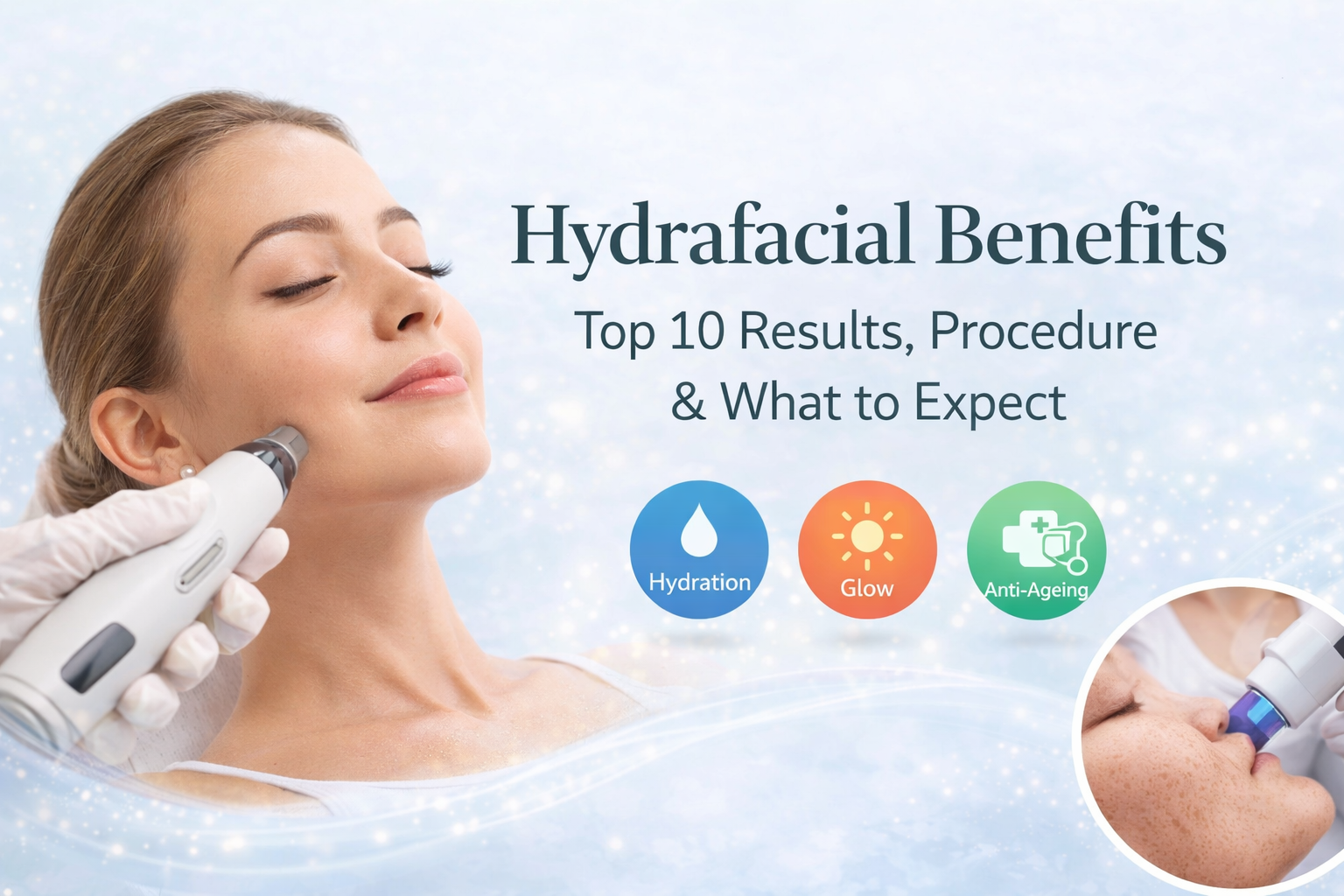
  • Hydrafacial Benefits: Top 10 Results, Procedure & What to Expect

    Hydrafacial Benefits: Top 10 Results, Procedure & What to Expect

    Hydrafacial benefits make it one of the most sought-after facial treatments for glowing, hydrated, and healthier skin.

    For anyone struggling with dull skin, uneven texture, or breakouts that simply refuse to settle, HydraFacial often appears as a promising solution. You hear friends recommend it. You see celebrities praise it. However, beyond the hype lies something more meaningful — a gentle yet effective treatment that delivers visible results without downtime.

    Unlike traditional facials that focus only on relaxation, HydraFacial is a medical-grade skin treatment designed to cleanse, correct, and nourish in one session. Whether your concern is dryness, fine lines, acne, or loss of radiance, this treatment adapts to your skin’s needs. In this guide, we’ll explore the real Hydrafacial benefits, how it works, and what you can expect from the procedure.

    What Is a HydraFacial Treatment?

    A HydraFacial is a non-invasive, multi-step skin procedure that uses patented technology to cleanse, exfoliate, extract impurities, and infuse hydrating serums — all within a single session.

    Unlike harsh chemical peels or abrasive microdermabrasion, it works deeply yet gently. As a result, the skin feels refreshed without irritation. Also known as hydradermabrasion, the treatment combines exfoliation with intense hydration, making it suitable for almost every skin type.

    One of the biggest Hydrafacial benefits is the immediate glow. Skin appears brighter, cleaner, and smoother right after the session.

    At Leor Clinics, every HydraFacial is customised to your skin’s condition to maximise long-term results.

    Technology Behind HydraFacial: How It Works

    HydraFacial does not rely on intensity — instead, it relies on sequence.

    The system uses patented Vortex-Fusion technology, which combines exfoliation, suction extraction, and serum infusion in one streamlined process. Because each step prepares the skin for the next, the treatment feels controlled and purposeful rather than aggressive.

    Here’s how it works:

    • Cleansing removes surface debris and oil using a serum-infused tip instead of manual scrubbing.
    • Exfoliation uses a mild glycolic and salicylic blend to loosen dead skin cells.
    • Extraction gently vacuums out blackheads and congestion without manual squeezing.
    • Infusion delivers antioxidants, peptides, and hyaluronic acid directly into freshly cleansed pores.

    As a result, skin doesn’t just look better — it functions better. Hydration improves, inflammation reduces, and product absorption increases significantly.

    Top 10 Hydrafacial Benefits for Different Skin Concerns

    Hydrafacial benefits go beyond surface glow. Instead, they address deeper concerns such as congestion, dehydration, and early ageing.

    1. Deep Cleansing Beyond Regular Face Wash

    HydraFacial removes buildup that daily cleansing simply cannot reach. Consequently, pores appear clearer and skin feels lighter.

    2. Intense Hydration

    Unlike moisturisers that sit on the surface, this treatment infuses hydration after exfoliation — when skin is most receptive. Therefore, moisture retention improves noticeably.

    3. Improved Skin Texture

    Without causing irritation, the treatment smooths rough patches and refines texture gradually.

    4. Enhanced Radiance

    By removing dead cells and replenishing antioxidants, HydraFacial brightens dull skin without triggering redness.

    5. Oil Regulation

    Instead of stripping skin dry, it balances oil production. As a result, breakouts reduce over time.

    6. Supports Collagen Health

    With consistent sessions, collagen-supporting ingredients help soften fine lines naturally.

    7. Reduces Mild Pigmentation

    Brightening serums gradually fade uneven tone and minor sunspots.

    8. Suitable for Sensitive Skin

    Because it avoids harsh heat or friction, it works well even on reactive skin types.

    9. Enhances Effectiveness of Other Treatments

    Clean pores and hydrated skin improve how other procedures — like microneedling or lasers — perform.

    10. Immediate Glow with Long-Term Impact

    Perhaps the most noticeable Hydrafacial benefit is instant softness. However, with consistency, this glow evolves into sustained clarity.

    The HydraFacial Experience: What to Expect

    The procedure is structured yet comfortable.

    Before the Session

    No elaborate preparation is required. The clinician first analyses your skin and selects suitable serums.

    During the Session

    You’ll feel gentle suction combined with cool fluid pressure. Importantly, there is no sharp sensation, heat, or discomfort.

    Immediately After

    Skin appears hydrated and smooth. In most cases, there is no visible redness.

    The Next Day

    Makeup applies better, texture feels softer, and hydration remains noticeable.

    How Often Should You Get a HydraFacial?

    While one session offers visible Hydrafacial benefits, consistency enhances results.

    • For maintenance → Every 4–6 weeks
    • For acne or pigmentation → A series of 3–6 sessions
    • For event preparation → 5–7 days before

    Ultimately, monthly treatments help sustain clarity and hydration.

    Are There Any Side Effects?

    HydraFacial is known for minimal downtime.

    You may experience:

    • Slight pinkness for 30–60 minutes
    • Mild tightness if the skin was very dry
    • Temporary sun sensitivity

    However, no peeling or recovery period is required.

    HydraFacial for Different Skin Types

    One of the major Hydrafacial benefits is adaptability.

    Because serums, suction intensity, and flow are adjustable, the treatment suits:

    • Oily skin
    • Dry skin
    • Sensitive skin
    • Acne-prone skin
    • Ageing skin

    In contrast to generic facials, this procedure customises itself in real time.

    How Long Do HydraFacial Results Last?

    Typically, results last 5–7 days after one session. However, with monthly treatments, improvements in hydration and texture become more consistent and long-lasting.

    Why Hydrafacial Benefits Make It Different from Regular Facials

    Unlike traditional facials that focus on massage and temporary brightness, HydraFacial combines exfoliation, extraction, and infusion in one clinical system.

    Therefore:

    • It delivers measurable skin improvement
    • It avoids irritation
    • It provides both instant and cumulative results

    Debunking Common Myths About Hydrafacial Benefits

    Myth: It’s just a fancy cleanse.
    Reality: It’s a medical-grade exfoliation + infusion system.

    Myth: It causes peeling.
    Reality: There is no aggressive peeling involved.

    Myth: It’s only for acne.
    Reality: It benefits hydration, pigmentation, texture, and ageing concerns too.

    FAQs About Hydrafacial Benefits

    What are the benefits of HydraFacial?

    Hydrafacial benefits include deep cleansing, hydration, reduced congestion, improved texture, and enhanced glow.

    How long do HydraFacial results last?

    Results last around one week after a single session. With regular treatments, improvements last longer.

    Can HydraFacial remove tan?

    While not a tan removal procedure, it helps brighten surface dullness and improve even tone.

    Which facial is best for glow?

    For visible glow without irritation, HydraFacial remains one of the most effective choices.
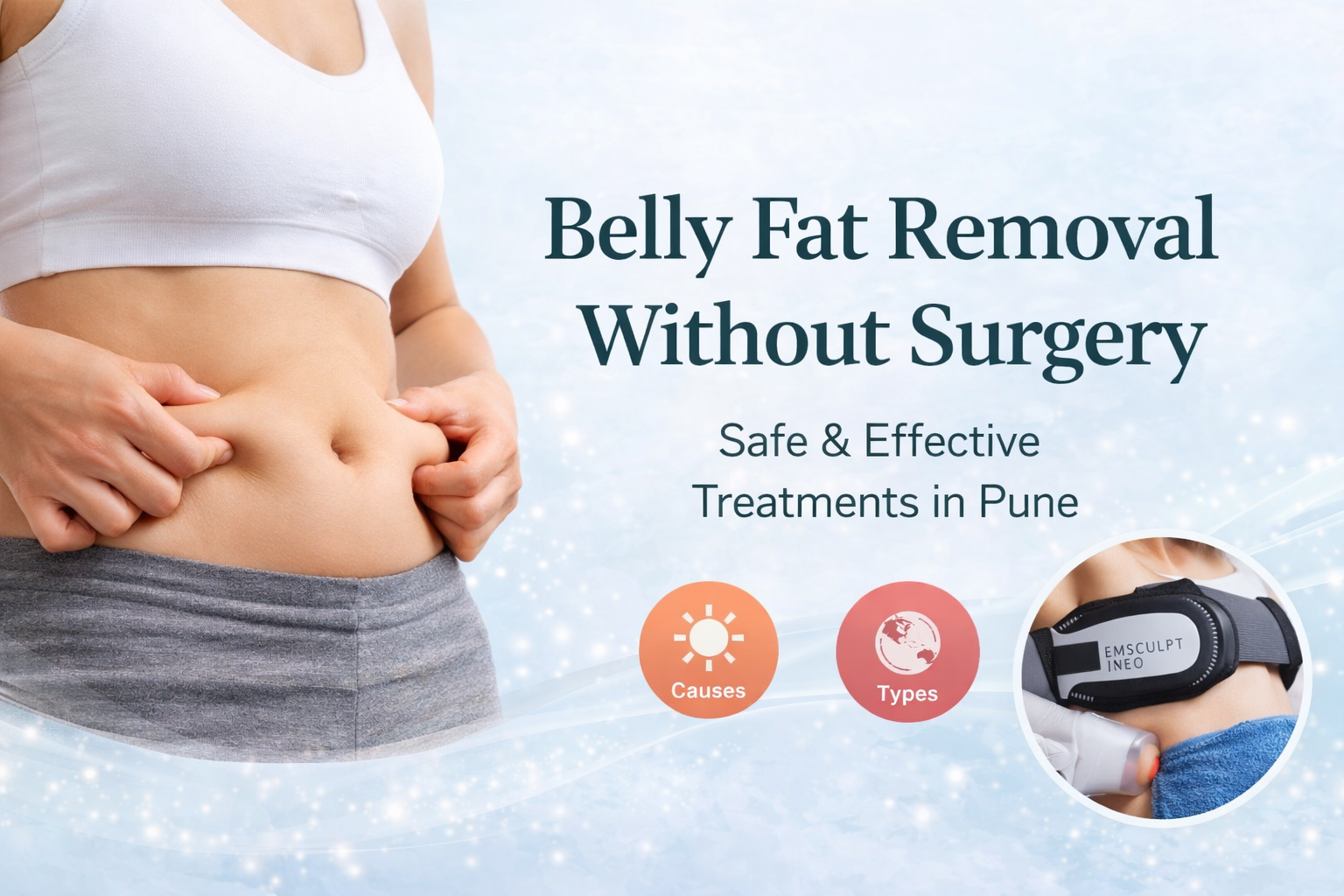
  • Belly Fat Removal Without Surgery

    Belly Fat Removal Without Surgery

    There are many things in life that will test your patience, but nothing compares to removing that belly fat.

    In their endeavours of burning off this seemingly impossible fat portion, people try jogging, planking, cutting carbs. And yet, that little bulge refuses to move. 

    You’re not the only one stuck with it. But don’t worry since now there are safer and easier ways to deal with it and no it is not surgery. 

    Read this blog to gain a detailed understanding around Belly Fat removal without surgery, including the benefits, available treatment options at Leor Clinics, and more.

    Why Belly Fat Refuses to Budge

    Workout routines will trim many bulgy areas on your body, but sometimes they barely make a difference to the waistline. Dieting might move the number on the scale, yet the belly holds on, as if it didn’t get the memo. That’s because the abdomen is the body’s preferred storage zone, and the usual fixes  like extra cardio and skipping meals, don’t always reach it.

    And belly fat isn’t just about how clothes fit. It often comes with low energy, constant bloating, and that nagging feeling of being “out of shape” even when you’re trying hard. Over time, it also raises real health concerns, from metabolism issues to higher risk of diabetes and heart strain. Let’s explore why the belly refuses to burn off.

    • Genetics → Some bodies naturally store fat around the belly. Evolution thought it was clever; skinny jeans disagree.
    • Lifestyle → Desk jobs, late-night screens, stress snacking… they all team up against your waistline.
    • Hormones & Age → Slower metabolism + higher cortisol = belly fat that clings like a guest who won’t leave the party.

    Subcutaneous vs. Visceral Fat

    When it comes to the best way to lose belly fat, there are actually two very different kinds at play. The one you can pinch in the mirror mostly decides how snug your jeans feel, while the deeper, hidden layer is the kind doctors worry about, the fat that quietly interferes with health over time.

    • Subcutaneous fat → This is the soft, squishy layer just under the skin. It folds over your waistband or refuses to sit flat no matter how many planks you do. It’s frustrating, yes, but mostly about appearance.
    • Visceral fat →  This one hides deeper inside the abdomen, wrapping itself around organs. You won’t always notice it in the mirror, but it quietly adds risks to your daily lifestyle, such as sluggish energy, stubborn bloating, even conditions like diabetes or heart disease down the line. 

    What Is Non-Surgical Belly Fat Removal?

    Unlike liposuction, non-surgical abdominal fat removal doesn’t involve cuts or suction. Instead, it relies on advanced devices that use different types of energy  like controlled cooling, heat, ultrasound, or even electromagnetic waves. These energies work beneath the skin to damage stubborn fat cells. Over the next few weeks, your body naturally processes and clears them out, leaving the area slimmer and more toned.

    Why People Choose It

    For many, the decision isn’t driven by vanity but by persistence meeting frustration. Imagine months of gym memberships, carefully measured meals, and politely declining cake at gatherings, only to see little change around the midsection. The belly becomes more than just an area of fat, it feels like a symbol of effort that never shows up in the mirror.

    The Appeal of Non-Surgical Belly Fat Removal

    Non-surgical treatments back a sense of control without asking you to put life on hold. No downtime means you can get treated and still show up at work or dinner the same day. Knowing the technology is FDA-cleared takes away the fear of “what if,” replacing it with reassurance that it’s safe and proven.

    Subtle, Natural-Looking Results

    Most importantly, it targets the places your diet plan to lose belly fat and workouts simply won’t touch. And because results appear gradually, you don’t end up with an obvious “procedure look.” Instead, friends and family will just point out how you look leaner, and more confident, while only you know what helped you get there.

    Non-Surgical Treatments for Belly Fat Removal at Leor Clinics, Pune

    There are various options available for belly fat removal without surgery in Pune. These treatments are carried out using globally trusted, FDA-approved devices that are designed to deliver visible, lasting results.

    1. Emsculpt Neo – Burn Fat + Build Muscle

    Belly fat isn’t always just about the fat. Sometimes it’s about weak or undefined muscles beneath it. Emsculpt Neo Laser surgery is designed to address both. It uses radiofrequency energy to heat and reduce fat cells, while high-intensity electromagnetic pulses trigger thousands of muscle contractions in one short session.

    On average, people notice up to 30% fat reduction and a 25% increase in muscle tone in treated areas. For those who want a firmer, well defined core and not just a smaller waist, it’s one of the most effective non-surgical options available.

    2. Exilis Ultra 360 – Slim & Tighten

    For people dealing with not only stubborn belly fat but also skin that feels looser after pregnancy or weight loss, Exilis Ultra 360 can be a good fit. It combines ultrasound and radiofrequency energy to shrink fat cells while also stimulating collagen production in the skin.

    The result isn’t just a slimmer stomach, but one that feels smoother and firmer. This dual benefit makes it a common choice for women post-pregnancy or anyone who feels their progress with weight loss is overshadowed by sagging skin.

    3. CoolSculpting Is It Safe?

    When good exercises to lose belly fat and even the diet leave behind those pinchable belly rolls, the kind that sit on your lower stomach or love handle, CoolSculpting Non surgical fat removal can do wonders. It works by gently freezing fat cells in the targeted area. Over the following weeks, the body naturally processes and eliminates those frozen cells.

    Since the results for abdominal fat removal develop gradually, there’s no sudden, “obvious” change. It simply looks like you’ve been slimming down steadily on your own, which is why many people prefer it. No needles, no surgery, no recovery time; just a quieter, more natural way to reduce fat in trouble spots.

    Benefits of Non-Surgical Belly Fat Removal

    For most people, belly fat isn’t just about how clothes fit, it chips away at confidence, makes progress at the gym feel invisible, and often brings that quiet frustration of “why me?” Non-surgical treatments offer a way out of that loop. They don’t promise overnight transformations, but they do give you practical, visible changes without forcing you to put life on pause.

    Here’s what that looks like in real terms:

    • Back to routine the same day – No over-extended stays, no long recovery windows. You can have a session and head straight back to work or errands.
    • No marks or stitches to hide – Since it’s non-invasive, there’s no scarring, only gradual results that appear without comprising your natural look.
    • Safe, medically backed technology – The devices used are FDA-approved, trusted worldwide, and performed under professional supervision.
    • Shaping the tough spots – Those areas that stay stubborn even after workouts (like the lower belly or love handles) finally respond.
    • Plans designed around you – These treatments can be hyper personalised as per a person’s response to the techniques used and the areas they solely want to operate on. In this way you only pay for what you need.

    Who’s the Right Candidate For Belly Fat Removal?

    • Who It Really Helps

    These treatments work best for people who are already taking care of themselves but can’t seem to shake off that last patch of visceral fat. The small bulge that clings on after gym sessions, the side pocket that shows up in fitted clothes — it’s the kind of fat that doesn’t respond to discipline alone. Non-surgical options aren’t about dropping big numbers on the scale; they’re about sharpening what’s already there and giving shape where effort stops paying off.

    It makes sense for someone who wants progress without pressing pause on life. No recovery days, no bandages, no explanations — you can walk out of a session and get on with your day as usual

    • When to Hold Off

    There are times when waiting is wiser. Pregnancy and breastfeeding, for instance, are phases where your body has its own priorities. The same goes if you’re dealing with health conditions that aren’t stable yet. And while the technology can slim and define, it won’t build a six-pack overnight — consistency outside the clinic still counts.

    • What to Expect Along the Way

    Most people go through four to six sessions, spread out so the body has time to flush away the treated fat cells. Results don’t show up instantly; they build quietly. First, clothes start sitting differently, then the mirror confirms what you’ve been feeling. By the second or third month, the change is obvious enough for others to notice too.

    Recovery isn’t really a talking point here. At most, there may be slight redness or soreness that fades in hours. It’s why many people book a session of abdominal fat removal and head back to work the same day.

    And once the fat cells are gone, they’re gone. Lifestyle still matters, of course, but those stubborn bulges won’t stage a comeback in the same way again.

    Cost of Belly Fat Removal in Pune

    The cost really depends on the device, the size of the area, and how many sessions your body may need. Instead of a one-price-fits-all, it’s more like tailoring — you only pay for what your goals require.

    Here’s a simple breakdown of treatment costs for belly removal without surgery (may vary as per sessions):

    TreatmentAreaCost (₹)*
    Emsculpt NeoTummy / Flanks40,000 – 45,000
    Emsculpt NeoButtocks / Thighs / Arms35,000 – 40,000
    Exilis Ultra 360Tummy / Arms / Thighs / Flanks10,000 – 15,000
    Exilis Ultra 360Under Eye3,000 – 5,000
    Exilis Ultra 360Face11,000 – 15,000
    Exilis Ultra 360Face + Neck12,000 – 15,000 
      *conditions apply

    At Leor Clinics, non surgical belly fat removal treatment plans are personalised after consultation -so you only pay for what aligns with your goals.

    Why Choose Leor Clinics For Belly Fat Removal?

    When it comes to belly fat, the wrong treatment can waste months and the right one can quietly change how you feel in your own skin. That’s why many in Pune turn to Leor Clinics for stomach fat removal in Koregaon Park.

    • Every session is handled by specialists who’ve seen it all, from post-pregnancy bellies to stubborn bulges that you hate at the gym. They know what works, and how to do it right.
    • Only FDA-approved, globally proven devices are used here. You won’t be exposed to any risks and will be provided with a safe treatment that produces measurable results.
    • Treatments are customised, quick, and discreet. You don’t put life on pause; you just get to enjoy it with a little more confidence.

    Conclusion: A Smarter Way to Slim

    When belly fat refuses to leave, the wrong fixes can eat up months, however the right approach on the other hand, can quietly change how you look and how you carry yourself.

    That’s why so many people searching for non-surgical belly fat removal in Pune end up at Leor Clinics, Koregaon Park. The team here understands that a stubborn paunch isn’t just about kilos. It’s about confidence, comfort, and the ability to feel good in your own skin.

    You can book an appointment with Leor Clinics to learn more about our celebrated set of new advanced treatments that can carry out belly fat removal without surgery.

    FAQs

    1. Can you really lose belly fat without surgery?

    Yes, belly fat can be reduced non-surgically through treatments like CoolSculpting, radiofrequency, or Emsculpt Neo, combined with the best diet to lose belly fat, exercise, and lifestyle changes for lasting results.

    2.What is the best non-surgical fat removal from the stomach?

    CoolSculpting and Emsculpt Neo are considered top non surgical belly fat removal methods. They use cooling or electromagnetic energy to target fat cells, offering safe, effective, and noticeable results without downtime.

    3. How to remove belly fat permanently?

    The permanent and fastest way to lose belly fat requires lifestyle changes: balanced nutrition, regular exercise, hydration, stress management, and sleep. Non-surgical treatments can help, but results last only with consistent healthy living.

    4. What is the best procedure to remove belly fat?

    The best procedure depends on your goals. Non-surgical belly fat removal options include CoolSculpting, Emsculpt Neo, and laser lipolysis, while surgical stomach fat removal options including liposuction are most effective for significant, immediate fat reduction. Consultation is essential.

    5. Can non-surgical belly fat removal also tighten loose skin?

    Yes, some non-surgical belly fat removal treatments like radiofrequency and Emsculpt Neo can also stimulate collagen, improving skin tightness alongside fat reduction, offering a more sculpted and toned appearance.

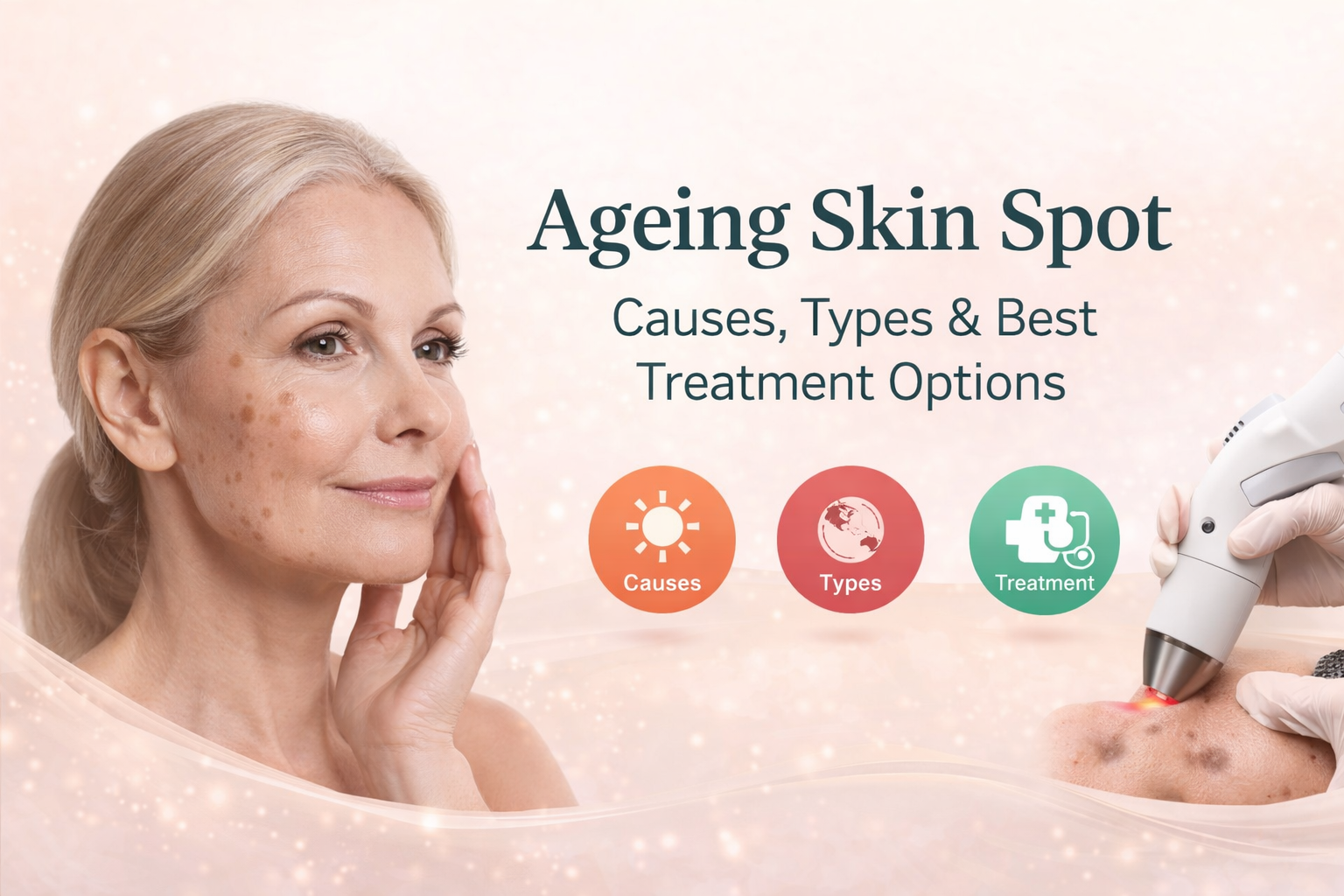
  • Ageing Skin Spots

    Ageing Skin Spots

    Skin naturally changes over time, shaped by sun exposure, seasonal shifts, stress, and the gradual process of ageing. While medically harmless, they can still affect how the skin looks and feels.

    Dark spots on the face, for instance, often create an uneven skin tone, dullness, or a prematurely aged appearance. For many people, these changes impact how confident they feel in social or professional settings. However, encouraging reality is that pigmentation and age spots are highly treatable. With the right skincare routine and professional guidance, they can be lightened, managed, and in many cases, prevented altogether.

    Modern dermatology offers a wide range of solutions for ageing skin spots. They span from preventive care to advanced clinical therapies designed for long-lasting results. This guide will walk you through the causes, types, and treatment options available, so you can take informed steps toward healthier, clearer, and more youthful-looking skin.

    What Are Ageing Skin Spots?

    Ageing skin spots, often referred to as solar lentigines, are areas where the skin produces more pigment than usual. This excess melanin gathers in clusters, creating patches that stand out against the surrounding skin.

    They typically appear as:

    • Flat, oval-shaped marks that lie flush with the skin
    • Shades ranging from light brown to deep brown, sometimes black or grayish
    • Sizes varying from a tiny freckle to more than a centimeter
    • Clusters in sun-exposed areas like the face, chest, shoulders, and dark spots on hands

    While dark spots are a serious cosmetic issue, did you know they aren’t all the same? They can appear as sun spots, age spots, pimple scars, melasma, or even sun spots on face.

    It’s also important to distinguish them from other skin concerns. Ageing skin spots are generally harmless, staying flat and stable in appearance. They don’t usually cause discomfort or pain. However, if a spot changes rapidly, develops an irregular border, or becomes raised, it’s best to have it checked by a dermatologist to rule out anything more serious.

    Why Do Ageing Skin Spots Appear?

    Think of your skin as a diary – every hour you’ve spent under the sun, every summer holiday, every walk without sunscreen leaves behind a trace. Over time, those traces show up as ageing skin spots.

    The main culprit is long-term sun exposure. Ultraviolet (UV) rays penetrate deep into the skin, nudging pigment-producing cells (melanocytes) to release extra melanin. At first, this extra pigment may look like a tan. But as the years pass, the melanin begins to clump together in certain spots, leaving behind the darker patches we call old age spots.

    Sunlight, however, is only part of the story. Other factors can make these age spots on face more likely to appear or more prominent:

    • Natural Ageing – As skin matures, its repair cycle slows. Old pigment cells don’t shed as quickly, so uneven pigmentation lingers longer than it once did.
    • Genetics – If your parents or grandparents had pigmentation issues, chances are you may notice them too. Skin often runs in families.
    • Hormonal Shifts – Life stages like pregnancy or menopause can cause melanin levels to spike, sometimes leaving stubborn patches of pigmentation.
    • Post-Inflammatory Pigmentation – Acne scars, minor burns, or even scratches can heal with leftover dark marks, adding to the overall unevenness.
    • Lifestyle Habits – Smoking, high stress, late nights, and nutrient-poor diets don’t directly cause brown spots on face, but they weaken the skin’s natural defense system, making existing pigmentation appear more noticeable.

    Among all these, sun exposure plays the starring role. It’s why dermatologists often say, “the best anti-ageing cream is sunscreen.” A simple daily habit, like applying SPF before stepping outside, is one of the most powerful ways to slow down the appearance of these marks.

    Emotionally speaking, ageing skin spots can feel heavier than they look. Many people share that their skin appears “tired” or “older than they feel,” which affects confidence.

    Dark spots may not cause discomfort the way wrinkles or acne might, but they quietly change how one sees themselves in the mirror. Recognising this emotional impact is as important as treating the spots themselves – clear, even-toned skin often brings back a sense of ease and self-assurance.

    Types of Ageing Skin Spots

    Dark patches on the skin don’t always mean the same thing. Some are the result of years of sun exposure, others appear after acne or hormonal shifts, and a few may signal changes that require medical attention. Understanding what type you’re dealing with is the first step to choosing the safest and most effective way forward.

    • Sun Spots (Solar Lentigines): Flat, brown patches from years of UV exposure, permanent once they appear.
    • Liver Spots: Larger, darker patches linked to oxidative stress and ageing, often after 40.
    • Post-Inflammatory Hyperpigmentation (PIH): Lingering marks after acne, burns, or eczema, especially stubborn in darker skin.
    • Melasma: Symmetrical brown patches triggered by hormones; notoriously difficult to manage without strict sun care.
    • Seborrheic Keratoses: Raised, waxy growths often mistaken for age spots but unresponsive to creams.
    • Actinic Keratoses: Rough, scaly lesions that can progress into skin cancer if ignored.

    Advanced Treatments for Ageing Skin Spots at Leor Clinics

    Mild pigmentation can sometimes respond to drugstore brightening creams or DIY routines, but when spots deepen or multiply, surface fixes stop working. That’s the stage where clinical expertise gently bridges the gap between quick fixes and real change. At Leor Clinics, dermatologists design every age spots treatment that don’t just fade spots; they restore clarity and bring balance to your skin.

    1. Prescription Topicals – Building the Foundation

    For early or mild spots, medical-grade creams are often the first line of care.

    • Retinol:Accelerates cell renewal, gradually lifting pigmented cells.
    • Vitamin C: Shields against oxidative damage while reducing excess melanin.
    • Hydroquinone: One of the most effective lightening agents, but always monitored for safe use.

    These topicals prepare the skin and are often paired with in-clinic therapies for faster, sustained results.

    2. Chemical Peels – Shedding the Damage

    Chemical peels carefully shed the outer layer of skin that’s been dulled by sun exposure and ageing. As this layer lifts away, clearer and smoother skin appears underneath, while also allowing other supportive age spots treatment and serums to absorb more effectively, enhancing overall results.

    At Leor, the strength of the peel is customized:

    • Chemicals peels with Glycolic Acid target surface-level dullness.
    • TCA Peels penetrate deeper, tackling stubborn sun-induced spots.
    • Salicylic Acid Peels address pigmentation in oily or acne-prone skin.

    With minimal downtime, peels steadily brighten and smoothen the complexion.

    3. Laser Therapy – Precision at Its Best

    When pigmentation is resistant, laser treatments offer targeted correction. Leor Clinics uses US-FDA–approved lasers that break down melanin clusters without harming surrounding skin.

    • Works on face, hands, chest, and shoulders
    • Noticeable results often within 1–2 sessions
    • Long-lasting clarity with little to no recovery time

    If ageing sun spots have been holding you back, advanced laser treatment for dark spots can deliver visible improvements in just a few sessions, helping skin look brighter and more youthful.

    4. Microdermabrasion & Microneedling – Resurfacing and Renewal

    Sometimes ageing spots appear alongside rough texture or early fine lines. Here, resurfacing treatments offer dual benefits:

    Together, they not only fade spots but also strengthen the skin, leaving it fresher, firmer, and more youthful.

    Dark spots signal underlying changes in skin health. Addressing them with a precise age spots treatment prevents progression and revives natural skin clarity.

    Preventing New Age Spots

    Even the most effective treatment for dark spots on face can only do part of the job if new damage keeps happening. Prevention is what truly slows the cycle of pigmentation. The skin remembers every bit of sun, stress, and neglect and those memories show up as uneven tone and dark patches over time. By making small, steady adjustments in your routine, you can delay the appearance of new spots and protect the results of any professional treatments.

    • Daily Sunscreen Use: A broad-spectrum SPF 30+ is essential, not optional. Reapply every 3–4 hours if you’re outdoors.
    • Protective Clothing: Wide-brimmed hats, UV-filter sunglasses, and lightweight full-sleeve clothing reduce cumulative exposure.
    • Antioxidant-Rich Nutrition: Berries, green tea, spinach, and nuts neutralize free radicals that accelerate pigmentation.
    • Hydration & Sleep: Adequate water intake and quality rest support the skin’s natural repair processes.
    • Avoid Smoking & Excess Alcohol: Both impair circulation and trigger oxidative stress, worsening visible spots.
    • Gentle Skincare Choices: Your skin heals best when treated kindly. Gentle cleansers paired with moisture-rich creams strengthen the barrier, lock in hydration, and create the foundation for clearer, healthier-looking skin.

    While treatments can cure for dark spots on face, it’s the daily preventive steps that truly protect your skin for the future.

    Why Choose Leor Clinics?

    Though not harmful to health, dark spots that appear with age often influence how comfortable someone feels in their skin. For many, these marks are more than surface changes – they can feel like early signs of ageing, leaving the skin looking uneven or dull. Some people quietly try to mask them with makeup, while others avoid close-up photos or feel uneasy in natural light.

    It’s common to experiment with home remedies or store-bought creams for dark spots on the face. These may provide slight improvement, but when patches deepen, spread, or refuse to fade, the frustration grows. At that point, professional guidance – especially a dermatologist treatment for dark spots on the face – can make a real difference.

    At Leor Clinics, dermatologists identify the root cause of pigmentation, whether it’s sun spots on the face, old age spots, post-inflammatory marks, or deeper melasma, and design a personalised treatment plan. Once the root cause is clear, a personalised plan is created. Options include medical-grade creams, gentle chemical peels, new advanced treatments, or skin rejuvenation therapies, all aimed at safely fading spots and restoring a natural, healthy glow.

    For many, this thoughtful, personalised approach becomes the best treatment for sunspots on the face – not just clearing marks but also restoring the quiet confidence that comes from feeling good in your own skin.

    Contact us to book an appointment to treat your ageing spots today.

    FAQs on Ageing Skin Spots

    Q1. What are ageing skin spots?

    Ans: They are flat, pigmented marks – usually brown or black – that form when melanin collects in one area of the skin. They’re most common on the face, arms, and hands, where sun exposure has been greatest over the years.

    Q2. How can old age spots be treated?

    Ans: Lighter patches may fade with over-the-counter creams, but deeper or spreading pigmentation often needs medical care. Every dermatologist treatment for dark spots on face like chemical peels, targeted laser treatment, and prescription creams help clear the excess pigment more effectively.

    Q3. What does an ageing spot look like?

    Ans: Most appear as flat, oval-shaped marks that vary in shade from light brown to dark black. They tend to stand out against the natural skin tone and can give the skin a mottled or uneven look.

    Q4. Why am I suddenly getting more spots?

    Ans: What looks sudden is often the result of years of sun exposure or natural ageing that’s only now becoming visible. Hormonal changes, inflammation from acne or eczema, and oxidative stress can also accelerate the appearance of new dark patches.

    Q5. How long do treatments take to work?

    Ans: The timeline depends on the method. Brightening creams may need consistent use for a few weeks, while clinical treatments like peels or lasers can show visible results in just a handful of sessions.

    Q6. Is laser treatment safe for ageing skin?

    Ans: Yes. Modern lasers approved for pigmentation treatment are designed to be gentle yet precise, making them suitable even for mature or sensitive skin when performed by trained dermatologists.

  • What Is Mesotherapy?

    What Is Mesotherapy?

    When skin starts looking dull, when hair feels thinner than before, or when stubborn fat clings on no matter how hard you try, it’s not just about appearance-it quietly touches self-confidence too. Many people find themselves wishing for a solution that feels safe, gentle, and effective, without the fear or downtime of surgery.

    That’s where mesotherapy steps in as a gentle yet effective solution. With tiny microinjections, a blend of vitamins, minerals, and active nutrients is delivered into the skin’s middle layer, where true repair begins. By working at the source, it helps restore radiance, smooth fine lines, support healthier hair growth, and even target stubborn fat or cellulite.

    Read this blog to understand how this hair and skin rejuvenation treatment can not only influence visible changes but also help people feel at ease in their own skin again. 

    What Is Mesotherapy Treatment? How Does It Work?

    Mesotherapy works on a simple yet powerful idea: when the skin and scalp are nourished at the right depth, they naturally begin to repair and renew themselves. During the procedure, ultra-fine microinjections deliver a carefully prepared blend of nutrients-often including vitamins like A, C, and E, hyaluronic acid for hydration, amino acids, minerals such as zinc and copper, and sometimes soothing plant-based extracts-directly into the mesoderm, the middle layer of the skin.

    By reaching this layer(Mesoderm), mesotherapy stimulates cell regeneration, improves blood circulation, and restores moisture where it matters most. The result is healthier, more resilient skin and a scalp environment that supports stronger hair growth.

    Patients are often reassured to know the treatment is gentle. The needles used are so fine that most people describe the sensation as a light tapping or mild pinching rather than anything painful. Every session will feel like a fresh start on your skin – making your skin radiant and healthy and the scalp nourished.

    Key Mesotherapy Benefits & Its Uses

    Whether it’s the fine lines that make skin look older than it feels, the gradual thinning of hair, or stubborn pockets of fat that resist even after diet and exercise, injectable mesotherapy offers a tailored way forward.

    Here are some of the key mesotherapy benefits:

    • Skin rejuvenation – By deeply hydrating the skin and stimulating new cell activity, mesotherapy restores elasticity, softens fine lines, and revives a healthy glow that topical creams often can’t achieve.
    • Wrinkle reduction – Through improved collagen and elastin production, mesotherapy for face helps in addressing early signs of ageing, leaving skin firmer and more youthful in texture.
    • Hair loss (alopecia) treatment – By nourishing the scalp and revitalising hair follicles, mesotherapy for hair loss can slow down shedding, strengthen roots, and encourage visible regrowth-often giving back the sense of confidence that thinning hair quietly takes away.
    • Fat removal & body contouring – For areas like the chin, arms, thighs, or abdomen, mesotherapy targets fat cells directly, helping shape the body in a way that feels more balanced and natural.
    • Cellulite reduction – It improves circulation and skin texture, softening the dimpled appearance caused by uneven fat deposits.

    Mesotherapy for Skin

    Skin changes are often subtle at first-a few uneven patches after sun exposure, a dryness that no cream seems to fix, or fine lines that suddenly feel more noticeable in certain lights. Over time, these little signs begin to affect not just appearance but also the way a person feels about their reflection.

    Mesotherapy for face offers a gentle yet effective way to address these concerns at their source. Instead of only smoothing the surface, it replenishes the skin with nutrients where they are most needed, helping to revive elasticity, restore hydration, and gradually fade pigmentation. Each session is like giving the skin a reset-encouraging healthier renewal from within.

    What people often appreciate most is the natural outcome. There’s no sudden change that feels artificial; instead, the skin slowly regains its softness, brightness, and even tone. For someone who has been quietly worried about dullness or premature ageing, this gradual restoration can feel deeply reassuring-almost like being reintroduced to their own skin, but fresher and more confident.

    Mesotherapy for Hair

    Hair loss is rarely “just hair”-it often feels like losing a part of yourself. For some, it’s the shock of a widening parting; for others, the daily stress of strands piling up on the pillow or shower floor. These small signs weigh heavily on confidence.

    Mesotherapy for hair loss addresses the problem at its root. Through gentle microinjections, the scalp receives biotin, amino acids, zinc, copper, and circulation-boosting nutrients directly where follicles live. This targeted care strengthens existing hair, slows shedding, and can even awaken weakened or dormant follicles.

    The results come gradually but naturally-thicker strands, healthier density, and a scalp that feels stronger. Beyond visible regrowth, patients often describe it as regaining control and self-assurance, one strand at a time.

    Advanced Mesotherapy Procedures at Our Clinic

    At Leor Clinics, we understand that no two people have the same concerns. That’s why our dermatologists customise mesotherapy for skin rejuvenation to suit individual needs.  

    Mesotherapy for fat reduction and body contouring 

    This approach uses targeted enzyme and peptide formulations to gradually break down stubborn fat deposits, offering a non-surgical alternative for reshaping areas like the chin, thighs, or abdomen. For mesotherapy for skin rejuvenation hyaluronic acid combined with antioxidants works to restore hydration, improve elasticity, and enhance overall skin texture.

    Each session is carried out with advanced technology and strict safety protocols, ensuring that the process is not only effective but also comfortable and reassuring.

    The Procedure: What to Expect

    For many people, the decision to begin mesotherapy for skin rejuvenation comes with a mix of hope and hesitation. You’ve read about the benefits, maybe even seen before-and-after photos, but the thought of needles and the unknown can still feel unsettling. That’s completely natural-and knowing the step-by-step process can make the journey far more reassuring.

    • Consultation first – The dermatologist will take time to understand your concerns, review your medical history, and create a plan designed only for you.
    • During the session – Using ultra-fine needles, microinjections of active nutrients are placed into the targeted area. Most sessions last 20–40 minutes, depending on whether the focus is skin, hair, or body contouring.
    • Aftercare – A little redness or mild swelling may appear, but this usually fades within hours. Most people return to their daily routine the same day.

    To make results last, dermatologists often suggest pairing mesotherapy with simple habits: a gentle skincare or scalp routine, antioxidant-rich meals, staying hydrated, getting quality sleep, and managing stress. These everyday choices support what mesotherapy starts-helping the improvements look and feel more natural over time.

    Side Effects & Safety Considerations

    Mesotherapy is generally considered very safe when performed by qualified dermatologists. The treatment uses nutrient-rich solutions tailored to your skin and hair needs, minimizing risks while promoting natural healing.

    Minor, Temporary Side Effects

    Even though the procedure is safe, some people may experience mild, short-lived side effects immediately after treatment. These can include:

    • Redness at injection points – Slight flushing that typically fades within a few hours.
    • Mild swelling – Temporary puffiness around treated areas that subsides naturally.
    • Itching or tenderness – Brief discomfort that usually disappears quickly.

    These reactions are normal and generally resolve on their own without leaving marks or scars.

    Skin- and Scalp-Friendly Ingredients

    The actives used in mesotherapy are not foreign chemicals but nutrients that support natural skin and hair health. These include:

    • Vitamins A, C, and E– Promote collagen production and skin repair.
    • Biotin – Supports hair growth and strengthens strands.
    • Minerals like zinc and copper – Aid in tissue repair and metabolic processes.
    • Hyaluronic acid – Hydrates and nourishes the skin, improving elasticity.

    These ingredients are well tolerated by most patients and contribute to effective healing from within.

    At Leor Clinics, mesotherapy is designed around you. Our dermatologists first understand your skin, hair, and overall health, then prepare a nutrient mix that addresses your exact needs. This way, every session feels safe, personal, and effective.

    Mesotherapy vs. Other Treatments

    When comparing mesotherapy treatment to options like Botox, fillers, or chemical peels, the distinction becomes clear-it’s not just about treating a symptom but about improving the foundation of skin and hair health.

    • Botox temporarily relaxes facial muscles to smooth wrinkles, but it doesn’t enhance hydration, texture, or skin vitality.
    • Dermal fillers restore lost volume and contour, yet they don’t address hyperpigmentation, hair loss, or overall cell repair.
    • Chemical peels exfoliate the surface to reduce spots and roughness, but their effect stays limited to the outermost layer.

    Mesotherapy works differently. By delivering vitamins, minerals, amino acids, and hyaluronic acid directly into the mesoderm, it nourishes where true repair and regeneration begin. That’s why results of meso therapy treatment often feel more natural and longer-lasting-because the treatment strengthens what lies beneath, not just what’s visible on the surface.

    Results: How Long Do They Last?

    For many people, the first question after treatment is simple: “Will these results really last?”

    Mesotherapy treatment offers visible improvements sooner than most expect. Skin often feels fresher and more hydrated after the first few sessions, while hair responds with reduced shedding and healthier growth. With consistency, these changes become more defined-fine lines soften, skin tone evens out, and hair feels stronger at the roots.

    Unlike quick fixes, mesotherapy for face and hair works on the deeper layers of skin and scalp, so results are not just cosmetic but restorative. On average, benefits last several months, and maintenance sessions help extend the outcome even further.

    Who Is an Ideal Candidate for Mesotherapy?

    Mesotherapy is suitable for a wide range of people, but it may be especially beneficial for those who:

    • Struggle with dull, dehydrated, or ageing skin
    • Experience uneven pigmentation or dark spots
    • Face early signs of wrinkles or fine lines
    • Are dealing with hair thinning or alopecia
    • Wish to target stubborn fat deposits without surgery
    • Want to improve cellulite or body contour naturally

    It may not be recommended for pregnant women, people with certain medical conditions, or those allergic to any of the ingredients used. That’s why a consultation with a dermatologist is essential before beginning treatment.

    Conclusion

    Concerns like dull skin, thinning hair or stubborn fats aren’t simply cosmetic, they carry an emotional weight. It quietly affects how confident and comfortable you feel in your own skin.

    While creams and supplements offer small improvements, mesotherapy solutions work at a deeper level. It nourishes the cells that repair by providing vitamins, minerals and active ingredients directly into the skin or scalp.

    At Leor Clinics, Pune’s trusted skin clinic, our new advanced treatments are designed to address deeper concerns in a highly personalised way to help you achieve healthier skin and hair, and the confidence that comes with it.

    Book your consultation at Leor Clinics to experience provide the best hair treatment in pune, whose results will help you bring balance from within. 

    FAQs

    Q1. What is Mesotherapy?

    Ans: Mesotherapy is a cosmetic technique where micro-injections deliver vitamins, minerals, and active compounds directly into the skin or scalp, encouraging repair, hydration, and natural rejuvenation without major downtime.

    Q2. What is mesotherapy good for?

    Ans: It improves skin glow, smooths wrinkles, boosts scalp health, reduces hair thinning, addresses cellulite, and even tackles stubborn localized fat, making it a multi-purpose aesthetic and wellness solution.

    Q3. Is mesotherapy better than Botox?

    Ans: Neither is superior universally. Botox freezes facial muscles to soften wrinkles, while mesotherapy replenishes nutrients and hydration, improving skin and hair quality over time. Choice depends on personal goals.

    Q4. Does mesotherapy actually work?

    Ans: Yes, when done regularly. Patients often notice enhanced skin radiance, improved hair thickness, and firmer texture. Results appear gradually, offering a natural improvement rather than drastic overnight transformation.

    Q5. What are the disadvantages of mesotherapy?

    Ans: Common temporary effects include slight redness, swelling, or minor bruising. With proper expertise, risks remain minimal, and discomfort typically resolves quickly, making it a relatively safe procedure overall.

    Q6. How long do mesotherapy results last?

    Ans: Benefits usually sustain for three to six months. Incorporating good skincare, balanced diet, and scheduled maintenance sessions significantly extends longevity, ensuring skin and scalp retain improved condition longer.

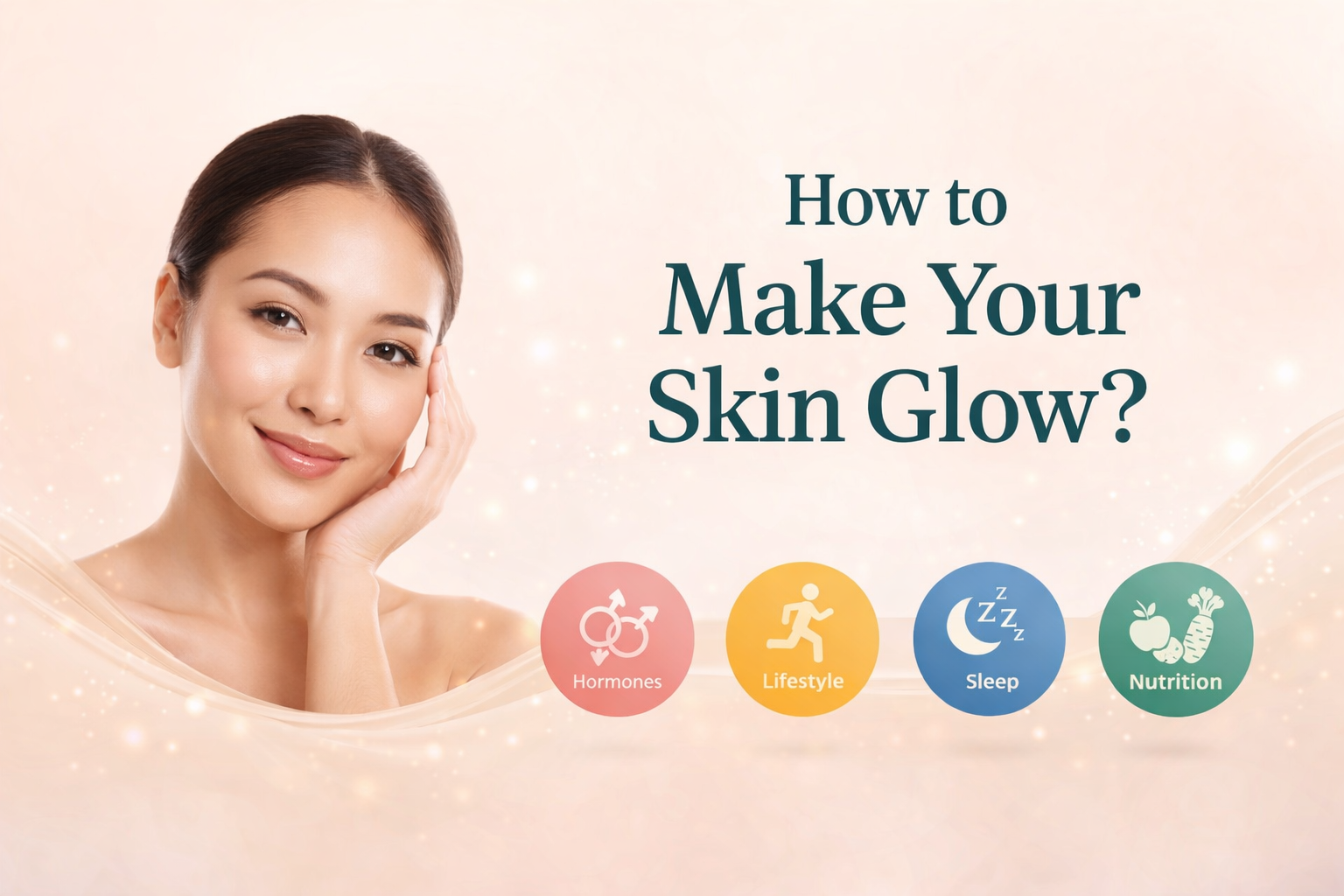
  • How to Make Your Skin Glow?

    How to Make Your Skin Glow?

    There’s a glow you can fake with makeup, and then there’s the kind that shines through bare skin — the one that makes you look fresh even with the “I just got out of bed like this” vibe.

    However, true radiance doesn’t come from shortcuts. Instead, it develops gradually through consistent care and mindful habits.

    In fact, natural glow is built over time with the right skincare routine, nourishing foods, balanced lifestyle choices, and, when needed, professional treatments. It’s built over time, through consistent care, nourishing foods, smart lifestyle choices, and sometimes, professional treatments.

    If you want to learn how to make your skin glow naturally, then this blog will guide you step by step.

    In addition, it covers essential daily routines, natural remedies, practical diet tips, and expert treatment options that deserve further exploration.

    What Does “Glowing Skin” Really Mean?

    When someone says your skin is glowing, they’re usually noticing a few key things. In most cases, it reflects healthy habits and balanced care beneath the surface.

    • An even skin tone without patchiness.
    • A smooth surface that reflects light.
    • Hydrated, supple texture.

    However, the fact is, true glow isn’t about shine or oiliness. That liveliness people see on your face and comment ‘you look alive’ on, it comes from your body getting the nourishment it requires to look like that. 

    Daily Skincare Habits for Glowing Skin

    Many people believe that achieving glowing skin requires an extensive collection of beauty products.

    However, surprisingly, some individuals know how to make their skin glow with minimal intervention.

    So, how is that possible? And is achieving clear, glowing skin really that simple?

    In reality, the answer lies in consistently following a few fundamental skincare routines for glowing skin and maintaining them over time.

    Instead of chasing the latest trends or quick fixes, steady and mindful care delivers lasting radiance.

    Morning Routine (Protection)

    • Wash your face with a gentle cleanser to remove oil and buildup from the night.
    • Apply a brightening or hydrating Vitamin C  serum for dullness, Niacinamide for uneven tone, or Hyaluronic Acid for dryness.
    • Lock in moisture with a lightweight cream suited to your skin type.
    • Finish with SPF 30+ sunscreen every single day. This shields against tanning, pigmentation, and early ageing.

    Night Routine (Repair)

    • Remove makeup and sunscreen with a double cleanse so pores stay clear.
    • Replenish with a nourishing moisturiser to support overnight recovery.
    • Use retinol 2–3 nights a week to smooth fine lines and even out skin texture.

    Weekly Add-Ons

    • Exfoliate gently once or twice a week with AHA, BHA, or enzyme formulas to clear dead skin and boost radiance.
    • Apply a hydrating mask whenever skin feels tired, dry, or dull for an instant refresh.

    Natural Ingredients That Support Radiance

    When it comes to glowing skin, natural remedies often feel the most trustworthy — many of us grew up watching our families use simple kitchen staples as beauty rituals. Today, these ingredients still work, but only when used wisely and consistently.

    • Honey – A natural humectant, honey deeply hydrates and softens. Mix with aloe vera for a quick soothing face mask when skin feels dry or tired.
    • Turmeric – Celebrated in Ayurveda for its brightening and calming properties. Blended with yoghurt, it evens skin tone gently without staining.
    • Aloe Vera – Instantly cools, calms, and reduces redness. Combine with cucumber for a refreshing post-sun pack.
    • Papaya Enzymes – Gently exfoliate dull skin. Pair with honey for a nourishing glow mask that polishes without stripping natural oils.
    • Yoghurt – Rich in natural lactic acid, it smooths texture and supports a strong skin barrier. Add oats for a mild DIY scrub.
    • Neem – A time-tested solution for blemish-prone skin. Balance with rose water for a purifying yet gentle treatment.
    • Coconut Oil – Ideal for dry patches or chapped lips. Blend with honey for a simple, overnight lip hydrator.

    ⚠️ Skip raw lemon juice. Though often recommended in DIYs, its acidity can irritate the skin. A Vitamin C serum is a safer, more effective glow booster.

    DIY Glow Remedies at Home

    Homemade remedies can’t replace professional care, but they do help maintain your skin’s natural glow when used wisely.

    The following natural remedies will aid in cleansing, exfoliating and hydrating your face, ultimately resulting in the desired glow on your face:

    1. Turmeric & Honey Mask – For Brightness and Even Tone

    • How it helps: Turmeric contains curcumin, which reduces dullness and supports a more even skin tone. Honey attracts and holds moisture, leaving skin soft and calm.
    • Best time to use: Once a week, especially if your skin looks tired or patchy.
    • Watch out: Avoid if you’re allergic to pollen or have acne-prone skin (turmeric can clog pores if not rinsed properly).
    • Pro tip: Mix turmeric with honey or yogurt instead of water to reduce staining.

    2. Aloe & Cucumber Cooler – For Soothing and Hydration

    • How it helps: Aloe vera naturally cools, hydrates, and calms redness, while cucumber’s high water content instantly refreshes overheated skin.
    • Best time to use: After sun exposure or when your skin feels warm and stressed
    • Watch out: Patch-test aloe first if you have sensitive skin.
    • Pro tip: Keep the mix chilled before applying for an extra soothing effect.

    3. Yogurt & Oat Scrub – For Gentle Exfoliation

    • How it helps: Yoghurt has lactic acid, which lightly removes dead cells, and oats contain natural compounds that soothe and soften skin.
    • Best time to use: Once a week if your skin feels rough or dull.
    • Watch out: Skip if you have active acne, rosacea, or inflamed skin — scrubbing can worsen irritation.
    • Pro tip: Apply like a mask for 5–10 minutes before rinsing instead of rubbing hard.

    4. Coconut & Honey Lip Balm – For Overnight Repair

    • How it helps: Coconut oil restores moisture with its natural fatty acids, while honey repairs cracked skin and prevents dryness.
    • Best time to use: At night, before bed.
    • Watch out: If you’re acne-prone around the lips or chin, use sparingly — coconut oil may clog pores.
    • Pro tip: Apply a thin layer; wipe off any excess in the morning to keep lips soft without buildup.

    ⚠️ Reminder: DIY remedies work best for short-term radiance and maintenance. If pigmentation, scars, or stubborn dullness don’t improve, it’s a sign your skin needs professional treatments for deeper results.

    Diet and Hydration for Achieving Glowing Skin

    We often blame skincare products when our face looks tired, but what you eat shows up on your skin faster than you realise. A week of greasy takeout, skipped meals, or crash diets can leave your complexion looking flat and lifeless. That’s because glowing skin isn’t powered by creams alone — it’s built from the vitamins, proteins, and healthy fats you put on your plate every day.

    You’ll hear the term “skin superfoods” everywhere (usually referring to nutrient-dense items like berries, nuts, or leafy greens). But the truth is, no single food can transform your skin. What really works is balance: a colourful, varied plate that covers your basics: vitamin C for brightness, antioxidants for repair, protein for strength, and hydration to keep everything working smoothly. Over time, this consistency shows up in the mirror as skin that looks naturally refreshed.

    Here’s how:

    • Vitamin C heroes like amla, oranges, kiwi, and capsicum help your skin look fresh and awake by supporting collagen (the protein that keeps skin firm).
    • Healthy fats and Vitamin E from nuts, seeds, olive oil, or avocado keep your skin’s natural barrier strong, locking in hydration and fighting off dryness.
    • Antioxidants in berries, spinach, beetroot, and tomatoes act like a shield against pollution and stress that otherwise steal your glow.
    • Proteins from dal, paneer, tofu, eggs, or lean meats repair daily skin damage — the quiet work that makes your skin stronger over time.
    • Hydration is the simplest glow-boosting habit. Water, coconut water, or even a jug of lemon-mint water can keep your skin plump and dewy.

    Glow-Boosting Habits

    Your skin is always keeping score of your daily choices. A late night shows up as puffiness, skipped meals dull your tone, and too much screen time can deepen stress lines.

    Products help, but it’s the rhythm of how you sleep, eat, and recover that decides whether your skin repairs itself or wears down.

    Here’s how everyday habits shape your skin:

    • Sleep — your skin’s built-in repair time

    When you sleep, your body ramps up collagen production and increases blood flow to the skin. That’s why a good 7–8 hours leaves you looking fresh, while late nights show up as dullness, puffiness, and fine lines.

    • Exercise — circulation equals glow

    A brisk walk, yoga, or workout improves blood circulation, carrying oxygen and nutrients to skin cells. This natural boost makes your skin look brighter right after exercise and supports long-term renewal. It’s less about sweating out toxins (a myth) and more about fueling skin with what it needs.

    • Stress care — calm mind, calm skin

    Chronic stress raises cortisol levels, which can trigger breakouts, sensitivity, and faster ageing. Simple rituals like journaling, meditation, or even switching off your phone for an hour help your skin stay balanced. A calmer system reflects calmer skin.

    • Smoking & excess alcohol — glow killers

    Smoking limits oxygen supply to the skin, making it look sallow and aged before its time. Alcohol dehydrates and depletes essential vitamins, leaving skin tired and inflamed. Cutting down makes a visible difference within weeks.

    • Sun safety — the most effective anti-ageing step

    Daily SPF isn’t just for summer. UV exposure breaks down collagen and worsens pigmentation even on cloudy days. Pair sunscreen with simple habits like sitting in the shade or carrying a scarf; these small steps protect your glow long-term.

    • Hygiene — silent contributors to breakouts

    Pillowcases, makeup brushes, and even your phone screen collect oil and bacteria that can transfer to your skin. Washing or swapping them regularly helps prevent flare-ups and allows individuals to achieve that much-coveted clear, glowing skin.

    • Indoor hydration — for barrier health

    Air conditioning and heaters strip moisture from the air, leaving your skin dry and tight. A humidifier, or even a simple bowl of water near your AC, helps restore indoor moisture balance, protecting your skin barrier.

    Skincare Don’ts to Avoid Dullness

    Sometimes it’s not what you do, but what you unknowingly overdo that makes your skin lose its shine.

    Watch out:

    • Scrubbing too often – Strips away your skin’s natural barrier, leaving it sensitive instead of radiant. Limit exfoliation to once or twice a week.
    • Hot water face washes – Heat pulls out essential oils, causing dryness and dullness. Lukewarm water is kinder.
    • Mixing too many activities – Layering acids and retinol together can inflame the skin. Start slow and let each ingredient work.
    • Skipping moisturiser – Even oily skin needs hydration. A lightweight, oil-free formula keeps balance in check.
    • Fragrance-heavy skincare – Added perfumes may smell good, but often trigger irritation.
    • Using sunscreen only in summer – Sun damage happens year-round. SPF should be your daily habit.

    When to See a Dermatologist To Achieve Clear, Glowing Skin?

    Sometimes, home care isn’t enough. Issues like stubborn pigmentation, acne scars, or deep dullness need professional attention. At Leor Clinics in Pune, the following advanced facials and skin treatments for glowing skin are designed to target these concerns effectively:

    • Klarina Facial – If breakouts, clogged pores, or redness keep coming back, the Klarina Facial helps reset your skin. Its seven-step process deeply cleanses while soothing inflammation, leaving skin calmer, clearer, and better balanced over time.
    • Celebrity Glow Facial – When you need instant radiance (before a wedding, party, or shoot), the Celebrity Glow Facial laser-assisted facial works fast. Using carbon peeling technology, it lifts dull cells, smooths texture, and sparks collagen renewal for an even-toned glow that looks natural, not made-up.
    • Vita Glow Facial – Skin dullness often starts inside the body. This Vita Glow Facial infusion delivers antioxidants like glutathione, vitamin C, and B-complex directly into your system, helping combat fatigue, improve hydration, and restore luminosity from within.
    • XT Peel Facial – For stubborn pigmentation or rough texture, the XT Peel Facial is a targeted chemical exfoliation. By gently resurfacing dull layers, it reveals a brighter, smoother complexion.

    Conclusion

    Every day life takes a toll on your skin; long work hours, city pollution, stress, and late nights often leave it looking dull and uneven. Skipping sunscreen, crash diets, or relying only on makeup can make the problem worse.

    People with glowing skin usually follow consistent, simple habits. They eat balanced, nutrient-rich meals, stay hydrated, exercise regularly, get enough sleep, and protect their skin from sun damage. These basics create the foundation for healthy, radiant skin over time.

    If home remedies, skincare for glowing skin, and diet tweaks still leave you battling pigmentation, acne scars, or stubborn dullness, it may be time to seek expert care. At Leor Clinics, Pune’s trusted skin clinic, our new advanced treatments are designed to address deeper concerns in a highly personalised way and restore your natural radiance.

    FAQs

    Q1. What makes skin glow naturally?
    Ans: A natural and healthy skin glow comes from balanced skincare, hydration, and nutrition. When your skin is healthy inside and out, it reflects brightness, smoothness, and even tone.

    Q2. How can I make my skin glow overnight?
    Ans: You can’t transform skin overnight, but you can boost radiance: cleanse well, use a hydrating mask or vitamin C serum, and get quality sleep.

    Q3. Which foods are best for glowing skin?
    Ans: Vitamin-rich foods like oranges, amla, kiwi, spinach, nuts, and seeds boost collagen and fight dullness. A diet full of antioxidants helps skin glow naturally.

    Q4: Does drinking water really make your skin glow?
    Ans: Yes, water supports hydration and flushes toxins, which helps skin stay plump. But pair it with nutrient-rich foods and skincare for a visible glow.

    Q5: How often should I exfoliate for radiant skin?
    Ans: Exfoliate gently 1–2 times a week to remove dead skin cells. Over-exfoliation irritates, while moderation reveals healthy, luminous skin.

    Q6: What home remedies make skin glow instantly?
    Ans: Quick fixes include honey masks, aloe vera gel, or yoghurt scrubs that brighten temporarily. For a lasting glow, combine them with a consistent skincare routine.

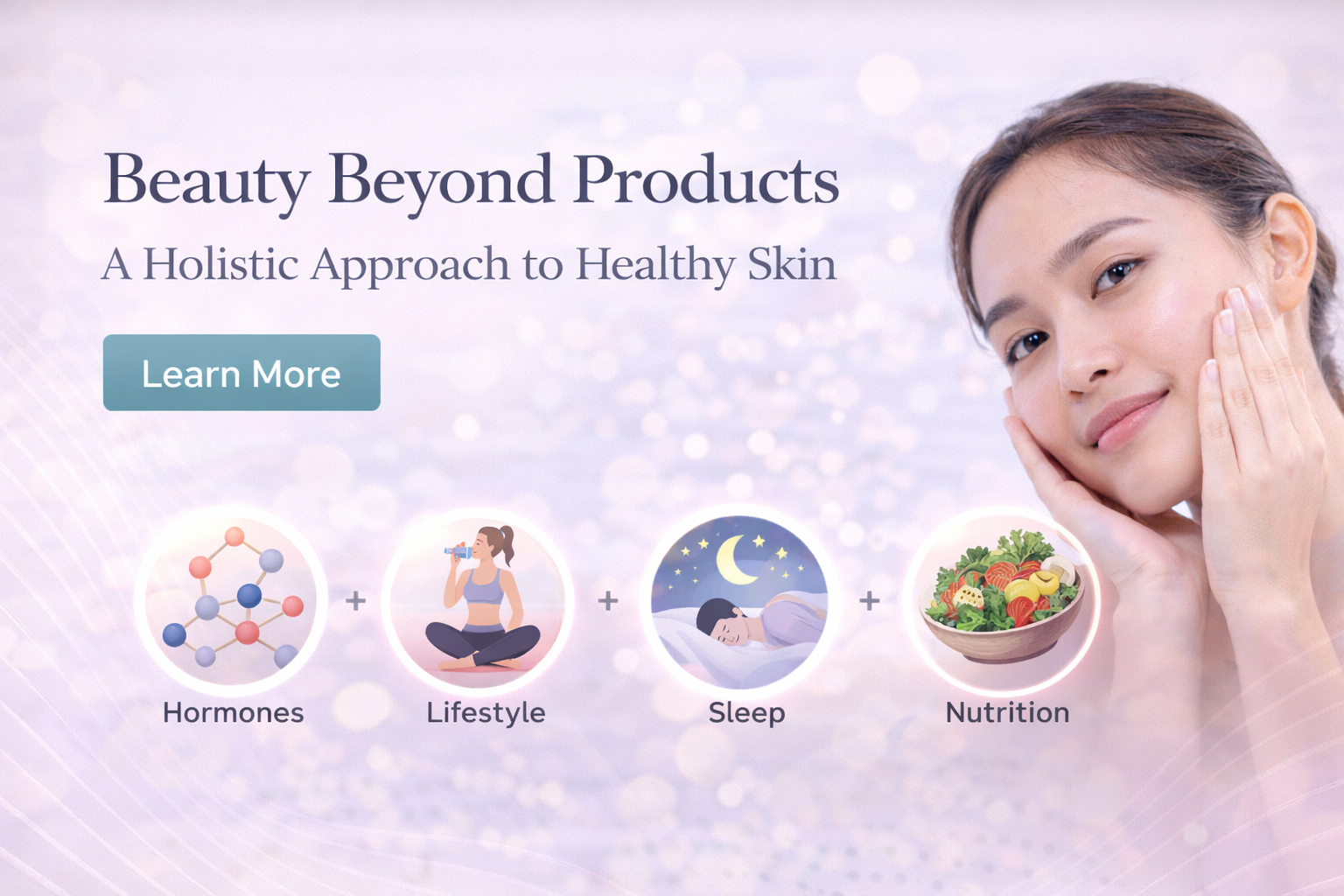
  • Beauty Beyond Products: Embracing a Comprehensive Skincare Philosophy

    Beauty Beyond Products: Embracing a Comprehensive Skincare Philosophy

    Are you constantly searching online for solutions to your skincare concerns? Do you worry whether popping a zit will leave a scar or if stubborn cystic acne will ever go away?

    While DIY remedies may offer temporary relief, they rarely address the root cause of your skin issues. Therefore, it’s important to look beyond products and understand what truly affects your skin.

    At Leor – Skin, Hair & Body Clinic, we believe skincare goes deeper than surface-level treatments. Let’s explore the underlying causes of common skin problems and discover effective, long-term solutions.

    Skincare Is More Than Just Products

    When striving for healthy and radiant skin, many people focus only on creams and serums. However, skincare involves much more than external applications.

    Several internal and external factors influence skin health, including:

    • Hormonal fluctuations
    • Genetic predisposition
    • Lifestyle habits
    • Environmental exposure
    • Bacterial activity

    Because of this, a comprehensive approach delivers better and longer-lasting results.

    Hormonal Influence on Acne

    Acne in Men

    One of the primary causes of acne in men is hormonal change. During puberty, androgen levels such as testosterone increase significantly. As a result, sebaceous (oil) glands enlarge and produce excess sebum.

    This excess oil clogs hair follicles and leads to acne lesions. Furthermore, hormonal fluctuations can continue into adulthood, especially when stress and poor dietary habits contribute to imbalance.

    Acne in Women

    Similarly, hormonal imbalance affects women. Conditions such as PCOS often trigger cystic acne.

    In many cases, healthcare professionals recommend dietary adjustments. For instance, reducing dairy and high-glycemic foods may lower acne sensitivity. Additionally, poor sleep patterns and elevated cortisol levels caused by stress can worsen breakouts.

    Therefore, managing hormones plays a crucial role in achieving clearer skin.

    The Bacterial Catalyst Behind Acne Inflammation

    Another major contributor to acne is bacteria.

    The bacterium Cutibacterium acnes naturally exists on the skin. However, when pores clog with oil and dead skin cells, this bacteria multiplies rapidly. Consequently, inflammation develops and results in pustules and cysts.

    Maintaining a balanced skin microbiome helps prevent bacterial overgrowth. In turn, this reduces inflammation and supports healthier skin.

    The Importance of Sleep for Skin Health

    Sleep is one of the most overlooked skincare tools.

    During sleep, your body enters repair mode. At this stage, it produces collagen, a protein responsible for maintaining firmness and elasticity.

    On the other hand, lack of sleep leads to:

    • Dull complexion
    • Dark circles
    • Increased fine lines
    • Slower skin repair

    Therefore, prioritizing quality sleep directly improves skin health.

    Lifestyle Changes for Glowing Skin

    Healthy skin reflects healthy habits.

    Balanced Diet

    First, a nutrient-rich diet supports skin from within. Fruits, vegetables, and healthy fats provide antioxidants and essential nutrients. These nutrients protect the skin and improve cell turnover.

    Hydration

    Additionally, drinking enough water maintains skin hydration and elasticity. Well-hydrated skin appears fuller and more radiant.

    Regular Exercise

    Moreover, regular exercise boosts blood circulation. Increased blood flow delivers oxygen and nutrients to skin cells. As a result, skin appears brighter and healthier.

    Together, these lifestyle changes significantly improve overall skin quality.

    Managing Insulin Resistance for Better Skin and Hair

    Insulin resistance affects more than metabolism. In fact, it directly impacts skin and hair health.

    For example, insulin resistance can lead to:

    • Acanthosis nigricans (dark patches on skin)
    • Skin tags
    • Acne flare-ups
    • Increased psoriasis risk

    In women, elevated androgen levels caused by insulin resistance may result in:

    • Hirsutism (excess facial hair)
    • Female pattern hair loss

    However, managing insulin resistance through proper diet and consistent exercise can reduce these concerns. Consequently, overall skin and hair health improves.

    A Simple and Effective Skincare Routine

    Although internal health is essential, external care still matters.

    A simple skincare routine should include:

    Morning Routine

    • Gentle cleansing
    • Moisturizing
    • Sunscreen application

    Evening Routine

    • Cleansing
    • Moisturizing

    Additionally, choose products suitable for your skin type. Avoid layering too many products, as overuse may cause irritation.

    Most importantly, opt for non-comedogenic products to prevent clogged pores.

    True Beauty Goes Beyond Products

    Ultimately, achieving healthy skin requires more than applying skincare products.

    By:

    • Getting adequate sleep
    • Managing stress
    • Maintaining a balanced diet
    • Exercising regularly
    • Supporting hormonal health

    You create the foundation for long-term skin wellness.

    At Leor – Skin, Hair & Body Clinic, we take a holistic approach to skincare. Our experts guide you through every step of your journey so you can achieve radiant, confident skin from the inside out.

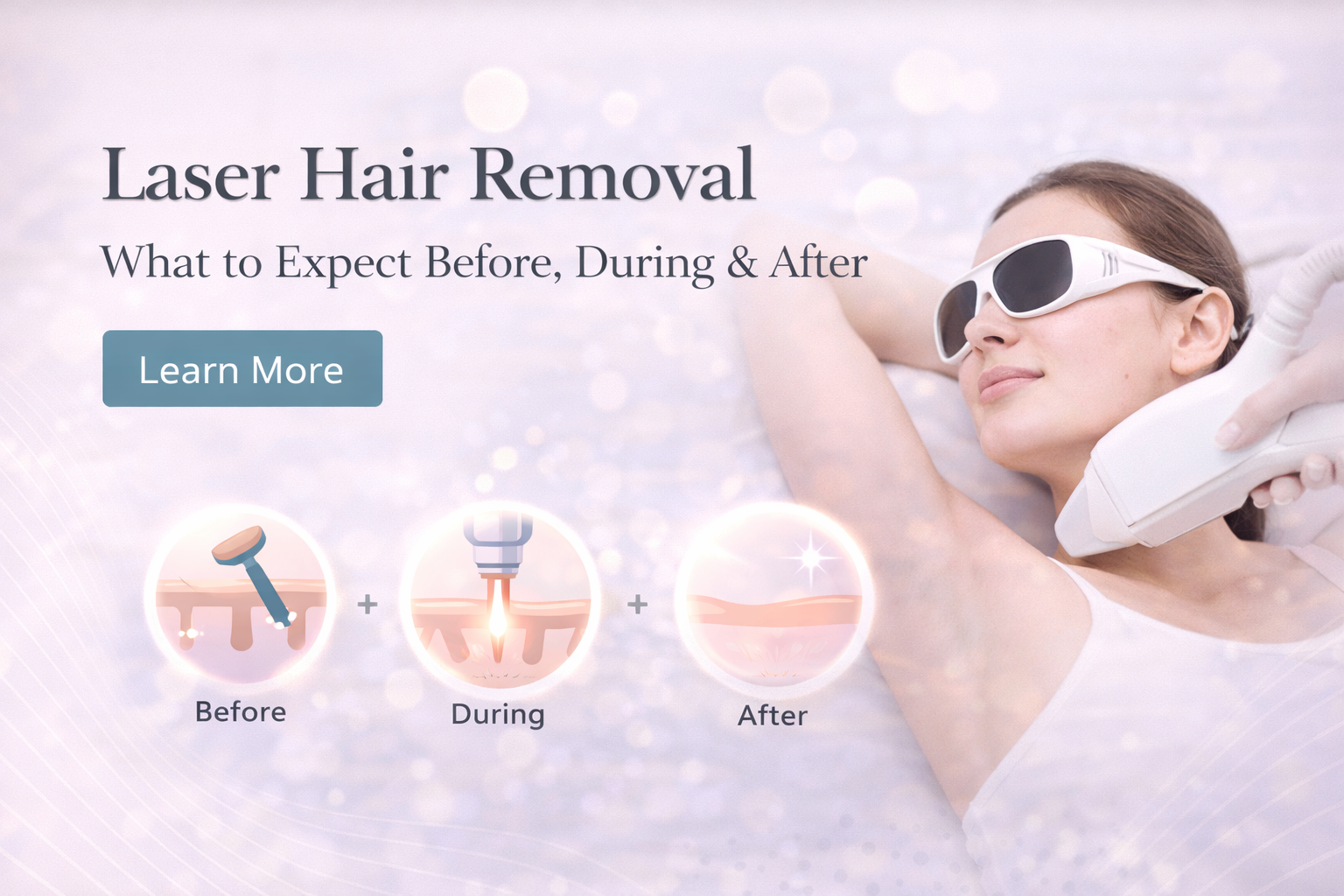
  • The Ultimate Guide to Laser Hair Removal: What to Expect Before, During & After

    The Ultimate Guide to Laser Hair Removal: What to Expect Before, During & After

    Are you tired of shaving every week or booking salon appointments just to manage unwanted hair?

    If you’ve been considering laser hair removal as a long-term solution, you’re not alone. From underarms to full-body treatments, it has become one of the most sought-after aesthetic procedures today. However, many people still wonder what the actual process involves.

    At Leor Clinics, Pune, we believe informed decisions lead to better results. Therefore, this guide walks you through everything — from preparation to aftercare — while also clearing up common myths.

    Let’s explore what you should know before committing to smoother, hair-free skin.

    How Does Laser Hair Removal Work?

    Laser hair removal works by targeting melanin, the pigment present in hair follicles. When the laser emits a concentrated beam of light, the pigment absorbs the energy. As a result, the follicle heats up and becomes damaged, which reduces future hair growth.

    Over time, treated hair grows back finer, lighter, and less dense.

    Traditionally, laser treatments worked best on darker hair and lighter skin. However, thanks to advanced technologies like those used at Leor Clinics, practitioners can safely treat Indian skin tones across a wide range of hair types.

    Before Your Treatment: How to Prepare

    Laser hair removal is not a one-size-fits-all solution. Proper preparation significantly improves your results.

    Here’s what you need to do before your session:

    • Avoid waxing, threading, or plucking for 4–6 weeks. The laser must target the root, so the follicle needs to remain intact.
    • Shave the treatment area 24 hours before your appointment. This helps the laser focus directly on the follicle rather than surface hair.
    • Stay away from sun exposure and tanning products. Tanned skin increases the risk of irritation.
    • Pause active skincare ingredients like retinoids or exfoliating acids for a few days.
    • Inform your practitioner about any medications, skin conditions, or recent treatments.

    By following these steps, you allow the laser to work more effectively and safely.

    During the Session: What Actually Happens?

    If you’re concerned about discomfort, you can relax. Most clients describe the sensation as a light rubber band snap against the skin. Additionally, modern cooling technology minimizes discomfort.

    Here’s how a typical laser hair removal session works:

    1. The practitioner cleans the area.
    2. If necessary, they shave any remaining surface hair.
    3. A cooling gel may be applied.
    4. The laser settings are adjusted based on your skin tone and hair thickness.
    5. Controlled pulses of light target the treatment area.

    Depending on the size of the area, the session may last anywhere between 15 minutes and one hour.

    Aftercare: What to Expect Post-Treatment

    Immediately after your session, you may notice mild redness or a sunburn-like sensation. Fortunately, this reaction is temporary and usually subsides within a few hours.

    To protect your skin and optimize results:

    • Avoid hot showers, saunas, and intense workouts for 24–48 hours.
    • Apply aloe vera gel or use a cold compress if needed.
    • Use sunscreen regularly on exposed areas.
    • Avoid waxing or plucking between sessions; shaving is allowed.
    • Expect gradual hair shedding over the next 1–3 weeks.

    Proper aftercare ensures smoother healing and better long-term results.

    How Many Sessions Will You Need?

    Hair grows in cycles. Importantly, lasers only target follicles during their active growth phase. Because not all hairs grow simultaneously, multiple sessions are necessary.

    Typically, most clients require 6–8 sessions for optimal reduction. In some cases, occasional maintenance sessions may be needed to maintain long-term results.

    Common Myths About Laser Hair Removal

    Let’s clear up a few misconceptions:

    “Laser hair removal is permanent after one session.”
    Not true. While it significantly reduces hair growth, multiple sessions are essential for long-lasting results.

    “It’s only for women.”
    Absolutely false. Many men opt for laser treatments for the chest, back, beard shaping, and other areas.

    “It’s unsafe for darker skin tones.”
    With advanced FDA-approved technology such as Soprano ICE Platinum by Alma Lasers (used at Leor), practitioners can safely and effectively treat Indian skin tones.

    Conclusion

    Laser hair removal is more than a beauty trend. It’s a long-term investment in convenience, confidence, and self-care.

    By understanding the process, preparing properly, and choosing a trusted clinic, you set yourself up for smooth, low-maintenance skin.

    At Leor – Skin, Hair & Body Clinic, we provide customized laser hair removal treatments tailored to your skin type, hair growth pattern, and aesthetic goals.

    Book your consultation today and take the first step toward effortless beauty.

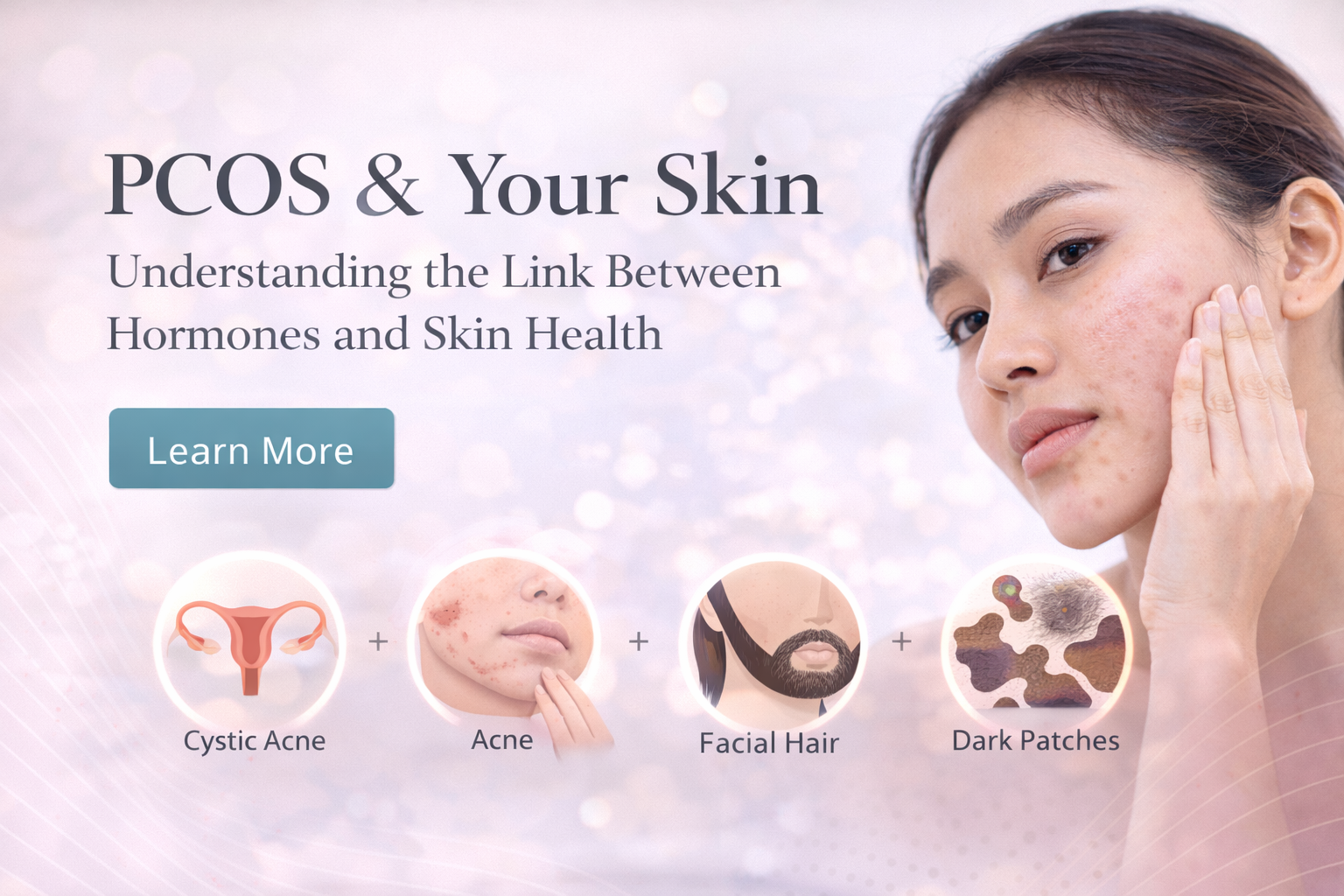
  • PCOS & Your Skin: Understanding the Link Between Hormones and Skin Health

    PCOS & Your Skin: Understanding the Link Between Hormones and Skin Health

    Have you been battling stubborn acne, facial hair growth or dark patches on your skin that just won’t go away, no matter what products you try?

    You’re not alone and the culprit might be deeper than your skincare routine. For many women, Polycystic Ovary Syndrome (PCOS) plays a major role in skin health. It’s a condition that affects not just your hormones and menstrual cycle but your skin, hair and overall confidence too.

    At Leor – Skin, Hair & Body Clinic, we believe in addressing the root causes of skin concerns. In this blog, we’ll help you understand how PCOS impacts your skin and what you can do to manage it both medically and holistically.

    What Is PCOS?

    PCOS is a hormonal disorder that affects women of reproductive age. It causes an imbalance in reproductive hormones, particularly elevated androgens such as testosterone. This imbalance can lead to irregular periods, ovarian cysts, insulin resistance and several skin-related symptoms that often go unnoticed or misdiagnosed.

    Common Skin Issues Linked to PCOS

    Cystic Acne

    One of the most visible signs of PCOS is deep and painful acne, especially around the jawline, cheeks and chin. This occurs because excess androgens increase sebum (oil) production, clogging pores and creating inflammation.

    Hirsutism (Unwanted Hair Growth)

      Women with PCOS often experience thick and coarse hair growth on the face, chest, back or stomach. This excessive hair growth can affect self-esteem and is caused by high levels of circulating androgens.

      Skin Darkening (Acanthosis Nigricans)

      Dark and velvety patches of skin often seen on the neck, underarms and groin can be a sign of insulin resistance, which commonly accompanies PCOS. This condition is known as acanthosis nigricans.

      Skin Tags

      Small and soft skin growths may appear on the neck or underarms due to hormonal imbalances and weight gain, often associated with PCOS.

      The Role of Insulin Resistance

      A key underlying issue in PCOS is insulin resistance, which not only impacts your metabolism and weight but also worsens skin concerns. When the body becomes less responsive to insulin, it compensates by producing more, which stimulates the ovaries to release even more androgens, creating a vicious cycle that reflects on your skin.

      Managing PCOS-Related Skin Concerns

      1. Medical Management

      A dermatologist or endocrinologist may recommend:

      • Hormonal therapies like oral contraceptives or anti-androgens.
      • Insulin sensitising medications such as metformin.
      • Topical treatments for acne or pigmentation.

      2. Lifestyle Modifications

      • Balanced Diet: Reducing sugar, dairy and processed carbs can help balance insulin and hormone levels.
      • Regular Exercise: Helps improve insulin sensitivity and manage weight.
      • Sleep & Stress Management: Lack of sleep and high cortisol levels can worsen hormonal imbalances.

      3. Skin Treatments at Leor Clinics

      At Leor, we offer customised solutions such as:

      • Acne control treatments like chemical peels and laser therapy.
      • Laser hair reduction for facial and body hair.
      • Pigmentation and skin-brightening solutions.
      • Holistic diet and wellness counselling to support your long-term health.

      Conclusion

      PCOS can affect more than just your hormones, it can influence your skin, your confidence and your quality of life. But with the right understanding and approach, these issues can be managed effectively. The key lies in treating the root cause and not just the symptoms.

      At Leor – Skin, Hair & Body Clinic, we take a holistic and personalised approach to PCOS and skin health. Our experts work closely with you to create a plan that addresses both internal imbalances and external skin concerns, helping you look and feel your best.

    1. Collagen & Your Skin: Science, Function & Benefits

      Collagen & Your Skin: Science, Function & Benefits

       Your skin is a protective barrier. However, in a cultural sense, it’s also a visual reflection of your health and vitality. Collagen, a structural protein, keeps skin firm, hydrated, and youthful. Over time, though, collagen production naturally declines, causing wrinkles, fine lines, and sagging.

      Therefore, knowing how collagen affects your skin helps you choose the best skincare, nutrition, and treatments. Whether you’re spotting early aging signs or aiming for long-term skin health, this guide explains what collagen is, why it matters, and how to boost it with proven strategies.

      What is Collagen and Why is it Essential for Healthy Skin?

      It is a structural protein that makes up nearly 75% of your skin’s dry weight. Essentially, it acts like a framework that holds the skin together, giving it strength, flexibility, and firmness. Without enough collagen, the skin gradually loses its ability to bounce back, leading to wrinkles, sagging, and dryness.

      First and foremost, the presence of collagen is crucial for your skin because it:

      • Maintains firmness and elasticity
      • Keeps the skin plump and hydrated
      • Repairs damaged tissues
      • Helps prevent premature aging

      However, it is not for everyone in every situation. For instance, individuals with certain health conditions or allergies to ingredients in collagen supplements for skin should consult a doctor before starting any regimen.

      What is Collagen and Why is it Essential for Healthy Skin?

      It is a structural protein that makes up nearly 75% of your skin’s dry weight. Essentially, it acts like a framework that holds the skin together, giving it strength, flexibility, and firmness. Without enough collagen, the skin gradually loses its ability to bounce back, leading to wrinkles, sagging, and dryness.

      First and foremost, the presence of collagen is crucial for your skin because it:

      • Maintains firmness and elasticity
      • Keeps the skin plump and hydrated
      • Repairs damaged tissues
      • Helps prevent premature aging

      However, it is not for everyone in every situation. For instance, individuals with certain health conditions or allergies to ingredients in collagen supplements for skin should consult a doctor before starting any regimen.

      How Collagen Works to Keep Skin Youthful, Firm, and Elastic

      Understanding how collagen for skin functions at the cellular level helps you appreciate its role in maintaining a youthful appearance. In fact, this powerhouse protein supports your skin’s structure and vitality in several ways:

      1. Supports Structural Firmness and Skin Integrity

      To begin with, collagen fibers form a dense, interwoven matrix in the dermis, creating a scaffold that provides tensile strength and maintains skin architecture. This structure, which accounts for around 70 percent of the skin’s protein content, anchors cells and blood vessels. As collagen declines with age, however, this matrix weakens, leading to wrinkles and sagging.

      2. Supports Skin Hydration and Moisture Retention

      In addition, hydrophilic amino acids within collagen, such as hydroxyproline, bind water molecules. As a result, skin plumpness improves, dryness reduces, and the skin barrier strengthens, helping it resist environmental aggressors like pollutants and UV radiation.

      3. Supports Skin Elasticity and Stretch Recovery

      Moreover, it works synergistically with elastin to maintain skin elasticity. While collagen provides the structural foundation, elastin allows the skin to return to its original shape after stretching. Unfortunately, both proteins are synthesized by fibroblasts whose production diminishes with age, contributing to decreased skin resilience.

      4. Supports Regeneration

      Furthermore, hydrolyzed collagen peptides from dietary intake or supplements activate fibroblasts via receptor-mediated signaling pathways. Consequently, this boosts the production of collagen, elastin, and hyaluronic acid — all of which are important for maintaining skin firmness, hydration, and tissue repair.

      5. Supports Protection Against Collagen Breakdown

      At the same time, bioactive collagen peptides help suppress matrix metalloproteinases, enzymes that degrade collagen. This inhibition is especially crucial for protecting skin structure from ultraviolet-induced and oxidative stress-related damage.

      6. Supports Water Retention

      Additionally, it interacts with glycosaminoglycans such as hyaluronic acid in the extracellular matrix. These molecules help retain water; therefore, dermal hydration improves while the collagen-elastin framework becomes stronger, enhancing skin texture and volume.

      7. Supports Wound Healing and Tissue Repair

      Finally, it plays a pivotal role in tissue repair by acting as a scaffold for new cell growth. It directs fibroblast migration and stimulates angiogenesis. As a result, wound healing becomes faster, inflammation reduces, and scar formation is minimized.

      The Natural Decline of Collagen: When and Why Does Aging Play a Role?

      It is abundant in youth. However, production begins to decrease around the mid-20s. This decline is natural and influenced by several factors. Over time, fibroblasts become less active, and hormonal shifts — especially during menopause — further reduce collagen synthesis.

      Factors That Accelerate Collagen Decline

      Most notably, sun exposure is a major contributor. Ultraviolet radiation breaks down collagen fibers, accelerating aging. In addition, lifestyle choices like smoking and pollution increase free radicals, which activate enzymes called matrix metalloproteinases (MMPs). Consequently, collagen degradation speeds up, gradually weakening the skin’s structure.

      Visible Signs of Collagen Loss in the Skin: What to Look For

      It loss doesn’t happen overnight. Instead, it occurs gradually. Starting in your mid-20s, your body produces less collagen each year. Eventually, by your 40s, the signs become more noticeable.

      If you’ve been wondering why your skin doesn’t snap back like it used to, collagen decline may be responsible. Here’s what to look for:

      1. Fine Lines and Wrinkles

      First of all, as it breaks down, the skin loses its underlying structure. Consequently, crow’s feet, laugh lines, and forehead creases begin to appear.

      2. Skin Sagging and Loss of Firmness

      Similarly, without its firm foundation, skin starts to droop — particularly around the jawline, neck, and under the eyes.

      3. Thinner, More Fragile Skin

      In addition, it gives skin its density. When levels drop, skin becomes thinner, more fragile, and more prone to bruising.

      4. Dullness and Loss of Radiance

      Moreover, healthy collagen helps skin reflect light evenly. As levels decline, skin may appear dull or tired despite regular moisturization.

      5. Slower Wound Healing

      Because it is essential for regeneration, reduced levels can slow healing and increase the likelihood of visible scarring.

      6. Enlarged Pores

      As skin loses firmness, it may sag around pores. Consequently, pores appear larger, especially on the cheeks and nose.

      7. Dehydrated and Rough Texture

      Finally, without collagen to retain water, skin may feel rough, dry, and less bouncy.

      Altogether, these signs may begin subtly but gradually become more noticeable. Therefore, recognizing them early allows you to take preventive action.

      Boosting and Maintaining Collagen for Healthy Skin

      Fortunately, there are several effective ways to support and boost collagen naturally. Let’s explore how you can enhance it through diet, supplementation, and advanced skin treatment.

      Collagen Supplements: Understanding Their Effectiveness

      In recent years, its supplements for skin have gained immense popularity. Typically, these contain hydrolyzed collagen peptides designed to provide building blocks for repair and rejuvenation.

      Over time, collagen supplements may:

      • Stimulate collagen production
      • Improve hydration and elasticity
      • Support wound healing

      However, results vary from person to person. Therefore, consistency and realistic expectations are key.

      Skin Tightening Treatment

      When diet and supplements aren’t enough, skin tightening treatment offers a safe, non-invasive way to boost collagen and firm the skin.

      At Leor Clinics, we use advanced technology that combines radiofrequency and ultrasound. Specifically, this treatment heats deep layers of the skin to stimulate collagen production and remodeling. As a result, skin tightens and wrinkles reduce — all without surgery or downtime.

      If you’re looking for visible skin rejuvenation without invasive procedures, book an appointment at Leor Clinics to consult with our experts.

      Lifestyle Habits to Prevent Premature Collagen Loss

      Ultimately, protecting collagen comes down to daily habits. For example:

      • Wear sunscreen regularly
      • Avoid smoking
      • Limit alcohol consumption
      • Eat antioxidant-rich foods
      • Stay hydrated

      By consistently following these habits, you help preserve collagen and maintain firmer, healthier skin.

    2. Acne Scars: Causes, Types & Effective Treatments

      Acne Scars: Causes, Types & Effective Treatments

       Acne can leave behind different types of marks on your skin. Some are flat discolorations that fade with time, while others create changes in your skin’s texture that may require professional treatment. Knowing the difference helps you choose the right approach to improve your skin’s appearance effectively.

      What Exactly Are Acne Scars?

      Acne scars are the skin’s version of battle wounds. They’re the result of inflamed blemishes damaging the skin tissue. When acne penetrates deeply into the skin and damages the underlying layers, the body rushes to repair it. But like any hurried job, the repair process isn’t always perfect.

      Sometimes, your skin produces too little collagen, leading to depressions or pits. Other times, it produces too much, creating raised scars. Either way, the aftermath is what we refer to as acne scars.

      Underlying Causes of Acne Scars

      Let’s get under the skin.

      When a pore swells due to bacteria, oil, and dead skin cells, it causes inflammation. If the follicle wall breaks deeply, infected material can leak into surrounding tissue. Your body’s response? Repair with collagen. But this natural healing comes with a catch. The more intense or prolonged the inflammation, the greater the disruption in collagen distribution.

      Genetics, skin type, the severity of your acne, and how often you pick at pimples also factor in. It’s important to note that even mild acne can lead to permanent scars if inflammation becomes chronic.

      Different Types of Acne Scars: A Visual Guide

      The dermatologists categorize acne scars in the following manner:

      Atrophic (Depressed) Scars

      These are the most common and occur due to collagen loss during healing.

      • Ice Pick Scars: Small, deep, and narrow pits, almost as if someone punctured your skin with a sharp object. Most common on the cheeks, jawline, and chin.
      • Boxcar Scars: Wider than ice pick scars, with sharp edges. They can be shallow or deep, often oval or rectangular.
      • Rolling Scars: Broad depressions with sloped edges. They give skin a wavy, uneven texture. Thankfully, they’re among the easiest to treat.

      Hypertrophic (Raised) Scars

      These form when your body goes into collagen overdrive during healing.

      • Hypertrophic Scars: They stay within the boundaries of the original acne site but are raised and firm.
      • Keloid Scars: More severe. These extend beyond the original wound and can feel itchy or tender.

      Once you understand the distinction between the various scar types, it will be easier to choose the right treatment, especially if you’re dealing with pitted acne scars that don’t respond to over-the-counter options.

      Mild vs. Severe Acne Scars: Understanding the Spectrum

      Severity matters! Not just for the acne itself but for the scars it leaves behind.

      • Mild acne: 46% develop scars
      • Moderate acne: 67%
      • Severe acne: 82%

      The more severe or prolonged the inflammation, the higher the risk of permanent acne scars. However, don’t be fooled into thinking light breakouts are harmless. Long-term low-grade inflammation can still quietly wreak havoc, leading to visible scarring over time.

      In short: Scars don’t discriminate. Early and effective acne management is crucial.

      Acne Marks vs. Acne Scars: What’s the Difference?

      If you’ve ever stared at your skin wondering why that stubborn spot just won’t fade, here’s the thing. Not everything left behind after a breakout is actually a scar.

      Acne marks, also called post-inflammatory hyperpigmentation or erythema, are flat discolorations that appear after a pimple heals. They can be pink, red, brown, or even purple depending on your skin tone. The key detail is that they don’t affect the skin’s texture. They’re visible, but your skin still feels smooth. With time, sun protection, and the right products like vitamin C or niacinamide, these marks often fade on their own.

      Acne scars, on the other hand, involve physical changes in the skin. They can form indents that sink into the skin or raised areas that feel thicker than the rest of your face. If you run your fingers over the area and feel an uneven surface, that’s more likely a scar. These result from deeper damage to the skin’s structure and often need clinical treatments like microneedling or laser therapy to improve.

      So how do you know which one you’re dealing with?

      If it’s smooth but dark, it’s probably a mark. If it’s uneven to the touch, it’s likely a scar.

      Understanding this difference matters because treatment paths are completely different. Acne marks might respond well to topical products. But to remove them effectively, you’ll usually need consistent professional care.

      The sooner you identify what you’re treating, the better your results will be.

      How Acne Causes Scars: The Skin’s Healing Process

      Every acne scar tells a story not just of a breakout, but of what your skin went through beneath the surface. And the real story begins ‘after’ the pimple.

      When your skin develops Active Acne Scars (inflamed breakouts), your immune system steps in like a crisis response team. White blood cells rush to fight the bacteria, clean out dead skin cells, and manage oil buildup. But this inflammation, though protective, often damages the surrounding healthy tissue in the process.

      Once the infection subsides, your body shifts gears into repair mode. The fibroblasts, specialized cells responsible for producing collagen rebuilds and strengthens your skin. This step is critical. If your body produces too little collagen, it can leave behind depressed scars like ice pick or boxcar types. If it produces too much, it results in raised scars like hypertrophic or keloid scars.

      What complicates matters is that this collagen-building process is often irregular in acne-affected skin, especially when breakouts are deep, long-lasting, or repeatedly irritated. Inconsistent collagen synthesis + chronic inflammation = scarring.

      That’s why acne scars aren’t just a surface issue. They’re a result of how your skin heals or rather we could say “misheals”, after trauma. And it also explains why topical skincare alone can’t always reverse them. Deeper, more targeted interventions are often needed to support proper collagen remodeling and restore smoother skin.

      Managing and Treating Acne Scars

      It’s 2025. You have options. No reason to fall for TVCs that have convinced you that “brightening” is the solution for everything. 

      Professional Management and Treatment

      Modern dermatology offers targeted treatment for acne scars that address everything from tone to texture.

      • Topical Retinoids: Promote cell turnover and reduce pigment.
      • Chemical Peels: Exfoliate deeply, stimulating new skin.
      • Microneedling: Triggers controlled injury to encourage collagen growth.
      • Laser Therapies: Such as ablative laser treatment, which vaporizes damaged skin to stimulate healing from within.
      • Subcision & Fillers: Release scar tissue and lift depressed scars.
      • Minor Surgical Procedures: Like punch excision for stubborn ice pick scars.

      In-Clinic Treatments for Acne Scars: What to Expect

      Let’s set the right expectation. 

      Treating acne scars is a journey. There is no such instant fix in existence, especially while dealing with pitted acne scars, as they are formed deep within the skin.

      In-clinic treatments work by targeting the layers beneath the surface to stimulate collagen regeneration, a process your skin naturally uses to heal. Procedures like microneedling, chemical peels and subcision are designed to create controlled micro-injuries. These prompt your skin to rebuild itself, filling in indents, softening rough textures, and improving tone.

      However collagen doesn’t rebuild as fast as you might think. Depending on the severity and type of scarring, you’ll likely need a series of sessions spaced weeks apart. The improvements are gradual but compounding, each session lays the groundwork for smoother skin ahead.

      At Leor clinic, we offer Klarina’s 7-step medical facial, a cellular-level treatment that helps clear blemishes and improve post-acne texture when combined with other procedures.

      With the right combination of professional care and consistency, you can significantly reduce the appearance of acne scars. And while perfection isn’t always the goal, progress absolutely is.

      How Long Does It Take for Acne Scars to Improve with Treatment?

      You’ve booked the treatment. You’re hopeful. But now you’re wondering: when do I see change?

      It depends on your skin, your routine, and your body’s response to healing. Not just the extent of the scar.

      Let’s start with the easy-to-miss difference. Hyperpigmentation (those dark or red leftover marks) might look like scars, but they aren’t. These can fade naturally within 3 to 24 months. Topical actives, SPF, and clinical options like chemical peels or laser techniques like Q-switched laser treatment, can accelerate the process significantly.

      But true acne scars, especially pitted (atrophic) or raised (hypertrophic) ones demand more. The reason being, they are a result of a deeper injury, where collagen was either lost or overproduced during the healing phase. The good news is Leor Exclusive Treatments don’t just cover the damage, they stimulate collagen and other necessary specialized cells from the inside out.

      And coming to the realistic part, as mentioned earlier, It’s a journey. For most, it takes multiple sessions over 3 to 6 months to see consistent, visible improvement. And some deeper permanent acne scars may never fully go away. But they can fade enough to become barely noticeable in natural light.

      Acne scars can be improved often impressively so, but it’s not instant. Stick with it. Skin takes time, but science is on your side.

      Beyond Treatment

      The journey for healing your skin may start with lasers and serums but it doesn’t end there. It also depends on how you care for it every day.

      Prevention is Key: Minimizing the Risk of Acne Scars

      Follow this prevention checklist:

      • Don’t pick or pop your pimples. Never do it unless a dermatologist is suggesting it (in most cases they do the popping as per the given scenario).
      • Start treatment early. The faster you control acne, the less risk of scarring.
      • Use SPF daily. Sun exposure makes scars darker and harder to fade.
      • Stick to non-comedogenic products for acne scars. They won’t clog pores or aggravate existing breakouts.

      Living Well with Acne Scars

      Some scars may linger. But they don’t define you.

      Managing acne scars is about confidence, not perfection. If you’ve tried treatments, kept up your skincare, and still see texture, that’s okay! You’re not alone. 

      Your skin won’t betray your efforts when they are taken in the right direction.

      However it is still recommended to consider therapy, journaling, or support groups if scars are affecting your mental health. Real beauty has depth, just like your skin.

      Exploring Natural Remedies for Acne Scars

      When it comes to acne scars natural removal, there’s no homely remedy that will fully resurface your skin. But some natural ingredients may help with pigmentation, that can as a result address your acne scars:

      • Honey: Mild anti-inflammatory effects.
      • Aloe Vera: Calms redness.
      • Rosehip Oil: Promotes skin regeneration over time.

      Just remember: these are support acts, not lead treatments. Don’t expect them to erase pitted acne scars or severe discoloration.

      To get the right skin treatment for your acne scars, contact Leor Clinics. After making discovery around your scar type, the depth of the treatment required, our experts will administer the right approach for your case!

      FAQs

      Q1: How do I get rid of my acne scar?

      Ans. Start with professional treatments like peels, lasers, or microneedling. And then pair these efforts with SPF and acne scar removal cream for long-term support. For best results, it’s recommended to book an appointment at Leor and consult a dermatologist for a tailored plan.

      Q2: Can acne scars be 100% removed?

      Ans. In many cases, acne scars can be removed or significantly faded. But deep scars may only improve by reducing its size, not disappear. 

      Q3: Do acne scar marks go away?

      Ans. If they’re pigmentation-based (not textured), then yes they often go without treatment over time.

      Q4: Can I remove acne scars naturally?

      Ans. Acne scars natural removal options can help slightly with tone but not texture. Use them with realistic expectations.

      Q5: Does vitamin C help with acne scars?

      Ans. Yes. Vitamin C has a brightening effect on your skin which reduces discoloration. It’s majorly included in products for acne scars.