Leor Clinics : Pune's Expert in Skin, Hair & Body Treatments

Category: Uncategorized

  • Skin Tightening: Explore Laxity & Treatment Options

    While aging is natural, the accelerated loss of skin firmness is not something everyone anticipates. Studies have shown that after the age of 25, collagen production starts to decline steadily. And this transition doesn’t come overnight. It is subtle at first, a less defined jawline, faint smile lines becoming deeper, skin around the neck feeling softer than before.

    These are common signs of skin laxity, a condition many adults start noticing as early as their 30s. In response to this, skin tightening has emerged as a widely explored field in aesthetic dermatology.

    Read this blog to learn more about why individuals should go through a skin tightening treatment and what aesthetic results they can expect.

    What is Skin Laxity?

    Skin laxity refers to a gradual loss of elasticity and firmness in the skin. It occurs when the supportive fibers, mainly collagen and elastin,  begin to weaken or degrade over time. These fibers act like scaffolding beneath the skin’s surface, keeping it tight, structured, and responsive.

    This condition is considered a common skin concern in both men and women, especially after major life events like weight loss or pregnancy. As the skin stretches and contracts repeatedly, it can lose its ability to bounce back, resulting in looseness or folds. Areas most affected include the lower face, neck, upper arms, stomach, and inner thighs.

    On the contrary to surface-level dryness or roughness, laxity involves the deeper layers of the skin, making topical creams alone insufficient. That is where skin firming treatment or other targeted therapies begin to show their value.

    Science Behind Sagging Skin: Collagen, Elastin, and Aging

    The skin we see and touch is only the surface of a much deeper system. Just beneath it lies a delicate framework made of proteins. Among them, collagen and elastin play a central role in keeping the skin stable and springy.

    Collagen gives the skin its strength. It forms tight bundles that act like internal scaffolding, holding everything together and maintaining structure. Without it, the skin loses its density and begins to look hollow or loose.

    Elastin is what allows movement. Every time the skin stretches and then returns to place, it is elastin doing the work. It gives the skin flexibility without letting it stay stretched.

    With age, both collagen and elastin begin to slow down. The skin becomes thinner, less resilient, and slower to recover. Everyday expressions, environmental exposure, and even gravity begin to leave a more lasting mark.

    The change may feel sudden, but it happens slowly, a softening of the jawline, a deepening of folds, a shift in how light reflects off the cheek. These are not surface problems. They begin at the core of how the skin holds itself together.

    Factors That Accelerate Skin Sagging

    Skin aging is natural, but certain factors can push it into fast-forward.

    1. Sun exposure is one of the biggest contributors. Ultraviolet rays penetrate deep into the skin, breaking down collagen and elastin faster than usual.
    2. Smoking introduces toxins that narrow blood vessels, reducing oxygen supply to skin tissues and accelerating damage.
    3. Frequent weight fluctuations stretch the skin repeatedly, which can reduce its ability to rebound after the weight is lost.
    4. Poor nutrition deprives the body of vitamins and minerals essential for skin health. A diet lacking antioxidants and healthy fats may weaken the skin barrier.
    5. Genetics also play a role. Some people naturally produce less collagen or have looser connective tissue, which makes sagging more noticeable.

    When these factors combine, they not only affect firmness but also lead to rougher skin texture and reduced durability. This is where all skin treatments must be personalized carefully, based on each individual’s history and needs.

    Non-Surgical Skin Tightening Approaches

    There are several non-invasive ways to tighten facial skin and improve skin tone with modern aesthetic procedures. These choices are particularly appropriate for people who wish to see results quickly.

    Radiofrequency (RF) Skin Tightening: How It Works

    Radiofrequency or RF technology uses gentle heat to reach the skin’s deeper layers. The controlled warmth stimulates existing collagen to contract and encourages new collagen to form. During the procedure, the device glides over the skin, gradually warming the tissue beneath. Most people describe the feeling as a warm stone massage. It is comfortable and requires no downtime. RF is often used for face tightening, neck firmness, and stomach tightening.

    Ultrasound Skin Tightening: Precision for Deeper Layers

    This technique uses focused ultrasound energy to target specific depths beneath the skin. The energy triggers a natural repair process that unfolds over weeks, gradually lifting and tightening. Common areas for this method include the lower face and neck. The treatment is precise, non-invasive, and suitable for those with mild to moderate sagging.

    Laser Skin Tightening

    Laser skin tightening involves directing focused light at the skin’s water content, creating controlled thermal damage that triggers collagen remodeling. In addition to lifting effects, this method also improves skin texture, making it a two-in-one solution for people with both sagging and dullness. The sensation may include warmth or light snapping, and redness can appear temporarily post-treatment.

     Microneedling with RF

    This method combines two powerful technologies: microneedling and radiofrequency. Tiny needles create micro-channels in the skin, allowing RF energy to penetrate more effectively into the deeper layers.

    This combination enhances collagen production more than either method alone. The technique is often used for areas where fine lines and laxity overlap, like the under-eye region, cheeks, and around the mouth.

    Who is a Good Candidate for Non-Surgical Skin Tightening?

    Ideal candidates are those who experience mild to moderate skin laxity and are looking for gradual improvement rather than dramatic change. Most treatments are suitable for adults in their 30s to 60s, although age is not the only factor.

    Good candidates are generally healthy, free from active skin infections, and have realistic expectations. Those who want to improve sagging in specific zones such as the jawline or arms, without surgical intervention often benefit most.

    If you have started noticing early signs of loose skin or uneven skin texture, you are likely to be a suitable candidate for skin tightening therapy.

    Skin Tightening Pre-Procedure Guidelines

    Preparing for skin tightening treatments helps improve comfort and outcome. Before your session:

    • Avoid direct sun exposure for at least three days.
    • Do not use retinol or strong exfoliants a week prior.
    • Stay hydrated, as well-hydrated skin responds better to energy-based treatments.
    • Remove makeup and sunscreen on the day of your appointment.
    • Inform your practitioner of any medical conditions or medications.

    These steps help ensure your skin is stable, clean, and receptive to the treatment energy.

    What to Expect During a Skin Tightening Session

    A typical session lasts anywhere between thirty minutes to an hour, depending on the area being treated. The skin is cleansed, and sometimes a cooling gel is applied.

    During the treatment, sensations vary. You may feel warmth, tingling, or a mild pulling sensation as energy is delivered. The level of discomfort is usually minimal and does not require anesthesia.

    After the session, there may be some redness or slight swelling. These effects typically subside within a few hours. Most clients return to daily activities immediately after.

    Post-Treatment Care for Optimal Skin Tightening Results

    The skin continues to improve over time, but care after treatment supports this process.

    • Use a gentle cleanser and avoid scrubbing.
    • Apply a soothing moisturizer as recommended.
    • Protect the skin with SPF daily to maintain results.
    • Refrain from sauna, steam, or intense workouts for a few days.
    • Avoid makeup on treated areas for at least 24 hours.

    For those undergoing sagging skin and double chin treatment, supporting skin recovery is crucial. The results emerge gradually, often becoming more visible after three to six weeks, with continued improvement for several months.

    How Long Do Skin Tightening Results Last?

    The results of Exilis Ultra 360™ skin tightening treatment provided by Leor Clinics are not permanent, but they do linger long enough to matter.

    Most people begin to notice changes within 4 to 8 weeks as collagen gradually rebuilds beneath the surface. These improvements often last anywhere from 6 months to over 1 year, depending on the treatment approach used and how your skin naturally responds to it.

    Results fade gently, not suddenly, giving you time to enjoy the subtle lift and glow. With consistent aftercare and occasional maintenance sessions, those effects can stretch even further.

    FAQs

    Q1. What is the best method for skin tightening?

    Ans. The most effective method depends on your skin type and the area treated. Radiofrequency, ultrasound, microneedling with energy delivery, and laser-based treatments all offer different levels of lift and collagen stimulation.To find out which suits you best, it’s recommended to book an appointment and get expert guidance at Leor.

    Q2. How can I tighten my skin naturally?

    Ans. Natural ways to support firmer skin include eating antioxidant-rich foods, staying hydrated, applying sunscreen daily, doing regular facial massages, and maintaining good sleep. These habits help protect collagen and support healthy skin over time.

    Q3. Can you really tighten loose skin?

    Ans. Yes, especially in early stages. Non-surgical treatments can visibly improve mild to moderate skin laxity. While results are not permanent, they offer a meaningful lift and delay the need for surgical options.

    Q4. Which food is best for skin tightening?

    Ans. Foods that support tighter skin include berries, citrus fruits, bone broth, flaxseeds, spinach, almonds, and oily fish. These nourish the body with vitamins, antioxidants, and proteins that encourage natural collagen formation.

    Q5. What is the cost of skin tightening in India?

    Ans. Skin tightening costs vary based on the device used, treatment area, and clinic location. In India, a single session may range between five thousand and twenty five thousand rupees on average.
  • Ultimate Guide to Body Contouring Treatment

    Ultimate Guide to Body Contouring Treatment

     Reaching your ideal weight often feels like the end of a long journey. But for many, it reveals a new chapter altogether. Stubborn fat that clings in specific spots, sagging skin after weight loss, and uneven body proportions often remain long after the weighing scale shows the desired number. These concerns are real and common. Body contouring offers a way to address them gently and effectively. Leor Clinics offers advanced body contouring treatments designed to address them gently and effectively.

    Rather than offering extreme changes, body contouring works alongside your body. It helps sculpt, smooth, and firm areas that do not respond to diet or exercise alone. From thighs and arms to the abdomen and flanks, it bridges the gap between your efforts and your appearance.

    What Exactly is Body Contouring?

    Body contouring is a category of aesthetic treatments that aim to reshape targeted areas of the body. It includes procedures designed to reduce fat, improve skin tone, and refine the body’s natural curves. These are not weight loss solutions. Instead, they focus on the fine-tuning stage of physical transformation.

    There are both surgical and non-surgical forms of body contouring. In recent years, non-invasive methods have grown in popularity for their minimal recovery time and natural-looking outcomes. These methods offer body reshaping in areas where fat persists despite healthy living.

    Who is an Ideal Candidate for Body Contouring?

    Not everyone needs body contouring, and it is not meant for significant weight loss. It works best for individuals who:

    • Are close to their ideal weight
    • Have localized fat deposits that resist diet and exercise
    • Experience mild to moderate skin looseness
    • Maintain a generally healthy lifestyle

    What Conditions are Body Contouring Treatments Used For?

    Body contouring addresses multiple concerns. While fat reduction is the most commonly discussed benefit, its scope is wider.

    These treatments help with:

    • Smoothing uneven body contours
    • Tightening skin after significant weight loss
    • Reducing visible bulges in the abdomen, flanks, and thighs
    • Enhancing proportion and symmetry
    • Managing skin laxity in areas like arms or lower back

    For those dealing with a weight loss concern, body sculpting can restore harmony to the silhouette, helping the body reflect the hard work already done.

    Types of Non-Surgical Body Contouring

    With advancing technology, non-invasive body sculpting treatments have become widely available and highly customizable. These tools can target non surgical belly fat removal, offer gentle lifting of sagging zones, and even stimulate the skin’s own collagen. Let’s look at two of the most popular modalities.

    CoolSculpting (Cryolipolysis)

    CoolSculpting is one of the most recognizable names in body contouring, and for good reason. It uses controlled cooling to freeze fat cells in targeted areas. Once frozen, these cells begin to break down and are eventually eliminated by the body over a few weeks

    The science behind it is called cryolipolysis. Fat cells are more vulnerable to cold than surrounding tissues, so while the fat is disrupted, skin and muscle remain unharmed. This method is particularly effective for areas like love handles, underarms, and non surgical fat removal from the stomach.

    Radiofrequency (RF) for Fat Reduction and Skin Tightening

    Radiofrequency delivers gentle heat to deeper layers of skin. This heat damages fat cells and stimulates the production of collagen at the same time. Over time, the skin becomes tighter while fat cells shrink.

    Treatments are usually comfortable, often described as warm or mildly tingly. RF can be especially helpful for areas needing both body skin tightening and fat reduction, such as the neck, jawline, or arms.

    One of the latest and more advanced tools in this category is Emsculpt Neo, which combines RF heat with high-intensity electromagnetic pulses. This dual action not only reduces fat but also strengthens muscle beneath it.

    Another radiofrequency-based option is Liftera, which combines ultrasound energy with thermal stimulation. While RF waves generate heat to tighten tissue and contract collagen, ultrasound waves reach deeper layers, triggering micro-vibrations that encourage collagen renewal.

    Before Body Contouring Procedure Preparations

    Preparation plays a big role in achieving the best possible outcome

    Here are some general pre-treatment steps to follow:

    • Stay well hydrated for at least 48 hours before your session
    • Avoid blood-thinning medications or supplements like aspirin, unless prescribed
    • Skip alcohol and caffeine the night before
    • Do not apply lotions, creams, or oils on the day of the procedure
    • Inform your provider about any recent surgeries, skin issues, or allergies

    These steps help your body respond better to treatment and reduce the chance of side effects.

    What to Expect During Your Body Contouring Procedure

    Arrival and Preparation

    At the beginning of your session, the provider reviews the treatment plan and confirms the targeted areas. You will be positioned for comfort and accessibility, depending on the technology being used.

    During the Procedure

    The procedure involves placing a device over the selected area. The sensations you may feel include warmth, pressure, gentle cooling, or mild muscle contraction, depending on the method. These responses are normal and typically well tolerated.

    Duration of the Session

    Sessions usually take between thirty and sixty minutes. The length depends on the size and number of areas being treated. You may remain still throughout while the device completes its cycle.

    After the Session

    Post-treatment, there may be slight redness, swelling, or tenderness in the area. These effects are temporary and generally resolve within a few hours. Some treatments may include a light massage immediately afterward.

    Return to Daily Activities

    You can resume normal activities right after the session. There are no physical restrictions, and no special recovery space is required. Most people continue with their day without interruption.

    Body Contouring: Post-Treatment Care

    Aftercare helps your body process the changes more effectively. Here is what to keep in mind post-treatment:

    • Drink extra water to support lymphatic drainage
    • Gently massage the treated area to enhance circulation
    • Avoid intense workouts for 24 hours
    • Use cooling gel or mild creams if any redness or swelling occurs
    • Do not overeat, you need dietary balance to preserve your results

    If you underwent fat arm reduction or inner thigh lift, walking or stretching lightly helps minimize stiffness. Although side effects are mild, consistency in aftercare creates the best environment for change.

    Advantages of Non-Surgical Body Contouring

    Here are five reasons non-surgical body sculpting is gaining popularity:

    1. No skin incision required – Avoids scars and infection risks.
    2. Little to no downtime – Continue with daily life immediately.
    3. Affordable compared to surgery – Suitable for budget-conscious clients.
    4. Gradual results – Achieves natural-looking changes.
    5. Custom plans – Treatment plans can be personalized as per each body type and concern.

    Potential Complications and Side Effects

    Though non-invasive, body contouring treatments are not completely free of side effects. Common issues are usually temporary and include

    • Mild swelling or redness
    • Tenderness or soreness in the area
    • Slight numbness or tingling
    • Occasional bruising in areas with more fat tissue

    These symptoms tend to disappear within a few days. Rarely, individuals may notice firmness or uneven texture temporarily as the body processes eliminated fat cells

    Recovery Time for Body Contouring Treatments

    Non-surgical body contouring fits into everyday life with surprising ease. Unlike surgical options that involve incisions, stitches, and weeks of rest, these treatments typically require little to no downtime. Most clients walk out of the clinic and return to work, errands, or even social events the same day.

    That said, the body still responds internally. After a session, it is common to feel mild swelling or soreness, especially in areas like the abdomen, thighs, or upper arms. This is not pain in the traditional sense, it is more like the muscle fatigue felt after a light workout.

    What matters most post-treatment is supportive care. Drink plenty of water to aid fat cell elimination, avoid high-intensity exercise for at least twenty-four hours, and gently move the treated areas if recommended. These simple steps encourage better circulation and support the skin’s natural healing rhythm.

    If your treatment plan involves multiple sessions, your provider may space them over several weeks to give your body time to react and rebuild. While the changes happen slowly, this ease of recovery is one of the reasons non-surgical body contouring remains a preferred choice for those with active lifestyles.

    How Long Do Body Contouring Results Last?

    The results from body contouring do not appear overnight, but they do last when managed well. Most people begin noticing visible improvement by week four, with full results typically settling between eight and twelve weeks, depending on the treatment used and the area targeted.

    Treatments like Exilis Ultra 360 work by permanently destroying fat cells. These eliminated cells do not come back. However, the remaining fat cells can still expand if weight gain occurs, so the outcome is long-lasting only when supported by stable lifestyle habits.

    In essence, body contouring lays the groundwork. But it is your routine, such as hydration, movement, balanced eating that protects and extends those results. With mindful choices, the benefits can last several years and continue to reflect the effort you have invested in your body. If you’re considering a treatment that fits your body goals, it’s a great time to book an appointment and speak with a specialist.

    FAQs

    Q1.What does body contouring do?

    Ans. Body contouring helps shape the body by reducing stubborn fat, firming loose skin, and refining natural curves in areas where exercise and diet may not show visible change

    Q2. How long does body contouring last?

    Ans. The results usually stay for one to three years. Long-term outcomes depend on lifestyle. Staying active and maintaining your weight helps preserve the sculpted look.

    Q3. How painful is body contouring?

    Ans. Non-surgical body sculpting is generally gentle. Some treatments feel warm or slightly tight on the skin, but most clients remain comfortable throughout and continue their day afterward.

    Q4. Is body contouring expensive?

    Ans. Pricing varies by treatment type and body area. While more affordable than surgery, a full package can range from fifteen thousand to seventy thousand rupees per zone.

    Q5. What are body contouring side effects?

    Ans. Mild effects like redness, swelling, tingling, or tenderness may appear after treatment. These typically fade within a few days without needing medical care.

  • Introduction to HydraFacial

    Introduction to HydraFacial

    Skin, like mood, reflects everything it goes through. Pollution, heat, stress, or just neglect — each leaves its mark. And when your mirror begins to show more dullness than glow, it’s your skin asking for more than just a quick fix. That’s where HydraFacial steps in as a technology-led, results-first skin treatment trusted by dermatologists across India.

    Popular in both metro cities and growing tier-2 skincare hubs, HydraFacial is tailored for people who want clean, nourished, and visibly rejuvenated skin without the risks or downtime of harsher procedures. It delivers clarity, hydration, and balance, all through a calibrated process your skin will thank you for.

    What is HydraFacial?

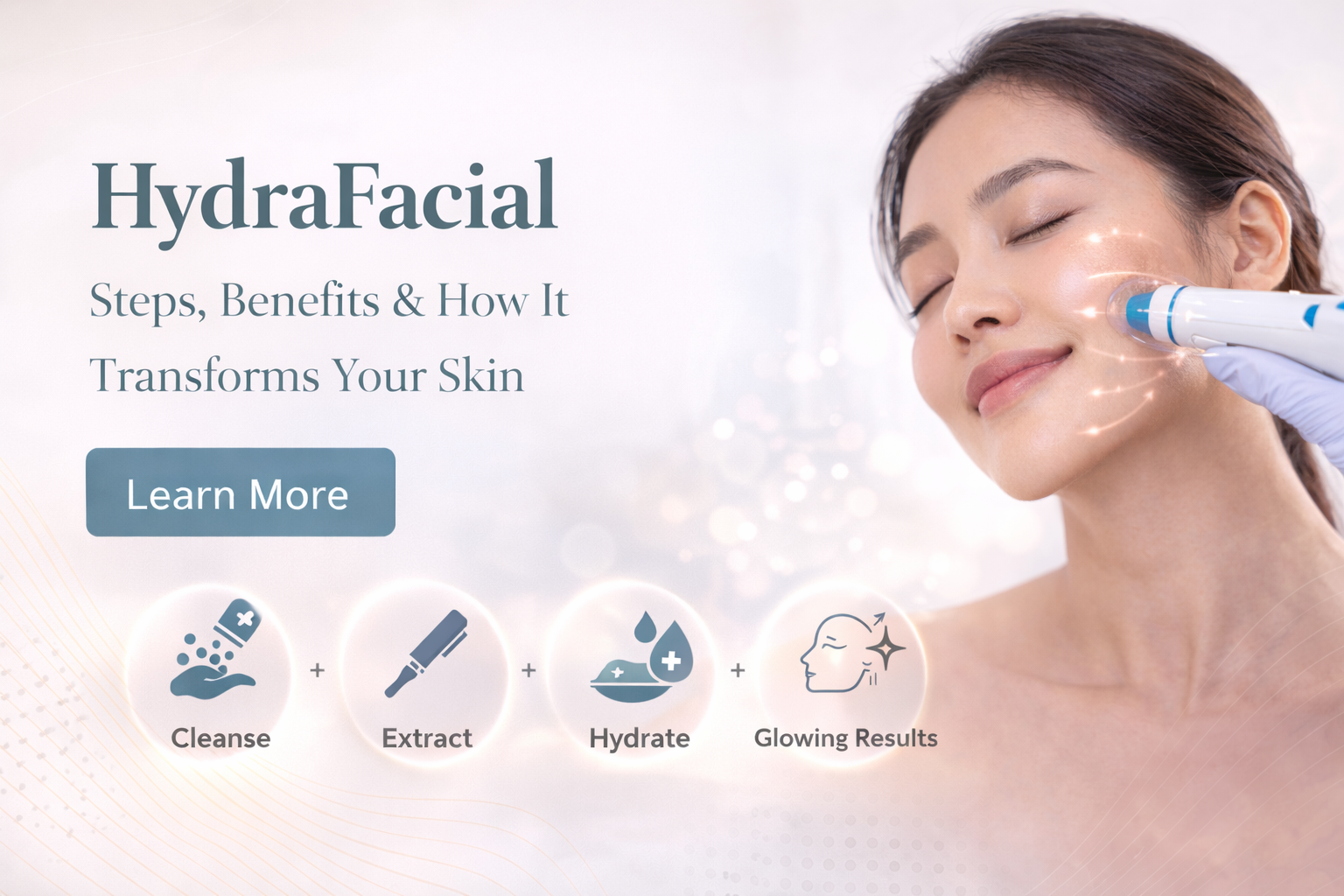
    HydraFacial is a non-invasive skin treatment that blends cleansing, exfoliation, extraction, and hydration into one smooth, efficient session. It is a patented device that uses vortex suction to pull out impurities while pushing in hydrating and nourishing serums.

    This curated protocol adapts to your skin’s real-time needs. As compared to traditional facials that focus on external appearance, Hydra-Facial treats your skin from within. Addressing concerns like pigmentation, blackheads, rough texture, or dehydration, the treatment works layer by layer.

    This treatment suits almost every skin type such as oily, dry, combination, or even sensitive and can be adjusted to specific concerns like acne, enlarged pores, or uneven tone. 

    The results are visible right after your first session, yet subtle enough to look natural.

    The Signature HydraFacial Steps: A Detailed Breakdown

    The entire process for HydraFacial is broken into precise, clinical stages that address both visible skin damage and the underlying causes behind it. Each phase targets a specific skin concern while preparing the skin for the next.

    Step 1: Cleansing and Exfoliation (Detoxification)

    This is where everything begins, the surface. Using a gentle exfoliating tip and cleansing serum, the aesthetician removes dead cells and surface debris. It’s like wiping the slate clean so your skin can better absorb what’s coming next. Your skin already begins to feel smoother and looks clearer within minutes of this stage.

    Step 2: Gentle Chemical Peel (Acid Peel)

    Don’t let the word “peel” scare you, this isn’t the kind that causes redness or flaking. A mild blend of glycolic and salicylic acids is applied to the skin to gently loosen dirt from deep inside your pores. It works quietly, without sting or burn, and opens the way for painless extraction in the next step.

    Step 3: Vortex-Extraction (Painless Extraction)

    This is where HydraFacial stands out. Instead of metal tools or painful squeezing, a gentle vacuum-like nozzle is used to suction out blackheads, excess oil, and congestion from the pores. Patients often compare this sensation to a soft pulling massage, it feels oddly satisfying and never harsh.

    Step 4: Hydration and Serum Infusion (Vortex-Fusion)

    Now that your skin is clean and open, it’s time to nourish it. This stage involves the infusion of potent serums containing hyaluronic acid, peptides, and antioxidants. These ingredients penetrate deep into the skin to restore moisture, reduce inflammation, and promote long-term skin health. You’ll feel your skin drinking it all in and it shows.

    Preparing for Your HydraFacial: Before Your Appointment

    To get the best out of your HydraFacial, your skin should be ready to receive it. Even though the procedure is gentle, a little preparation goes a long way. Think of it as prepping your canvas before painting. As this is a skin treatment that interacts with both the surface and deeper layers, following pre-care ensures you don’t waste the session’s potential.

    Here’s what to keep in mind:

    • Skip any harsh skincare products like retinoids, scrubs, or exfoliants for at least two days before your appointment.
    • Stay away from direct sun exposure or tanning beds for 72 hours prior.
    • Avoid shaving or waxing the treated area, especially on the day of your session.
    • Keep your skin hydrated with water and basic moisturiser, well-prepped skin absorbs active serums much better.

    If you’re currently on any oral or topical medication for acne or other skin conditions, inform your dermatologist or therapist during the booking.

    What to Expect During Your HydraFacial Session

    Most patients walk into the clinic with expectations of relaxation and walk out pleasantly surprised by the visible difference in their skin. A HydraFacial session combines clinical precision with spa-like calm and when performed under Leor Exclusive Treatments, it also includes an added layer of customisation based on your lifestyle and skincare history.

    The process begins with a thorough skin evaluation. Your therapist will examine texture, pore size, oil production, and hydration levels. Once the treatment starts, you’ll feel a series of cooling, gliding movements across your face  like a pen gently vacuuming the surface. Each step blends into the next so seamlessly, you may lose track of which phase you’re in.

    There’s no discomfort, no burning, and no waiting under machines. The entire session usually takes between 30 to 60 minutes, depending on whether you’ve opted for a basic or advanced protocol. You’ll leave the clinic with skin that feels cleaner, lighter, and visibly more hydrated.

    After Your HydraFacial: Post-Treatment Care and Recovery

    HydraFacial is often called a “lunchtime facial” for a reason. You can have it done during your break and still return to work without looking flushed or irritated. The recovery is barely noticeable, but a few light care tips can help you extend the glow.

    • Refrain from intense workouts, swimming, or hot showers for about 24 hours.
    • Use a mild cleanser for the next couple of days, avoiding scrubs or acids.
    • Do not apply makeup immediately after the session. Let your skin breathe.
    • Apply a good-quality sunscreen, even if you’re indoors. Your skin is newly exposed and needs protection.

    While minor redness may appear for a few individuals, it typically fades within an hour. If you notice anything unusual, reach out to your clinic for guidance.

    Why Choose a HydraFacial? Beyond a Regular Facial

    There are facials that feel good, and then there’s HydraFacial, a procedure that does more than just pamper. It is designed to bridge the gap between all facial treatments and clinical skin therapies. Whether you’re chasing a glow for your wedding, looking to reduce blackheads, or simply want to maintain healthy skin each month, HydraFacial adapts to the job.

    Its biggest strength is its versatility. It suits nearly every skin tone and condition. There’s no heat, no harsh scrubbing, and no chemicals that cause peeling. And unlike traditional facials that offer only surface-level effects, this one works deeper like clearing pores, smoothing fine lines, and restoring hydration from the inside out.

    Immediate and Long-Term Advantages of HydraFacial

    What You Notice Right Away

    Right after your HydraFacial session, the difference is not subtle. Your skin feels lighter, cleaner, and visibly fresher. Pores look smaller, the surface feels smoother, and hydration returns to areas that once felt dry or flaky. There’s a noticeable glow, but it does not look artificial or product-driven.

    What Improves Over Time

    When taken regularly, HydraFacial becomes a rhythm that your skin learns to thrive in. People often begin to see reduced breakouts, better oil control, fewer textural issues, and a more stable skin tone. The ingredients infused during each session, like hyaluronic acid, peptides, and antioxidants, continue to support the skin’s deeper recovery and strengthen its protective barrier. Fine lines begin to soften. Congestion does not return as quickly. And your skin feels less reactive to everyday triggers like sun, pollution, or long workdays.

    Expected Results and How Long They Last

    You will see visible results after just one session. The skin looks more polished, the tone appears even, and your face feels noticeably cleaner, all within the same day. These results usually stay for five to seven days depending on your skin type, weather, and how you care for your skin afterward.

    But lasting change comes with consistency. After three to four monthly sessions, the skin starts holding hydration more naturally and recovers faster from flare-ups or irritation. Breakouts reduce, the texture begins to feel more refined, and makeup (if you wear it) goes on more smoothly. With time, these changes settle into a new normal, one that doesn’t fade when the glow does.

    If you are looking forward to taking utmost benefit of the HydraFacial treatment, contact us for more guidance on the same.

    FAQs

    Q1. How is a HydraFacial done step by step?

    Ans. A specialised device gently cleanses the skin, loosens impurities, extracts buildup, and infuses customised serums. Each step flows seamlessly into the next, making the entire session feel smooth, efficient, and far more results-driven than a traditional facial treatment.

    Q2. What are the 6 stages of HydraFacial?

    Ans. The six stages include lymphatic drainage, exfoliation, mild chemical peel, extraction, hydration, and LED therapy. Together, they target fluid retention, pore congestion, uneven tone, and cellular repair, making it a more intensive protocol than the standard four-step version.

    Q3. What are the 5 basic steps of a facial?

    Ans. A classic facial usually includes cleansing, exfoliation, steaming, manual extraction, and a mask. These steps are designed to refresh the skin’s surface, stimulate circulation, and provide a short-term boost in appearance, often guided more by relaxation than clinical precision.

    Q4. Does HydraFacial remove tan?

    Ans. It does not directly remove sun tan but helps fade superficial pigmentation by gently exfoliating and delivering skin-brightening ingredients. With regular sessions, the complexion looks more even, and signs of sun exposure begin to soften without the need for harsh peels.

    Q5. Are there any HydraFacial side effects?

    Ans. HydraFacial is well-tolerated. In rare cases, mild redness or tightness may occur but usually settles the same day. There is no post-treatment flaking or irritation, which makes it suitable even for sensitive or treatment-naive skin types.

  • Understanding Permanent Hair Removal

    Understanding Permanent Hair Removal

    Hair removal is a relief from constant grooming, emotional frustration, and unwanted attention. Especially when it comes to the face, recurring hair growth can impact self-esteem, social comfort, and even professional confidence.

    A recent study in the Journal of Cosmetic Dermatology found that more than 58% of Indian women struggle with unwanted facial hair, often linked to hormonal changes or underlying medical conditions. And yet, most continue to rely on temporary fixes like threading, waxing, and shaving, none of which address the problem at its root.

    But permanent hair removal addresses these problems right from the roots. It’s not about vanity; it’s about freedom. Freedom from appointments, from tweezers, and from the constant worry about visible hair. But what does “permanent” actually mean and which methods genuinely work? Let’s break it down.

    Unwanted Facial Hair: Why It Happens

    Facial hair becomes more noticeable and sometimes distressing, when it grows darker, coarser, or faster than usual. Several reasons can lead to this:

    • Genetics play a major role. If female relatives have visible facial hair, there’s a higher chance you might experience the same.
    • Hormonal fluctuations, especially increased androgen levels, can stimulate facial hair growth. Conditions like PCOS are a major cause among young women.
    • Medications such as steroids, hormone therapy, or even some antidepressants may encourage thicker hair growth.
    • In rare cases, underlying health issues like adrenal disorders or insulin resistance can disrupt hormonal balance.

    Understanding the cause helps in choosing the most effective removal method, because treating symptoms without knowing the trigger is only a temporary fix.

    What Does “Permanent” Really Mean in Hair Removal?

    When clinics or professionals use the term “permanent hair removal,” they usually mean long-term, stable reduction in hair growth. It does not always imply total elimination of every hair strand forever. Instead, treated hair follicles either stop producing hair or grow back finer, softer, and lighter amd often barely visible.

    The science behind most permanent methods involves disabling the hair follicle at its root, either using light energy or electric currents. Once a follicle is destroyed, it cannot regrow hair.

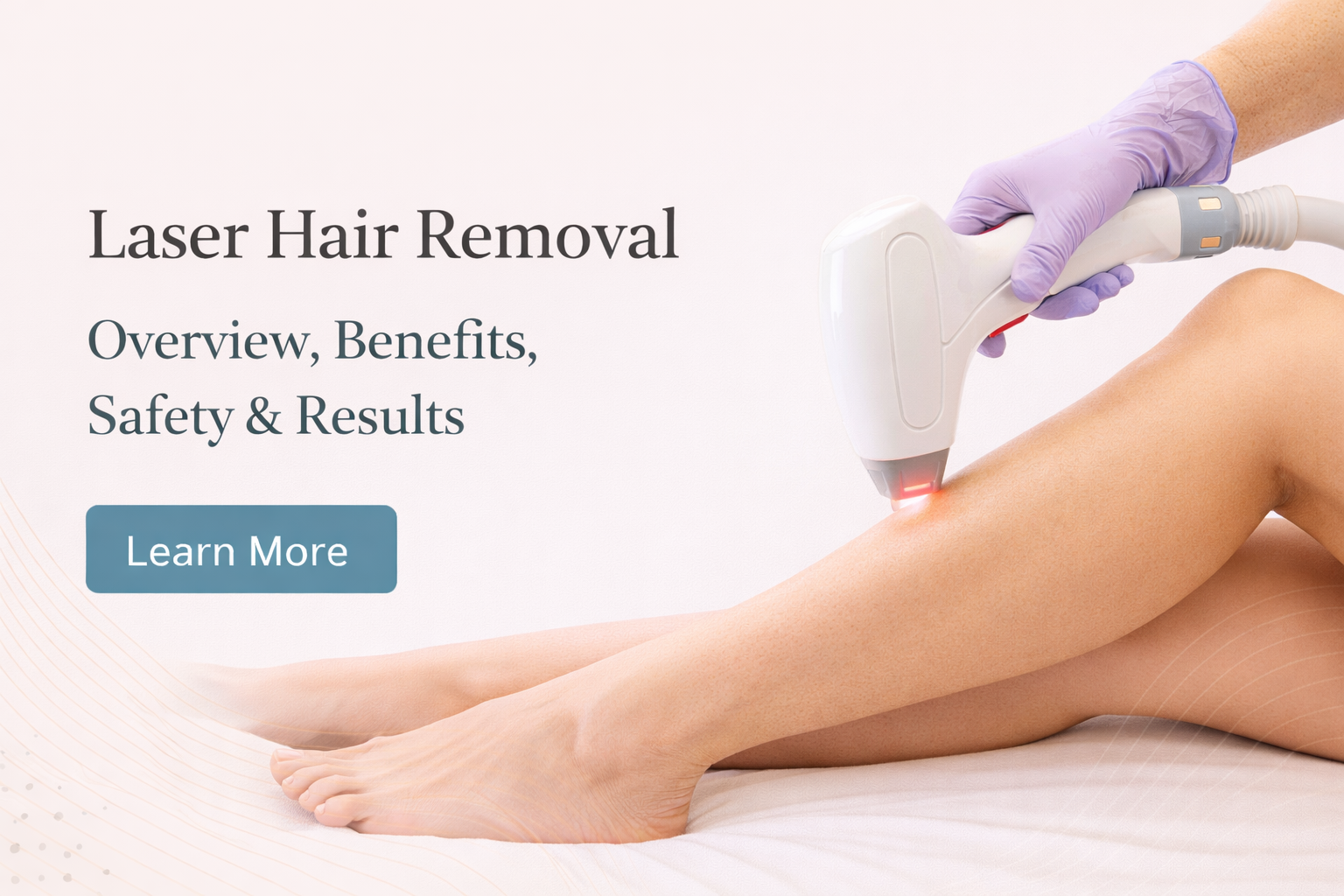
    Laser hair removal, for example, uses concentrated beams of light that target melanin (the pigment) inside the hair. This light heats the follicle, damaging it enough to prevent regrowth without harming surrounding skin. Multiple sessions are required because hair grows in cycles, and only active phase hairs respond to treatment.

    5 Ways for Permanent Facial Hair Removal

    When it comes to facial hair, precision and safety are critical. Here are the most effective, science-backed methods used by professionals for long-lasting or permanent results.

    1: Laser Hair Removal – How Light Targets Hair Follicles

    Laser hair removal uses highly focused light to penetrate the skin and reach the melanin inside your hair follicles. The pigment absorbs this light, heats up, and weakens the follicle to slow down future growth. With each session, hair becomes finer, lighter, and sparser.

    This method is particularly effective for individuals with dark hair and light to medium skin. However, newer technologies have expanded safety and effectiveness across a broader range of Indian skin tones. The process is fast, relatively comfortable, and works well on areas like the upper lip, chin, and sideburns.

    2: Electrolysis – The Only Truly Permanent Solution

    Electrolysis takes a different approach. It treats one follicle at a time by inserting a fine probe into the skin and delivering a controlled electric current directly into the follicle. This permanently destroys its ability to grow hair again.

    Unlike lasers, electrolysis does not rely on pigment, so it is suitable for all hair colours, including grey, blonde, and red and all skin types. Though sessions can be longer and require more precision, electrolysis is ideal for clearing small areas or targeting resistant hairs that lasers might miss.

    3: Intense Pulsed Light (IPL) – A Versatile Light-Based Option

    IPL looks similar to laser but uses broad-spectrum light instead of a single wavelength. This makes it more versatile for treating a combination of concerns such as unwanted hair, pigmentation, and uneven skin tone, in one go.

    The device emits multiple wavelengths that target the melanin in hair shafts. Over time, repeated pulses reduce hair density and thickness. IPL generally works best for people with fair to medium skin and dark hair. While it may require more sessions compared to laser, the added benefit of skin rejuvenation makes it a multi-purpose treatment.

    4: Professional Diode Laser Hair Removal – Precision for Darker Skin

    The Diode laser is particularly useful for Indian skin tones, as it delivers energy at a wavelength that penetrates deeper while bypassing surface melanin. This reduces the risk of burns, pigmentation, or scarring, the type of issues that can be common when inappropriate laser types are used on melanin-rich skin.

    Diode technology is also known for its speed and accuracy, making it efficient even for facial zones with dense or coarse hair. It is a preferred choice among professionals for medium to dark complexions seeking both effectiveness and safety.

    5: Combination Therapies – Tailoring Approaches for Stubborn Hair

    In many cases, a single treatment type may not offer complete results. That’s where combination therapies come in. For example, someone may start with laser sessions to reduce bulk hair and then move to electrolysis to target scattered regrowth.

    This approach is especially beneficial for individuals with hormonal imbalances like PCOS or for those who have already tried one method and seen limited results. By customising treatment plans based on hair behaviour and skin response, combination therapies often deliver the most thorough and lasting outcomes.

    Who is an Ideal Candidate for Permanent Facial Hair Removal?

    You are likely a good candidate if:

    • You have noticeable facial hair that causes distress or frequent grooming.
    • Your skin is free from infections, open wounds, or active acne in the area being treated.
    • You are not pregnant or breastfeeding (most clinics avoid procedures during this time).
    • You are medically cleared if you have conditions like PCOS, thyroid imbalance, or diabetes.
    • You are seeking a long-term solution rather than short-term removal like waxing or shaving.

    Before the Procedure Preparations

    To make sure your skin responds well to the treatment and heals smoothly, follow these essential pre-care steps:

    1. Avoid Waxing or Plucking: Do not wax, tweeze, or thread the treatment area for at least two weeks. These methods disturb the root of the hair, which is needed intact for laser or electrolysis to work effectively.
    2. You Can Shave if Needed: Shaving is usually allowed the day before your session. It keeps the hair root intact while preventing surface burns during light-based treatments.
    3. Limit Sun Exposure: Stay out of direct sunlight and avoid tanning beds for at least one week before your Leor appointment. Sun-exposed skin can be more sensitive and at greater risk of side effects.
    4. Pause Active Skincare Ingredients: Stop using products with ingredients like retinoids, AHAs, BHAs, or vitamin C a few days before your treatment. These can increase skin sensitivity and irritation risk.
    5. Stay Hydrated and Rested: Drink enough water, eat light if you’re prone to dizziness, and get a good night’s sleep. Well-hydrated, rested skin responds better to professional treatments.
    6. Come with a Clean Face: On the day of your appointment, arrive with freshly washed skin. Do not apply any makeup, creams, moisturisers, or sunscreen to the treatment area.

    Inform Your Specialist: Tell your provider about any medication, supplements, or medical conditions. This helps them choose settings and techniques that are safest for your skin.

    What to Expect During Your Permanent Facial Hair Removal Session

    You could be opting for laser, IPL, or electrolysis, most sessions are short and manageable. Here’s what typically happens during your appointment:

    1. Consultation Check: The technician confirms your skin condition, reviews your medical history, and adjusts the machine settings based on your hair and skin type.
    2. Skin Preparation: The area is cleansed, and in the case of laser or IPL, a cooling gel may be applied to enhance comfort and effectiveness.
    3. Treatment Begins:
      • Laser/IPL: You may feel a warm snapping or tingling sensation as the pulses of light are delivered.
      • Electrolysis: A brief sting or heat is common as each follicle is treated one by one.
    4. Cooling or Soothing: A calming gel, ice pack, or cool compress is applied immediately after to reduce any temporary redness or warmth.
    5. Post-Treatment Advice: You’ll be given specific care tips depending on the method used.

    The session ends quickly, and most people return to their day immediately, without any need to rest or hide indoors.

    Post-Treatment Care

    What you do after treatment can affect how well your skin heals and how long the results last. Follow these essential aftercare tips:

    • Avoid sun exposure for 48 to 72 hours. If stepping out, use a broad-spectrum sunscreen.
    • Skip saunas, steam, or hot showers for a day to prevent irritation.
    • Hold off on makeup or skincare products with active ingredients like retinol, AHAs, or vitamin C for 24 to 48 hours.
    • Do not scratch or scrub the treated area, even if it feels slightly dry or tight.
    • Apply a soothing gel such as aloe vera if you experience redness or warmth.
    • Stick to gentle skincare: Use a pH-balanced face wash and avoid exfoliating for at least three days.

    These steps ensure your skin remains calm and recovery is smooth between sessions.

    How Many Sessions Will You Need? Understanding the Hair Growth Cycle

    Hair grows in three phases:

    1. Anagen (active growth)
    2. Catagen (transition)
    3. Telogen (resting)

    Only hairs in the anagen phase respond to permanent removal methods, which is why multiple sessions are always necessary. Here’s a general breakdown:

    • Laser and IPL: Requires 6 to 10 sessions, spaced 4 to 6 weeks apart.
    • Electrolysis: Requires more sessions but targets each follicle permanently. Sessions can be weekly or biweekly at the start, then less frequently.

    Combination treatments: May follow a personalized schedule, depending on how your hair responds.

    Expected Results and Long-Term Maintenance

    The goal of permanent hair removal is significant, long-lasting reduction in both hair quantity and texture. After completing your recommended sessions:

    • Hair becomes finer, lighter, and less visible.
    • Regrowth is slower, and for many, almost negligible.
    • Any returning hair often appears in patches and can be treated quickly with touch-ups.

    You may need maintenance treatments once or twice a year, especially if hormonal fluctuations trigger regrowth. For individuals with PCOS, consistent management through both clinical and medical support improves long-term outcomes.

    Potential Side Effects and Risks of Permanent Hair Removal

    Most side effects are mild, especially when procedures are done by trained professionals. Some common and temporary reactions include:

    • Redness or swelling, lasting a few hours
    • Slight itching or tingling, especially in sensitive areas
    • Dryness or tightness of the skin post-procedure
    • Hyperpigmentation or burns, in rare cases, when improper laser settings are used on darker skin

    To avoid complications, always choose a licensed clinic like Leor Clinics with proper equipment and trained technicians. Following pre- and post-care instructions is equally important for safe results.

    FAQs

    Q1. Can facial hair be permanently removed?

    Ans. Yes, clinical treatments like electrolysis can destroy individual follicles completely. Laser hair removal can also offer long-term reduction, especially when sessions are done consistently. Both methods reduce the need for frequent salon visits or home-based hair removal routines.

    Q2. How can I stop my facial hair from growing?

    Ans. Facial hair growth can be slowed through professional treatments and, if needed, hormone-balancing therapies. Targeting the follicles with laser or electrolysis weakens their regrowth cycle. For some, managing internal causes like PCOS is key to maintaining smoother skin.

    Q3. How do Koreans remove facial hair permanently?

    Ans. Clinics in Korea often use advanced diode or Alexandrite laser systems combined with cooling technology. Treatments are customised to skin tone and hair type. Many also follow up with skincare that enhances smoothness, brightening, and long-term hair control.

    Q4. How to permanently remove facial hair at home?

    Ans. There is no proven at-home device that delivers truly permanent results. Most tools provide short-term hair reduction or thinning. For long-lasting outcomes, in-clinic treatments performed by dermatologists or trained aestheticians remain the safest and most effective approach.

    Q5. Is laser hair removal painful?

    Ans. Most people describe it as a quick warm flick or light snapping sensation. Areas with denser hair may feel more intense, but cooling tips and numbing gels are often used to make the process more comfortable throughout the session.

  • What is Face Lifting?

    What is Face Lifting?

    Facial aging is a gradual, biological process. It happens because the skin loses collagen and elastin, fat shifts from its original position, and bone structure changes. Over time, these internal changes show up as sagging skin, softer jawlines, and loss of firmness.

    You don’t need to jump straight to surgery to address these signs. Today, non-surgical treatments offer a way to support the skin’s structure, stimulate collagen, and improve facial contours. They don’t stop aging, but they can help slow down some of its visible effects.

    Read this blog to explore how facial sagging occurs, what non-surgical face lifting actually involves, and which options are best suited for different needs

    Understanding Facial Sagging: Why Skin Loses Its Lift


    Facial sagging is a layered process that involves several biological changes happening over time:

    • Collagen and elastin decline: Starting around age 20, your body produces about 1% less collagen each year. Elastin, which helps skin bounce back, also degrades with age and sun exposure. Together, this causes skin to lose firmness and elasticity.
    • Fat pad descent: In youth, fat pads in the face sit high, supporting smooth curves and volume. As we age, these pads shift downward, leading to hollowing under the eyes and heaviness around the lower face.
    • Bone reabsorption: The facial skeleton slowly shrinks and resorbs with age. This removes structural support, worsening the appearance of sagging skin and flattening the overall facial profile.

    What is Non-Surgical Face Lifting? A Modern Approach

    Non-surgical face lifting refers to a variety of minimally invasive treatments that help tighten skin, restore volume, and redefine contours, without surgery or extended downtime.

    These treatments include technologies like ultrasound (HIFU), radiofrequency (RF), dermal fillers, and neurotoxins (like Botox). They stimulate collagen production, support tissue structure, and relax specific muscles to subtly lift targeted areas.

    Rather than creating a dramatic transformation overnight, these approaches aim to work with your features, offering natural-looking results that unfold gradually over weeks or months. For those who want visible improvements without the intensity of surgery, this modern approach offers flexibility, safety, and customizability.

    Who is an Ideal Candidate for Non-Surgical Face Lifting?

    Non-surgical options are best for people with mild to moderate signs of aging, typically between the ages of 30 and 60. You may be a good candidate if :

    • You’ve noticed sagging around the jawline, brow, or cheeks, but your skin still has some elasticity.
    • You want results, but prefer a gradual improvement over drastic change.
    • You want to avoid the risks, costs, and recovery time associated with surgery.
    • You’re open to maintenance treatments to sustain long-term results.

    The ideal patient isn’t chasing perfection, they’re looking to refresh and restore their appearance in a way that still looks like them.

    Top Non-Surgical Face Lifting Options

    1. Ultrasound Lifting (HIFU, Liftera)

    Ultrasound-based face lifting uses focused sound energy to reach the deeper layers of your skin—stimulating collagen where it matters most. Unlike surface treatments, this works on the same structural layer that surgeons target during a traditional facelift.

    • You’ll feel a gentle warmth or mild tingling during the procedure.
    • There’s no downtime, and you can return to your day immediately.
    • Results start appearing over 6–8 weeks, with the full effect showing in 2–3 months.
    • Best suited for lifting the cheeks, neck, and brow.

    If you’re looking for a deep, long-lasting lift without a single incision, this is a reliable starting point.

    2. Radiofrequency (RF) Therapy (Exilis Ultra 360)

    RF treatments are great for firming and tightening skin, especially in areas with mild sagging. The technology works by safely heating your dermis, causing collagen fibers to contract while prompting your body to build new ones.

    • The treatment feels warm and soothing, some even find it relaxing.
    • You may need a series of 3 to 4 sessions for the best outcome.
    • Over time, you’ll notice firmer skin with better texture and subtle lift.
    • It’s ideal for softening fine lines and firming the jawline, cheeks, and neck.

    This method suits anyone who wants skin tightening without injections or downtime.

    3. Dermal Fillers

    As we age, our facial fat shifts downward and our bone structure changes. Fillers help replace lost volume and restore contour, giving your face a more lifted and youthful shape.

    • Results are visible immediately after treatment.
    • The procedure is quick, and most people return to work the same day.
    • Effects typically last 12 to 18 months.
    • Common areas include cheeks, temples, under-eyes, and jawline.

    When done with precision, fillers can provide lift, structure, and symmetry, without changing your natural expression.

    4. Botox-Based Lifts (e.g., Nefertiti Lift)

    Botox isn’t just for wrinkles. When injected into specific muscles, it can subtly lift facial features.

    • For example, relaxing downward-pulling muscles in the neck can improve jawline definition.
    • A brow lift can make the eyes look more open and alert.
    • You’ll see results in 3–5 days, with effects lasting about 3 to 6 months.
    • Best for subtle lifting in the upper face and neck.

    Botox lifts are great when used in combination with other treatments or on their own for gentle refinement.

    5. Combination Treatments

    Often, the most natural-looking results come from combining multiple techniques. Why? Because aging doesn’t affect just one part of the face. Here’s how a custom combo might look:

    • Use HIFU for deep tightening
    • Add fillers to restore volume
    • Use a touch of Botox to lift brows or relax heavy muscles
    • Include RF to improve texture and tone

    This layered strategy tackles sagging, hollowness, and texture together—leading to a more youthful yet natural appearance.

    Benefits of Non-Surgical Face Lifting

    Choosing non-surgical lifting doesn’t mean compromising on results. In fact, many patients prefer this route because it offers noticeable improvements without the stress or downtime of surgery. Here’s what makes these treatments such a popular choice:

    1. Minimal Downtime & Faster Recovery

    If you prefer subtle changes without stepping away from your everyday routine, non-surgical treatments are designed with you in mind.

    These procedures typically involve very little recovery, some redness or warmth that settles within a day or two. You’re not expected to take extended leave or alter your week. Whether you return to work or carry on with errands, you can do so with ease and confidence.

    2. Natural-Looking Results with Gradual Improvement

    You won’t be asked to explain a sudden change.

    These treatments work in harmony with your skin’s natural processes, helping you gradually regain firmness and definition. Results appear over a few weeks, allowing people around you to notice a fresh, well-rested version of you, without ever questioning what changed.

    3. Reduced Risks Compared to Surgery

    Understandably, many people wish to avoid the risks that come with surgical procedures.

    Non-surgical lifting techniques significantly reduce that concern. There are no incisions or general anesthesia involved, and the treatments are well tolerated with minimal side effects. When handled by skilled practitioners, the focus remains on safety, precision, and long-term skin health.

    4. Customizable and Adaptable Treatments

    Every face is different, and that is fully respected in non-surgical care.

    Treatment plans are adjusted as per to your specific skin concerns, whether that’s early signs of sagging, volume loss, or subtle changes you’ve recently noticed. Over time, your plan can evolve with your needs, ensuring that your results continue to feel authentic and in tune with your natural features.

    Post-Treatment Care & Recovery Time

    Your skin has just begun a gentle journey of renewal. Taking care of it during this phase is not just a routine but a way of supporting the results you’ve chosen for yourself. Here’s how you can nurture it, calmly and kindly.

    Keep Your Skin Clean and Comforted
    Your skin has just been through a meaningful shift. It does not need scrubs or steam, just your fingertips and a gentle, fragrance-free cleanser. Wash with lukewarm water and press your skin dry with a soft towel. Follow with a lightweight moisturizer that soothes without overwhelming. If your provider recommended a healing cream, treat it like medicine, consistently and gently applied.

    Protect It from the Sun
    Your skin may be more sensitive to sunlight after the treatment. Apply a broad-spectrum sunscreen every morning, regardless of whether you’re indoors or stepping out briefly. If you plan to go outside, consider wearing a wide-brimmed hat and seeking shade whenever possible.

    Let Your Skin Rest Fully
    Try to avoid any intense workouts, heavy lifting, or activities that cause excessive sweating for at least 48 hours. These can increase inflammation or prolong mild swelling. Your skin will thank you for the rest.

    Ease Swelling with Care
    It’s common to experience slight puffiness or redness after your treatment. A clean, cool compress can help ease these symptoms. Apply it gently to the treated area for short intervals, and keep your head elevated while sleeping to encourage proper circulation and reduce fluid retention.

    Be Gentle with Makeup
    Give your skin at least a day or two before reaching for concealer or foundation. When you do, choose gentle, non-comedogenic products and avoid applying pressure to your skin. When it’s time to remove it, use a soft cleanser and avoid rubbing or tugging.

    Nourish from Within
    Every glass of water helps rebuild what your skin has released. Pair hydration with nourishing meals that support tissue repair, think leafy greens, bright fruits, and simple proteins. What you skip is just as important: say no to salty snacks, alcohol, and cigarettes for now.

    Stay in Touch with Your Provider
    If something feels off or you’re unsure about any symptoms, don’t hesitate to get in touch with your treatment provider. They know your case and can give you the reassurance or adjustments you may need.

    How Long Do Non-Surgical Face Lifting Results Last?

    One of the most common questions about non-surgical face lifting is how long the results actually last. While these treatments are not permanent, they offer noticeable improvements that can be maintained with consistency and care.

    A Realistic Timeline
    In most cases, you can expect results to last anywhere from a few months to two years. This depends on the type of procedure you choose and how your skin responds. These treatments don’t stop time, but they do gently turn back the clock in a way that looks natural and feels reassuring.

    Treatment Durations at a Glance

    • Botox: Results typically last between 3 to 4 months.
    • Dermal Fillers: Depending on the product and treatment area, results can remain for 6 months to 2 years.
    • Thread Lifts: Often hold their lifting effect for 1 to 2 years.
    • Ultrasound or Radiofrequency-Based Treatments: Treatments like HIFU or RF microneedling can maintain results for 12 to 24 months as they stimulate deep collagen production.

    What Affects How Long Results Last
    Each person’s skin is different. Factors such as age, skin type, lifestyle habits, and even your metabolism play a role. Someone who follows a good skincare routine, protects their skin from the sun, and stays hydrated may enjoy longer-lasting results than someone who doesn’t.

    Why Maintenance Matters
    Touch-up sessions help prolong and even enhance your results over time. Many people find that a gentle, regular maintenance plan keeps their skin looking consistently refreshed. 

    Modern face lifting is no longer an all‑or‑nothing decision between living with sagging skin or undergoing major surgery. A carefully planned, non‑surgical program can rebuild collagen, restore youthful curves, and keep downtime to a long weekend at most. 

    The next step is a personalised consultation at Leor Clinics, where our qualified practitioner maps your aging pattern and designs a lift strategy as unique as your face.
    Book an appointment and feel the difference subtle, expert care can make.

    FAQs

    Q1: Do face lifting treatments work?
    Ans. Absolutely. Both research and patient experience consistently show that face lifting treatments can visibly tighten skin, enhance texture, and bring back natural definition, especially when treating early to moderate signs of sagging.

    Q2: What is a good age to get a facelift?
    Ans. For surgical facelifts, many consider it around the mid-forties and beyond. But if you’re in your thirties and noticing early signs of aging, non-surgical treatments can offer a preventative, subtle lift without going under the knife.

    Q3: Can I lift my face naturally?
    Ans. While facial exercises may help with muscle tone, they can’t rebuild lost collagen. When paired with healthy habits and collagen-stimulating treatments, you’re more likely to see lasting and noticeable lift.

    Q4: What is face lifting treatment?
    Ans. It refers to any method, surgical or non-surgical, that helps lift, tighten, and reshape the face. From ultrasound and radiofrequency to fillers and traditional surgery, each option works toward restoring youthful facial contours.

  • Dark Lips (Lip Hyperpigmentation)

    Dark Lips (Lip Hyperpigmentation)

    Notice your lips looking darker than usual: maybe patchy, dull, or uneven in tone? You’re not overthinking it. This condition is more common than most people realize.

    Sometimes it’s sun exposure. Sometimes it’s smoking, allergies, hormones, or even that new lip balm that promised moisture but delivered irritation. And sometimes, it just happens without warning.

    Dark lips aren’t a flaw, but they do showcase a sense of off-balance. And from an aesthetic sense it bothers many people. But rest assured since there are ways to understand, manage, and treat it. Read this blog to understand how this journey will unfold.

    What Are Dark Lips?

    Dark lips refer to a condition where the lips appear noticeably darker than their natural tone due to increased melanin production. This discoloration, medically known as lip hyperpigmentation, is one of the most common aesthetic concerns affecting individuals of all skin types.

    The discoloration can appear in small zones or cover the full lip surface. Some notice a shadow at the corners, while others experience a more widespread dullness. In either case, it often signals an underlying change, be it lifestyle, hormonal, environmental, or cosmetic.

    What makes lips more vulnerable than other areas of skin is their structure. They’re thin, almost translucent, and lack oil glands. Which means they get dried out faster and react more visibly to stressors like sun exposure, allergies, or dehydration.

    This makes them a kind of “first responder” in your skincare story. When something’s off, internally or externally, your lips often show it first.

    Common Causes of Dark Lips: Why Does It Happen?

    Darkening of the lips often begins as the skin’s early response to internal imbalances or external exposure. But what exactly sets it off? These are some of the most frequent causes.


    1. Sun Exposure
    Your lips are often exposed to the sun, but rarely protected. UV rays stimulate melanin, which leads to darkening, especially on the lower lip.

    2. Smoking
    Nicotine and tar don’t just damage your lungs, they stain your lips and restrict blood flow, making the lips appear dull, greyish, or brown.

    3. Dehydration
    When your body is low on water, your lips show it. Dryness and cracking can invite hyperpigmentation over time.

    4. Allergic Reactions
    Lip balms, toothpaste, lipstick, and even some foods can trigger contact dermatitis, which leads to inflammation and pigment changes.

    5. Hormonal Changes
    Pregnancy, menopause, or hormonal birth control can trigger melasma, a condition that causes pigmentation around the mouth and lips.

    6. Vitamin Deficiencies
    A lack of Vitamin B12, iron, or folate can cause discoloration, not just in your skin but also on your lips.

    7. Medical Conditions
    Conditions like cyanosis (low oxygen), hemochromatosis (iron overload), or lupus can lead to changes in lip color. If pigmentation comes on suddenly or with other symptoms, consult a healthcare provider.

    8. Genetics
    Sometimes, darker lips are simply hereditary. If your family naturally has more melanin, that might reflect in your lip tone.

    9. Poor Lip Care
    Skipping exfoliation, using expired lip products, or not moisturizing enough can build up dead cells and damage, which over time leads to discoloration.

    Professional Treatments to Lighten Dark Lips

    While basic care helps prevent further pigmentation, professional treatments can actively reverse deeper discoloration. And the following list of treatments can surely help for this emerging concern:

    1. Chemical Peels for Lip Lightening

    Gentle chemical exfoliation can be surprisingly effective when pigmentation sits closer to the surface. Mild acids such as glycolic, mandelic, or lactic are applied in controlled doses to encourage the lips to shed damaged skin cells and make way for fresh, healthier layers.
    Sessions are usually brief and spaced out over a few weeks. Over time, this process helps restore natural lip tone without harsh bleaching. Most people experience only minor peeling or dryness for a day or two, making downtime minimal and manageable.

    2. Laser Toning for Dark Lips

    When pigmentation runs deeper or appears patchy, targeted laser therapy comes into play. Devices like Q-Switched Nd:YAG deliver energy bursts that disrupt melanin clusters without affecting surrounding tissue. The light travels beneath the skin’s surface to safely break down pigment over time.
    Results don’t show up overnight. A gradual brightening typically unfolds across 3 to 6 sessions. Sensations during treatment are mild (some warmth or light tingling) but the procedure is generally well-tolerated. Laser toning pairs especially well with topical agents for long-term improvement.

    3. Microneedling with Serums

    This method takes a two-pronged approach: first, it uses ultra-fine needles to create microscopic entry points in the lips; second, it delivers brightening serums like Vitamin C, kojic acid, or tranexamic acid directly into the layers that need them most.
    Beyond pigmentation, microneedling improves lip texture, circulation, and overall hydration. It’s a go-to choice for those who’ve tried home remedies with little to show. Most describe the discomfort as minimal, and any redness or swelling fades quickly.

    4. Topical Depigmenting Agents (Clinic-Prescribed)

    Prescription creams aren’t over-the-counter fixes—they’re targeted tools best used under expert guidance. Dermatologists may recommend actives like hydroquinone, arbutin, kojic acid, or retinoids based on your skin type and pigmentation depth.
    These creams are typically applied in small amounts, sometimes alongside other treatments like peels or lasers. Because the lips are more sensitive than other areas, precision matters. Overuse can lead to irritation, so professional supervision is key.

    At-Home Care & Prevention for Dark Lips

    At-home care doesn’t demand a big portion in your wallet. What it does warrant is your commitment towards your small daily habits, which later make the biggest impact.

    1. Consistent Sun Protection: Your First Line of Defense

    Use a broad-spectrum lip balm with SPF 30 or higher. Apply it every day, even indoors if you sit by a window. UV exposure is a major cause of lip pigmentation and one of the easiest to prevent. For extended protection, don’t forget to reapply every 2–3 hours if you’re outdoors.


    2. Hydration & Moisturization: Keeping Lips Healthy

    Lips dry out faster than the rest of your face. Keep them soft and cared-for by:

    • Drinking enough water
    • Using a hydrating lip balm with ceramides, shea butter, or glycerin
    • Avoiding licking your lips (it dries them further)

    3. Lifestyle Adjustments: What to Avoid

    Sometimes, managing pigmentation is just about cutting out the triggers.

    • Quit smoking if possible. It makes a visible difference within weeks.
    • Reduce caffeine and drink more water to improve circulation.
    • Choose hypoallergenic lip products and avoid harsh fragrances, menthol, or cinnamon.
    • Check expiry dates on your lipsticks, glosses, and balms.

    Expected Results and Treatment Duration

    If you’re going the professional route, know this: results take time, but they’re worth it.

    Depending on your chosen treatment and the severity of pigmentation, visible changes usually appear after 3 to 6 sessions. Most dermatologists space sessions about 2 to 4 weeks apart, giving your lips time to heal and respond.

    In between sessions, what you do at home matters just as much. Using sunscreen, following aftercare, and avoiding triggers will help maintain results.

    No treatment gives overnight results, but gradual improvement is more sustainable and safer for delicate skin like your lips.

    Potential Side Effects and Aftercare

    Your lips don’t get a break. From sips of coffee to spicy meals, weather shifts to lipstick layering, they face it all. So when you undergo a treatment to lighten pigmentation, it’s only fair to give them the care they’ve long deserved.

    While non-invasive treatments for dark lips are gentle, they’re still nudging your skin to renew. This might cause a few temporary changes:

    • Mild dryness or peeling, especially after peels or microneedling
    • Slight swelling or warmth around the treated area
    • Flaking or tightness, often a sign your skin is turning over

    These are not red flags, they’re part of your lips’ natural healing rhythm. But how you care for them during this time can make all the difference.

    What your lips need right after treatment:

    • Skip lipsticks, glosses, or tinted balms for a day or two. Let the skin breathe.
    • Stick to a derm-recommended healing balm to restore comfort and moisture.
    • Keep spicy foods, smoking, and caffeine on hold temporarily—they can sting or slow down recovery.
    • Stay indoors if possible, or wear an SPF 30+ lip balm religiously when outside.
    • If peeling begins, don’t pick. Let the skin shed on its own terms.

    It’s in your best interest if you treat this checklist but as a small thank-you gesture to your lips. They go through a lot, and a little patience now sets the stage for softer, healthier, more even-toned lips ahead.

    If you’re concerned about persistent dark tint on your lips, Leor Clinics is here to help. Our expert-backed, in-office treatments are designed to address lip pigmentation safely and effectively.

    Book an appointment today and take a step toward brighter, healthier lips with the support of professionals who genuinely care. You deserve thoughtful care, and we’re glad to provide it.

    FAQs

    Q1. What causes lips to turn dark?
    Ans. Several everyday triggers like sun exposure, nicotine use, lack of hydration, and certain allergies can deepen your lip tone. In some cases, internal factors such as hormones or deficiencies quietly contribute to the change.

    Q2. How can I remove dark lips?
    Ans. Improving lip color involves a mix of care and consistency. Professional treatments, when combined with sun protection and regular moisturization, gradually help lips return to a more even, healthier shade.

    Q3. Can black lips turn pink again?
    Ans. Yes, they often can. With the right treatments and some lifestyle shifts, the deeper tone can soften over time, allowing the natural pink hue to resurface more clearly.

    Q4. How can I reduce the blackness around my lips?
    Ans. Begin by identifying irritants in your skincare or makeup. Follow that up with sun protection, nourishing lip balms, and if needed, professional support to lighten the area safely.

    Q5. Are dark lips unhealthy?
    Ans. Not necessarily. In most cases, darkening is harmless and cosmetic. However, if the color shift is sudden or accompanied by other symptoms, it’s always best to seek a medical opinion.

  • Glass Skin: The Korean Skincare Philosophy Behind the Glow

    Glass Skin: The Korean Skincare Philosophy Behind the Glow

    For eons, people have admired the seemingly flawless skin of Korean celebrities. Their skin doesn’t just look healthy; it practically beams with hydration and clarity. This captivating finish has a name now – Glass Skin. And it’s not just a trend. It’s a philosophy rooted in balance, discipline, and a deep understanding of skincare. 

    A Glass skin reflects how well your skin is cared for, inside and out. Let’s explore how you can achieve Korean glass skin through professional support and at-home care.

    What is “Glass Skin”? Decoding the Korean Beauty Trend

    Glass skin means a complexion that is so hydrated, even-toned, smooth, and poreless that it looks almost translucent, like glass. It is not about achieving a fairer skin tone. Instead, it’s about skin that reflects light effortlessly because of its moisture-rich texture and uniformity.

    Originating from Korean skincare glass skin routines, this trend soon became a global skin requirement for young and old individuals. 

    People started asking: What do they do differently? And the answer lies in consistency, layering, and combining modern treatments with traditional skin rituals. 

    While this trend became famous due to social media, its core reflects an age-old Korean belief: beautiful skin starts with healthy skin.

    The Core Principles: Hydration, Smooth Texture, and Radiance

    The glass skin look is achieved when your skin balances three main qualities:

    Hydration
    Well-hydrated skin appears plump, soft, and fresh. It reflects light evenly, which gives it that natural glow. Without enough moisture, skin looks dry and dull and the glass-like effect is lost.

    Smooth Texture
    To look like glass, your skin surface needs to be even. Bumps, rough patches, or dead skin cells make the skin appear uneven and scatter light. A smooth surface helps light bounce off cleanly, creating a clear and refined look.

    Radiance
    Radiant skin looks healthy and bright and not oily or shiny. It has a soft glow that comes from even skin tone, good circulation, and reduced pigmentation. Radiance gives your skin that ‘lit-from-within’ finish.

    Achieving these three pillars calls for a glass skin routine that includes layers of hydration, regular exfoliation, and skin-strengthening ingredients. But for long-term results, the journey often starts at a skin clinic.

    Multi-Layered Approach to Glass Skin

    Achieving Korean glass skin involves a combination of approaches, each targeting different layers and concerns of your skin. While a consistent home routine sets the foundation, professional treatments help you correct, refine, and accelerate the process where at-home care might fall short.

    1. Achieving Glass Skin Through Professional Treatments

    Professional treatments play a critical role in any advanced glass skin regimen. They work at a deeper level by tackling stubborn pigmentation, enlarged pores, texture irregularities, and hydration loss. According to recent insights, 60% of individuals who successfully achieve glass skin include clinical procedures in their journey, not just products. These treatments help restore skin health from the inside out, giving your efforts faster and longer-lasting results.

    2. HydraFacial: The Foundation for Hydrated, Clear Skin

    HydraFacial is often the first step in a Korean glass facial plan. Its multi-step approach includes gentle cleansing, exfoliation, vacuum-assisted extraction of clogged pores, and infusion of deeply hydrating serums. Unlike traditional facials, HydraFacial is non-invasive yet highly effective, boosting skin moisture by up to 70% after a single session. This leaves your skin instantly plump, smooth, and receptive to skincare, an ideal base for building toward that translucent glass-like finish.

    3. Chemical Peels: Refining Texture and Boosting Radiance

    Chemical peels are a trusted method to improve skin tone and texture. When performed professionally, gentle peels using AHAs (like glycolic acid) or BHAs (like salicylic acid) help remove dull, damaged skin layers. Over multiple sessions, they reduce pigmentation, smooth rough patches, and brighten your overall complexion. In Korean skin care glass skin routines, exfoliation is of utmost importance and peels deliver that glow without aggressive abrasion.

    4. Microneedling: For Pore Refinement and Collagen Production

    Microneedling works by creating micro-injuries in the skin using fine needles. This process triggers your body’s natural healing response, leading to a significant boost in collagen and elastin. These proteins are essential for skin firmness and smoothness. With 3–4 sessions, visible improvements can be seen in pore size, acne scars, and overall texture. For anyone aiming for the refined, poreless look of Skinglass, microneedling is a highly recommended step.

    5. Laser Treatments: Targeting Pigmentation

    Pigmentation can disrupt the clear, even tone needed for glass skin treatment. Laser technologies like Q-Switch are effective in breaking down excess melanin and fading dark spots over time. These skin treatments are precise, safe, and especially helpful for those with deep or stubborn pigmentation, often seen in Indian skin tones. The result is a visibly clearer and more uniform canvas.

    6. Dermal Fillers: For Seamless Smoothness

    While not always required, dermal fillers can enhance your glass skin results when used strategically. Small amounts of hyaluronic acid-based fillers are injected into areas with minor indentations, post-acne marks, or uneven texture. This subtle correction helps achieve a seamless, polished finish. In high-end Korean glass facial protocols, fillers are used as the final step, not for volume, but for precision in texture correction.

    At-Home Skincare Ritual for Glass Skin

    Professional treatments can accelerate results, but long-lasting skin health is sustained at home. Daily care plays a major role in supporting clinical outcomes. So, how do you maintain that Korean glass facial glow at home?

    Essential At-Home Skincare Steps for Glass Skin

    Building a glass skin night routine isn’t about expensive products. It’s about layering the right ones consistently.

    1. Double Cleansing – Start with an oil-based cleanser to remove sunscreen and impurities. Follow up with a gentle foam or gel cleanser.
    2. Toning – Use a hydrating toner to prep your skin for better absorption.
    3. Essence – The heart of the Korean skin care glass skin ritual. Essences hydrate and prepare the skin for serums.
    4. Serums – Focus on targeted concerns like pigmentation, dryness, or fine lines.
    5. Moisturizer – Seal in hydration with a nourishing, non-comedogenic moisturiser.
    6. Sun Protection (AM only) – The most underrated hero. SPF is crucial to prevent damage and preserve the glow.

    Repeat nightly (without SPF) for an effective glass skin night routine. In the long run, discipline wins.

    Key Ingredients to Look for in Your Skincare Products

    Your product’s ingredient list speaks volumes. These are some of the most effective ingredients in a Korean glass skin routine naturally at home:

    • Hyaluronic Acid: Known for its ability to hold water, this ingredient helps keep your skin hydrated, soft, and plump. It works well for most skin types and supports that fresh, dewy appearance.
    • Niacinamide: A form of Vitamin B3, niacinamide helps even out skin tone, reduces the look of enlarged pores, and strengthens the skin barrier over time.
    • Ceramides: These are naturally found in your skin and play a key role in keeping it protected and moisturized. If your skin often feels dry or sensitive, ceramides can help restore balance.
    • Vitamin C: An antioxidant that supports brightness and helps with discoloration. Regular use can improve overall skin tone and protect against environmental stress.
    • AHAs and BHAs: These gentle acids (like glycolic, lactic, or salicylic acid) exfoliate dead skin cells, helping to smooth texture and reduce dullness. They’re especially useful if you’re looking to refine your skin surface gradually.

    Combining these in a balanced glass skin regimen leads to remarkable results over time.

    Diet and Hydration: Fueling Your Skin from Within

    It’s not just about what you apply on your face. What you consume reflects on your skin too.

    A skin-friendly diet includes:

    • Antioxidants – Berries, dark chocolate, green tea.
    • Healthy Fats – Nuts, avocados, and olive oil.
    • Vitamins A, C, and E – Carrots, citrus fruits, and seeds.
    • Plenty of Water – Aim for at least 2.5 to 3 litres a day.

    Ready to begin your journey to crystal-clear skin?

    Book an appointment with our skincare experts who understand the science behind glow and the art behind care.

    Leor Clinics offers advanced Korean glass skin treatments and holistic guidance to bring your skincare goals within reach. You could be starting fresh or looking to upgrade your current regime, we are prepared to help your skin thrive.

    FAQs

    Q1: How can I get glass skin?
    Ans. Start with consistent at-home care including double cleansing, layering hydrating serums, and protecting your skin with SPF. For faster results, combine it with clinical treatments like HydraFacial, peels, or laser therapies.

    Q2: Can Indian skin get glass skin?
    Ans. Absolutely. The goal of glass skin is healthy, clear, and hydrated skin  and not fairness. Treatments are easily customisable for Indian skin tones and textures.

    Q3: What does glass skin mean?
    Ans. Glass skin means a complexion that looks smooth, clear, hydrated, and so even that it reflects light that is similar to glass. It’s not oily or sweaty, just intensely nourished and healthy.

    Q4: How to get 100% clear skin?
    Ans. Total clarity depends on genetics, lifestyle, and routine. While perfection isn’t always possible, consistent skincare, a healthy diet, and professional support can get you close.

    Q5: Is Korean glass skin possible?
    Ans. Yes, with the right blend of professional treatments and a disciplined Korean glass skin routine naturally at home, anyone can get skin that is luminous, balanced, and beautifully healthy.

  • Hyperpigmentation: Comprehensive View

    Hyperpigmentation: Comprehensive View

    Sometimes your skin changes in ways you don’t expect.
    – A spot that stays longer than usual
    – A patch that looks a little darker, 
    – Or a tan that doesn’t quite fade evenly.

    Over time, these small shifts can add up and leave your complexion looking uneven or dull. If you’ve noticed these developments on your skin, you’re not alone. Read this blog to understand why this kind of skin discoloration happens, what it means for your skin’s health, and how you can treat and manage it with confidence. 

    What is Hyperpigmentation? Defining Skin Discoloration

    Hyperpigmentation occurs when certain areas of the skin become darker than the surrounding tissue. This darkening is caused by an overproduction of melanin, the natural pigment that gives color to your skin, eyes, and hair. The condition often appears as spots, patches, or uneven tone, and is especially common on parts of the body exposed to the sun, such as the face and hands. While it does not usually pose a medical risk and can be treated with proper steps, it can still affect the skin’s overall appearance and texture if left unchecked for a long time.

    The Science Behind Dark Spots: Melanin, Melanocytes, and Triggers

    To truly understand skin pigmentation, we need to zoom in on two critical components: melanin and melanocytes. Melanin is the pigment that determines your natural skin color. It’s produced by cells called melanocytes, which are located in the basal layer of the epidermis.

    Under normal conditions, melanocytes produce just enough melanin to maintain a consistent skin tone. However, when triggered by certain factors like sun exposure, inflammation, or hormonal changes, these cells can go into overdrive, creating more melanin than needed. This leads to hyper pigmented areas or patches.

    Triggers include:

    • UV radiation: stimulates melanin production as a protective response.
    • Hormonal changes: affect melanin synthesis, especially in conditions like melasma.
    • Skin trauma or inflammation: post-acne healing often results in post inflammatory hyperpigmentation.

    Melanin’s protective role is essential, but overproduction results in noticeable skin discoloration that often becomes a cosmetic concern.

    Common Causes of Hyperpigmentation

    1. Sun Exposure: The Primary Culprit

    The number one cause of uneven skin pigmentation is exposure to ultraviolet (UV) rays. When your skin absorbs UV light, melanocytes respond by producing more melanin as a defense mechanism. While this helps prevent DNA damage, it also results in visible dark spots, commonly called sunspots or age spots.

    People who spend significant time outdoors without proper sun protection are more prone to pigmentation on face, especially on the forehead, cheeks, and nose.

    2. Post-Inflammatory Hyperpigmentation (PIH): After Acne, Injury, or Inflammation

    Post-inflammatory hyperpigmentation is another prevalent form. It occurs after the skin experiences trauma such as:

    • Acne breakouts
    • Eczema or psoriasis flare-ups
    • Cuts, burns, or harsh cosmetic procedures

    The affected skin produces excess melanin as part of the healing process, resulting in brown, red, or black spots that linger long after the initial issue has resolved. PIH is particularly common in deeper skin tones and can be emotionally distressing, especially when it appears in visible areas.

    3. Hormonal Hyperpigmentation (Melasma): The “Mask of Pregnancy”

    Melasma is a specific type of hyper pigmented condition triggered by hormonal fluctuations. It often manifests as symmetrical brown or grayish-brown patches, particularly on the cheeks, forehead, and upper lip.

    This condition frequently occurs during pregnancy, earning it the nickname “the mask of pregnancy,” but it can also be caused by oral contraceptives and hormone replacement therapy. Sun exposure significantly worsens melasma, making sunscreen a critical part of skincare for hyperpigmentation in these cases.

    4. Other Causes: Medications, Genetics, and Lifestyle Factors

    Every set of dark spots can’t be blamed on the sun or hormones. Some lesser-known contributors include:

    • Certain medications like antimalarials and chemotherapy drugs
    • Genetic predispositions to uneven skin pigmentation
    • Nutritional deficiencies, especially B12
    • Underlying medical conditions such as Addison’s disease

    Professional Treatments for Hyperpigmentation

    While home remedies may offer minor relief, clinical treatments provide more substantial and lasting results. Here’s how modern dermatology tackles hyper pigmented skin:

    1. Chemical Peels: Exfoliating Away Dark Spots

    A Chemical Peel is a dermatologist-administered treatment where a chemical solution is applied to exfoliate the skin’s top layers. As dead skin cells slough off, new skin emerges, often lighter and more even-toned. This process accelerates cell turnover and helps fade dark spots on face.

    A chemical peel for hyperpigmentation can range from mild (superficial) to intense (deep), depending on your skin type and severity of discoloration. Results become visible after multiple sessions, and mild peeling or redness is normal during recovery.

    2. Laser and Light Therapies (e.g., Q-Switch Laser, IPL): Targeting Pigment Precisely

    Laser treatments like Q-Switch and Intense Pulsed Light (IPL) work by targeting the melanin pigment directly. The laser energy breaks down pigment particles, which are then removed by the body’s natural processes.

    These procedures are particularly effective for treating skin pigmentation caused by sun damage or age spots. While you may feel a slight snapping sensation, numbing creams can reduce discomfort. Multiple sessions are often needed for optimal results.

    3. Microneedling with Serums: Enhanced Pigment Reduction

    Microneedling uses tiny needles to create controlled micro-injuries in the skin, stimulating collagen production. When paired with brightening serums like Vitamin C, tranexamic acid, or growth factors, the treatment penetrates deeper, improving texture and fading discoloration.

    This minimally invasive procedure is gaining popularity for its ability to treat not just hyperpigmentation, but also acne scars and dullness. It is especially effective when combined with targeted skincare routines.

    4. Topical Prescription Agents (Hydroquinone, Retinoids): Powerful Solutions

    Dermatologists often prescribe creams containing hydroquinone for hyperpigmentation, retinoids, or azelaic acid to regulate melanin production and speed up cell turnover. These agents are effective but must be used under medical supervision to avoid side effects like irritation or rebound pigmentation.

    When used correctly, they can dramatically reduce pigmentation on face. In-clinic treatments like Hydra-Facial can further support these topicals by deeply cleansing and preparing the skin for better absorption.

    5. Glutathione IV Drip: A Systemic Approach to Brightening

    Glutathione is a powerful antioxidant that reduces melanin production and improves skin tone from within. Administered as an IV drip, it offers a systemic solution for dull, hyper pigmented skin.

    Though more research is needed on long-term effects, many patients report a visible brightening of their complexion after several sessions.

    Living with Hyperpigmentation: Expectations & Maintenance

    Hyperpigmentation does not resolve with a single intervention. Its management depends on multiple variables, including pigment depth, skin type, and treatment consistency. Improvements typically emerge gradually and often require several weeks or months of sustained care.

    To preserve clinical results and minimise recurrence, the following practices are recommended:

    • Apply a broad-spectrum sunscreen with SPF 30 or higher each morning. Ultraviolet exposure stimulates melanin activity, so photoprotection must remain a non-negotiable part of daily care.
    • Choose a gentle cleanser and maintain adequate moisturisation. A healthy skin barrier reduces the likelihood of inflammation-induced pigmentation.
      Integrate evidence-based actives such as vitamin C, kojic acid, and niacinamide. These agents help regulate melanin production and improve skin tone uniformity over time.
    • Schedule periodic reviews with your dermatologist. Treatment plans should evolve based on how your skin responds and what clinical progress has been achieved.

    Long-term success in skincare for hyperpigmentation comes from precision, routine, and clinical supervision. When managed correctly, even the most persistent pigmentation can become significantly less visible and easier to control.

    Conclusion

    Hyperpigmentation is a cosmetic concern that can easily affect how you see and feel about your skin every day. But the good news is, it doesn’t have to be permanent. With the right treatment approach, dark spots can fade, and your skin can regain its natural clarity.

    Clinical solutions like chemical peels, laser therapy, microneedling, and prescription care are designed to treat the surface while supporting the deeper renewal your skin needs. And when guided by experienced professionals, these treatments become part of a journey that’s as restorative as it is result-driven.

    If you’re ready to invest in your skin’s long-term health and confidence, book an appointment with the expert dermatologists at Leor Clinics. Clear, balanced skin begins with care that understands where you’ve been and where your skin can go next.

    FAQs

    Q1. How can hyperpigmentation be cured?
    Ans. Hyperpigmentation doesn’t vanish overnight, but it responds well to the right care. Clinical options like lasers and chemical peels target deeper pigment, while ingredients like vitamin C and kojic acid work gradually on the surface. Consistent protection from sun exposure keeps new spots from taking their place.

    Q2. Is vitamin C good for hyperpigmentation?
    Ans. Yes. Vitamin C is a potent antioxidant that inhibits melanin production and helps brighten uneven skin pigmentation. It’s commonly found in serums and is safe for daily use.

    Q3. How do I clear my hyperpigmentation?
    Ans. Start with an accurate diagnosis from a dermatologist. Based on your skin type and pigmentation cause, they may recommend a combination of hyperpigmentation treatment methods such as microneedling, chemical peels, or prescription creams.

    Q4. Is hyperpigmentation good or bad?
    Ans. Medically, it’s harmless. But aesthetically, it can impact self-esteem. The good news? Effective treatments exist for all types of hyper pigmented skin.

    Q5. Can pigmentation be removed naturally?
    Ans. Some natural remedies like aloe vera and licorice extract can help mild cases, but deeper pigmentation on face often requires professional intervention for lasting results.

  • Laser Hair Removal: Overview

    Laser Hair Removal: Overview

    Body hair management is one of the most exhausting routines we’ve inherited from beauty standards. From painful waxing sessions and never-ending shaving cycles to stubborn facial hair and ingrown bumps, it’s a cycle many wish they could break. Society has long conditioned us to treat excess hair as a flaw rather than a natural variation. As a result, what should be a personal choice often becomes a persistent source of anxiety, self-consciousness, and time-consuming effort.

    In the middle of all this, laser hair removal has emerged as an excellent solution. But with that, so has hesitation! Is it safe or permanent? Is it worth it? Read this to learn more about laser hair removal.

    What is Laser Hair Removal? How It Works

    Laser hair removal is a medical cosmetic procedure that uses focused light energy to eliminate unwanted hair. The laser emits a concentrated beam of light, which is absorbed by the pigment (melanin) in the hair.

    That light energy then converts into heat, which travels down the hair shaft to reach the root, the hair follicle. This heat disrupts or damages the follicle, inhibiting future hair growth. Unlike waxing or shaving, laser hair reduction works beneath the skin to reduce regrowth at the root level.

    It’s commonly used for various body areas including arms, legs, underarms, back, chest, bikini line, and facial hair removal.

    Laser Hair Removal: Mechanism

    The core idea of laser treatment for hair removal lies in selective photothermolysis. This means the laser is designed to specifically target the melanin (dark pigment) in your hair without affecting the surrounding skin.

    Once the melanin absorbs the laser’s energy, heat travels down the shaft to the follicle. Over multiple sessions, this heat impairs the follicle’s ability to grow new hair, achieving what’s often referred to as permanent hair reduction.

    It’s worth noting: results vary based on hair color, thickness, and growth stage. The laser is most effective during the anagen phase, the active growth stage. Since not all hairs are in this phase simultaneously, multiple sessions are needed.

    This method is especially effective for people dealing with Excessive Hair Growth Concerns, where conventional methods offer little relief and long-term costs add up quickly.

    Who is an Ideal Candidate for Laser Hair Removal?

    Traditionally, the best results have been seen in individuals with light skin and dark hair. This is because the laser can more easily distinguish between the darker hair and lighter skin tone, allowing it to target the melanin accurately without affecting the skin.

    However, with advancements in technology, new-generation lasers (like diode or Nd:YAG) have made it safer and more effective for a wider range of skin tones and hair types.

    Factors That Support Better Results:

    • Dark, coarse hair
    • Light to medium skin tone
    • Healthy, non-irritated skin
    • Consistent follow-up sessions

    If you have light hair or a darker skin tone, results are still possible, just make sure to consult with trained professionals who use FDA-approved technology and personalized settings.


    Top 5 Benefits of Laser Hair Removal

    Whether you’re looking for smoother skin or freedom from your weekly threading appointment, here’s how laser hair removal offers more than just convenience.

    1. Long-Term Hair Reduction

    This is the primary benefit that draws people in. After completing the recommended number of sessions, up to 90% of hair regrowth is reduced. The remaining hair tends to be finer, lighter, and far less noticeable. Unlike temporary solutions, this offers lasting comfort and confidence.

    2. Eliminate Ingrown Hairs and Razor Bumps

    Shaving and waxing can often lead to ingrown hairs, red bumps, and skin irritation. Laser hair removal works by destroying the follicle, reducing the chance of hair curling back into the skin. It’s a lifesaver for those with sensitive skin or people prone to folliculitis.

    3. Improved Skin Texture and Appearance

    Many clients report smoother, more even-toned skin after their sessions. Since there’s no repeated friction, pulling, or blade contact involved, your skin gets a break and has time to heal. The laser may even help with mild scarring, hyperpigmentation, and collagen stimulation over time.

    4. Precision and Speed: Targeting Specific Areas

    Lasers are incredibly precise, making it possible to treat small areas like the upper lip, sideburns, or underarms in under 15 minutes. For larger areas like the back or legs, sessions are still efficient and much less painful than waxing.

    5. Cost-Effectiveness Over Time

    Yes, the initial investment is higher, but when you add up years of razors, waxing appointments, creams, and threading, laser hair removal is more economical in the long run. Plus, it saves you time, effort, and those painful last-minute plucking sessions.

    Post-Treatment Care

    After your laser session, your skin needs a little TLC. Proper aftercare ensures better results and reduces chances of irritation.

    Here’s what to do:

    • Avoid direct sun exposure and always apply sunscreen on treated areas.
    • Use gentle, fragrance-free moisturizers to soothe the skin.
    • Skip hot showers, saunas, or intense workouts for at least 24–48 hours.
    • Avoid scrubbing, exfoliation, or retinoid creams in the treated area for two days.
    • Mild redness or swelling around the follicles is normal and usually subsides within a day or two.

    These steps apply to All Hair Treatments, but they’re especially important for laser sessions to protect your skin barrier and maximize results.

    How Many Sessions and When to See Results

    Hair grows in three stages: anagen (growth), catagen (transition), and telogen (rest). Lasers are most effective during the anagen phase, when the hair is actively growing.

    This is why most people need 6 to 8 sessions spaced 4–6 weeks apart for optimal results. Factors like hormones, treatment area, and hair density influence the final count.

    What to Expect:

    • Visible reduction after 2–3 sessions.
    • Significant changes by session 6.
    • Annual touch-ups may be needed, especially for areas like the face or underarms.

    Potential Side Effects and Risks of Laser Hair Removal

    Laser hair removal is a safe procedure, but like any treatment, there are a few temporary and rare effects to be aware of.

    Common (and harmless) side effects:

    • Redness and swelling around hair follicles (follicular edema)
    • Slight discomfort, similar to a mild sunburn
    • Itchiness or sensitivity, usually gone within 48 hours

    Less common risks (if performed improperly):

    • Temporary pigment changes
    • Minor blistering or scabbing
    • Scarring (extremely rare with trained professionals)

    To avoid risks, always choose certified clinics that use approved lasers and personalize the treatment based on your skin and hair profile.

    Maintenance and Long-Term Outlook

    Once you complete your treatment sessions, most areas remain hair-free or have drastically reduced growth for months, even years.

    However, hormonal changes, genetics, or medications can sometimes trigger new hair growth. In such cases, maintenance sessions once or twice a year are enough to maintain your results.

    Long-term outlook:

    • Hair becomes lighter, finer, and easier to manage
    • Skin remains smooth and even-toned
    • Confidence improves, knowing hair removal isn’t a weekly chore anymore

    If you’re tired of the constant cycle of waxing, shaving, or tweezing, it’s time to explore a more lasting solution.

    Contact us to book an appointment and address your concerns at the earliest.

    Experience smoother skin, fewer worries at Leor Clinics and gain confidence that lasts beyond the salon chair.

    FAQs

    Q1. Does laser really remove hair permanently?
    Ans. Laser hair removal leads to permanent hair reduction, not total removal. Some follicles may regrow, but usually much finer and lighter. Regular maintenance helps maintain smoothness.

    Q2. Is it good to do laser hair removal?
    Ans. Absolutely. For many, it’s a safe, effective, and time-saving solution for permanent hair removal, especially when done under expert care.

    Q3. Is laser safe for private parts?
    Ans. Yes, it is. Treatments for the intimate zones are quite common and handled with the utmost professionalism. Skilled specialists use carefully calibrated settings to suit these sensitive areas, prioritizing both safety and your comfort throughout the process. It’s a discreet, respectful experience designed to put you at ease. 

    Q4. How painful is laser hair removal?
    Ans. Most people describe it as a rubber band snap sensation. Newer devices have cooling systems that make the treatment much less painful than waxing.

  • How to Increase Melanin in Hair: Restoring Natural Pigment

    How to Increase Melanin in Hair: Restoring Natural Pigment

    We associate grey hair with wisdom (literally all over the word), but there is one about it that we silently admit; it doesn’t always feel that poetic when it shows up early. Watching your hair lose its natural color can be frustrating, especially when you’re unsure why it’s happening or what you can do about it. However, now you can expect some good news here: you have more control over your hair’s pigment than you think. Be it through lifestyle, nutrition, or targeted treatments, you can support and even increase melanin in your hair. Read this blog to understand how you can restore this natural pigment.

    What is melanin? What role does melanin play in our hair?

    Melanin is your hair’s inbuilt ‘aesthetic’ armor. It’s the natural pigment that gives your strands their color, from jet black to deep brown or golden auburn. This pigment is made by special cells called melanocytes, located in your hair follicles.

    There are two major types of melanin in hair:

    • Eumelanin: Responsible for dark shades—black and brown.
    • Pheomelanin: Brings out lighter tones—blonde and red.

    What’s fascinating is that melanin does more than paint your strands. It’s also your hair’s natural sunscreen, shielding it from the harsh effects of UV radiation and environmental wear.

    But here’s where the problem starts, when these melanocytes slow down or stop producing melanin, your hair begins to lose pigment, leading to greying.

    What Causes the Loss of Melanin in Hair?

    Greying isn’t just about turning older.  It’s more layered than that; often subtle, sometimes sudden, and occasionally emotional. Let’s break down the science behind it, without losing the human in it.

    The Usual Suspects:

    1. Genetics:
    If your parents or grandparents started greying early, chances are…it might run in your blood too. It’s not your lifestyle, or your shampoo. It’s simply your DNA doing what it’s programmed to do.

    2. Aging:
    As we age, our melanocytes – the cells responsible for producing melanin, just slow down. This slowdown means less melanin production, and eventually, strands lose their color.

    3. Stress:
    Long-term stress doesn’t just affect your mood, it affects your cells. Chronic stress can damage melanocytes, leading to early greying.  Some researchers even link cortisol (the stress hormone) to pigment loss.

    4. Nutritional Gaps:
    Melanin needs fuel like vitamins and minerals in order to be produced efficiently. Deficiencies in:

    • Biotin (Vitamin B7)
    • Copper
    • Iron

    can slow down melanin production, making hair go grey sooner than expected.

    5. Health Conditions:
    Certain conditions can interrupt melanin activity:

    • Thyroid Imbalances
    • Vitiligo
    • Autoimmune disorders

    These can weaken melanocytes or halt pigment generation altogether.

    If you have ever asked yourself, “how to increase melanin for grey hair”, now you know that it starts by understanding what’s causing the mess.

    Types of Melanin in Hair

    Every strand of hair on your head carries its own pigment blueprint and it all comes down to two key melanin types: eumelanin and pheomelanin.

    Eumelanin: The Dominant Dark Pigment
    If you have black or brown hair, eumelanin is doing most of the heavy lifting. The more you have of it, the darker your hair appears. There are actually two subtypes: black eumelanin and brown eumelanin and the balance between them determines whether your hair leans toward jet black or deep brown.

    As you age or face oxidative stress, eumelanin levels drop. That’s when you start seeing light brown, grey, or even white strands creeping in.

    Pheomelanin: The Warm Undertone Contributor
    This one brings the spice. Pheomelanin is responsible for reddish, golden, or yellowish hues. If you’re a natural redhead or have strawberry blonde tones, you’ve got this pigment to thank. Even people with dark hair might have hidden pheomelanin that shows up when the hair is bleached or sun-exposed.

    And when eumelanin declines faster than pheomelanin, that’s when you start noticing unexpected brassy or coppery tones as your hair loses its depth.

    Why Knowing This Matters
    Hair color isn’t just cosmetic, it’s a signal. A shift from dark to grey, or brown to yellowish, reflects what’s happening with your melanocytes (the cells producing melanin) and your melanin production cycle.

    Knowing which melanin is fading helps you understand:

    • Why your hair is greying the way it is
    • How to select toners or shampoos (like blue or purple)
    • Whether you might benefit from nutrient support or melanin tablets

    In short: your hair’s color story is rooted in science and now, you’re fluent in it.

    Advanced Treatments for Melanin Enhancement

    If you are tired of searching ‘How to Increase Melanin in Hair’ and you’ve tried the oils, the foods, the serums and still, your hair feels dull or keeps greying. That’s when science steps in to help nature catch up. You can try the following advanced hair treatment for melanin enhancement:

    1. PRP Therapy (Platelet-Rich Plasma)
    PRP therapy involves extracting a small volume of your blood, isolating the platelet-rich plasma through centrifugation, and injecting it into the scalp. Platelets contain growth factors that help activate melanocytes in your hair (the melanin-producing cells) and improve blood supply to the hair follicles.

    This treatment may support pigmentation and hair regeneration in cases where melanin production has reduced due to ageing or oxidative stress.

    2. Nutrient Infusions

    Melanin synthesis depends on the availability of key nutrients like copper, iron, and zinc. If the body is deficient in these elements, melanin production may decline, regardless of surface treatments.

    IV infusions deliver these nutrients directly into the bloodstream, bypassing digestion and allowing for faster and more efficient absorption. These therapies are typically recommended after confirming mineral deficiencies via lab tests.

    3. Melanin Tablets and Topical Boosters
    Oral supplements designed to support melanin production often contain ingredients such as:

    • Copper peptides – enhance tyrosinase activity, a key enzyme in melanin synthesis
    • B-complex vitamins – support cellular regeneration and pigment retention
    • Antioxidants and adaptogens – help counteract oxidative stress that may damage melanocytes

    In parallel, certain topical solutions with peptides and bioavailable minerals claim to support scalp pigmentation, although their efficacy is still under clinical review.

    These treatments are not cosmetic quick fixes, they aim to create favorable internal and cellular conditions for melanin production. Consulting an expert is essential before beginning any of these interventions to ensure suitability based on your scalp health, medical history, and lab reports.

    Natural Ways to Increase Melanin in Hair: A Holistic Approach

    Melanin, the pigment responsible for your hair’s natural color, is produced by specialized cells called melanocytes within your hair follicles. Over time, various internal and external factors can reduce its production, leading to premature greying. 

    Which means supporting your body through the right nutrition and lifestyle choices can help maintain and potentially stimulate melanin production in a more sustainable way.

    Let’s break this into two smart angles: what you eat and how you live.

    Dietary Solutions: Let Food Be Thy Pigment Builder

    You don’t need exotic superfoods. Just good ol’ staples packed with melanin-rich nutrients! What you eat plays a fundamental role in how your body sustains melanin levels in hair follicles. Instead of chasing expensive superfoods, focus on these scientifically-backed

    NutrientRole in Melanin ProductionFood Sources
    CopperSupports tyrosinase, the enzyme needed for melanin synthesisLentils, nuts, dark chocolate
    IronImproves oxygen supply to hair folliclesSpinach, red meat, legumes
    Biotin (B7)Encourages keratin production and follicle healthEggs, sunflower seeds, leafy greens
    Vitamin B12Supports cell renewal and pigment retentionDairy products, fish, fortified cereals


    Melanin is not an isolated element; it depends on a matrix of nutrients. A deficiency in even one can interrupt your hair’s ability to retain natural pigment. Regular blood tests can help identify such gaps early.

    Lifestyle Changes:

    Beyond what’s on your plate, your day-to-day activities have long-term effects on melanin production. While the impact is gradual, the consistency of these habits can shift the trajectory of greying.

    • Scalp Stimulation

    Gentle scalp massages using fingertips or wooden combs can improve circulation and activate dormant melanocytes by enhancing blood flow to the roots.

    • Mindful Living:

    Stress-induced greying is a medically recognized phenomenon. Incorporating practices like yoga, deep breathing, or even evening walks can help regulate cortisol levels and delay melanin loss.

    • Protection From UV & Pollution:

    UV radiation and pollution generate free radicals, which accelerate follicle aging. Protect your scalp with:

    • Hats or scarves during peak sunlight
    • Hair serums with antioxidants (like Vitamin E or green tea extract)
    • Regular cleansing after exposure to dust and pollutants

    Greying can sometimes feel like a countdown. But with these small and preventive efforts, you give your hair a chance to slow that clock.

    The Benefits of Restoring Melanin

    Restoring melanin isn’t merely about reversing greys. You are trying to preserve the natural biology of your hair. When your melanocytes begin to regain activity, your hair doesn’t just look younger, it behaves healthier too.

    Here’s what you gain:

    1. Natural Colour Restoration
    As melanin production improves, the natural tone of your hair can gradually return. This not only revives your original shade but also makes colour look more consistent from root to tip. 

    2. Improved UV & Environmental Protection
    Melanin acts as a natural defence system. When restored, it helps shield your hair and scalp from UV rays, pollution, and oxidative stress; by reducing long-term damage and thinning.

    3. Stronger, More Elastic Strands
    Greying hair often becomes brittle and coarse due to reduced pigment and protein structure. Melanin restoration brings back softness, elasticity, and overall strand strength, lowering breakage and frizz.

    4. Slower Greying Process

    Boosting melanin doesn’t just target what’s already grey, it helps delay new greys from forming. By supporting the melanocytes (the cells that produce melanin), you prolong your hair’s natural ageing timeline.

    5. Boosted Confidence and Control

    Regaining pigment naturally often restores more than just appearance. It gives you a renewed sense of control: over ageing, over wellness, over your reflection. And for many, that’s the biggest benefit of all.

    And most importantly: a sense of control. That’s the real win.

    Conclusion

    Losing melanin in your hair can be a sign that your body needs support. Sometimes it’s stress, sometimes it’s nutritional gaps, and sometimes it’s just how aging naturally unfolds. But in many cases, it’s possible to slow down or manage this process with the right understanding and care.

    You don’t have to rush into treatments or supplements without clarity. Start by learning what your hair actually needs. At Leor Clinics, we look at the full picture: your health, your habits, and your hair goals; and guide you with solutions that make sense for your stage of life.

    If you’re unsure where to begin, book a consultation today to get the answers you need. 

    FAQs

    Q1: How to Increase Melanin in Hair?
    To get melanin in your hair, nourish melanocytes with melanin-rich foods for hair like spinach and lentils. Add melanin tablets and reduce stress. These steps boost melanin production and help address early signs of melanin deficiency in hair follicles.

    Q2: What foods increase melanin in hair?
    Melanin-rich foods for hair include eggs, dark leafy greens, nuts, seeds, and seafood. These promote melanin production and energize melanocytes. Regular intake supports hair pigmentation and naturally counters melanin deficiency linked to premature greying or fading hair color.

    Q3: What is the fastest way to increase melanin?
    The fastest way to increase melanin in hair is combining melanin tablets, PRP therapy, and melanin-rich foods. This trio stimulates melanocytes effectively, improves melanin production, and helps reverse melanin deficiency by encouraging pigment regeneration at the follicular level.

    Q4: Is it possible to regain melanin in hair?
    Yes, you can regain melanin in hair by reactivating melanocytes through melanin tablets, dietary changes, and therapies. Though results vary, consistent melanin production support using melanin-rich foods for hair can help slow or reduce visible melanin deficiency signs.

    Q5: Does milk increase melanin?
    While milk isn’t a direct melanin booster, it supports melanin production due to its B12 and protein content. Combine it with melanin-rich foods for hair, melanin tablets, and copper sources to nourish melanocytes and combat melanin deficiency naturally.